
Written by: Dr. Akash Chandawarkar, Board Certified Plastic Surgeon, Mirror Plastic Surgery | Last updated: September 9, 2026
Key Takeaways
- Bioidentical hormone testing measures estrogen, progesterone, testosterone, and cortisol through blood, saliva, or urine to identify imbalances that may drive perimenopause or menopause symptoms.
- Serum blood testing is the clinical gold standard endorsed by major medical societies, while saliva and urine testing lack standardization and are not recommended for guiding hormone therapy dosing.
- For most women over 45, clinicians diagnose menopause based on age and symptoms, and testing is reserved for specific situations such as premature ovarian insufficiency or fertility concerns.
- Compounded bioidentical hormones carry additional risks compared to FDA-approved options, including inconsistent dosing and lack of safety verification, so FDA-approved preparations are preferred when available.
- Mirror Plastic Surgery provides evidence-based, physician-led hormone evaluation with personalized attention.
- Schedule a consultation to discuss your hormone health and receive guidance aligned with current medical guidelines.
Comparing Blood, Saliva, And Urine Hormone Tests
Blood, saliva, and urine tests measure hormones in different ways, and each method offers a different level of clinical usefulness.
Blood Testing: The Clinical Gold Standard
Serum (blood) testing is the validated clinical reference standard for hormone decisions, as cited by the Endocrine Society, the Menopause Society, and ACOG. One key reason is its precision compared with saliva and many older immunoassays. The Endocrine Society’s 2015 clinical practice guideline on menopause specifically recommends serum estradiol and FSH as the diagnostic measurements when laboratory confirmation is needed.
Clinicians prefer blood testing for thyroid hormones, testosterone, FSH, and estradiol. Insurance is most likely to cover serum testing when a doctor orders it for a clear clinical reason. Menopause guidelines also base their laboratory recommendations on serum measurements, not saliva or urine.
Saliva Testing: Popular But Problematic
Saliva testing measures the free, unbound hormone fraction, which is the portion not attached to carrier proteins. In theory, this approach sounds helpful. In practice, however, the method is too variable to guide treatment decisions. Studies of salivary progesterone have shown intra-day coefficients of variation of 20–30% versus under 10% for serum, which makes saliva an unreliable basis for clinical care.
This variability explains current guideline positions. ACOG’s 2023 Clinical Consensus states that salivary testing does not provide an accurate or precise assessment for tailoring hormone therapy, and that there are no FDA-approved salivary or urinary tests for steroid hormone measurement. The Endocrine Society also notes that salivary hormone assays are not standardized, lack independent quality control, and do not have accepted reference ranges, and that studies have not shown a correlation between symptoms and salivary hormone levels.
The one well-validated use for saliva testing is late-night salivary cortisol for Cushing syndrome screening, which Endocrine Society guidelines endorse.
Urine Testing: Comprehensive But Unvalidated For Dosing
Dried urine testing, most commonly the DUTCH (Dried Urine Test for Comprehensive Hormones), measures parent hormones and downstream metabolites. This approach offers a broader picture of how the body processes hormones.
The DUTCH test is FDA-classified as a laboratory-developed test (LDT), which means it has not undergone FDA premarket review for accuracy or clinical validity, and the Menopause Society does not endorse it for menopausal hormone therapy dose titration. Insurance almost never covers DUTCH testing because it is not part of established clinical guidelines.
Two additional pitfalls apply across testing methods. Biotin supplementation interferes with many immunoassays, especially thyroid and reproductive hormones, and can produce falsely high or low results. The FDA issued a safety communication in 2017 and recommends stopping biotin 48–72 hours before testing. Testosterone also peaks in the morning, and a 4 PM testosterone draw may read 20–30% lower than an 8 AM draw in the same person.
When Bioidentical Hormone Testing Makes Sense
The Endocrine Society’s 2015 guideline states that sex steroids, gonadotropins, inhibin B, or anti-Müllerian hormone measurements do not improve the diagnosis of menopause, do not predict the timing of the final menstrual period, and do not change management unless a woman is seeking fertility. For most women over 45 with typical symptoms, clinicians diagnose menopause based on age and symptom pattern, without testing.
Testing is appropriate in specific circumstances:
- Evaluating premature ovarian insufficiency or early menopause in women under 40 with missed periods
- Investigating irregular periods or fertility concerns
- Monitoring hormone levels during treatment in select clinical situations
- Evaluating women who have had a hysterectomy without bilateral oophorectomy or who have an incomplete menstrual history
ACOG notes that when treating a postmenopausal woman with hormones, subjective improvement in symptoms serves as the therapeutic end point, and clinicians should not titrate hormone therapy to serum, urinary, or salivary hormone levels. A thorough medical evaluation that includes symptom assessment, medical history, and risk factor review offers more meaningful guidance than any single lab value.
If you feel unsure about whether testing fits your situation, schedule a consultation with Ellie to review your symptoms and goals in detail.
The Controversy Around Compounded And FDA-Approved Hormones
Compounded bioidentical hormones are often promoted as “natural” and “customized,” yet these terms have no regulatory definition. The key distinction is FDA approval. FDA-approved bioidentical hormones have undergone rigorous testing for safety, effectiveness, and consistent dosing. Examples include estradiol patches, gels, and oral micronized progesterone. Compounded preparations are mixed by individual pharmacies and do not receive this level of review.
The evidence against routine use of compounded hormones is specific and substantial:
- The FDA does not verify compounded drugs for safety, effectiveness, or quality before they reach patients, and compounded drugs that fail quality standards can cause serious injury or death.
- ACOG notes that many compounding pharmacies use “bioidentical” as a marketing term to imply that these products are natural and therefore safer or more effective than FDA-approved options, even though evidence for those claims is lacking.
- The Endocrine Society’s 2016 guideline reports no evidence that monitoring compounded hormone therapy with serial salivary or blood testing is effective, except for thyroid hormone, and no evidence that custom-compounded bioidentical hormones carry fewer risks than FDA-approved treatments.
- A 2024 study in Frontiers in Reproductive Health found bothersome side effects in 57.6% of compounded estradiol pellet users compared with 14.8% of FDA-approved hormone therapy users, which represents roughly a fourfold difference.1
Given these risks, Mirror Plastic Surgery aligns with current medical guidelines by prioritizing FDA-approved bioidentical options. The practice reserves compounded preparations for narrow situations where no suitable approved alternative exists and a clear clinical justification is present.
How To Get Tested: A Step-By-Step Guide
Step 1: Schedule A Consultation With A Qualified Provider
The most effective starting point is a physician, such as a gynecologist, endocrinologist, or a specialist like Dr. Chandawarkar. Your provider will take a detailed history, review your symptoms, and decide whether testing adds value in your case. Many women with perimenopause symptoms do not need a hormone panel, and a qualified clinician will explain that clearly.
Request a hormone-focused visit with Ellie and Dr. Chandawarkar to begin a comprehensive evaluation.
Step 2: Discuss Your Symptoms And Medical History
A thorough consultation covers your symptom pattern, menstrual history, current medications, family history, and cardiovascular and cancer risk factors. ACOG guidance notes that hormone testing is usually unnecessary to identify perimenopause because age, symptoms, and menstrual changes typically provide enough information. For most women over 45, this conversation alone supports a diagnosis and opens the door to treatment planning.
Step 3: If Testing Is Warranted, Have Blood Drawn At A Certified Lab
When testing is clinically appropriate, serum blood testing through a certified laboratory offers the most reliable information. A basic serum menopause panel that includes FSH, estradiol, and TSH typically costs $50–$120 on a self-pay basis through Quest or LabCorp and is often covered by commercial insurance when ordered with an appropriate diagnosis code. Saliva panels usually cost $80–$250 and rarely receive insurance coverage. DUTCH Complete and Plus panels generally range from about $300–$500 retail and do not have standard insurance reimbursement.
At-home test kits provide convenience but also introduce limitations. Most physicians treat at-home hormone test results as a starting point for discussion and confirm any clinically significant finding with a blood draw from a certified laboratory before making treatment decisions, because at-home kits vary in sample handling, timing control, and reference ranges.
Step 4: Review Results With Your Doctor And Build A Plan
Test results gain meaning only when interpreted alongside your symptoms, medical history, and individual risk factors. A qualified clinician uses results to inform treatment choices rather than letting numbers alone dictate care. The therapeutic goal is symptom relief and improved quality of life, not chasing a specific hormone value.
What Your Hormone Test Results Actually Tell You
Hormone levels differ from person to person and shift with age, cycle phase, time of day, and overall physiology. Perimenopausal estradiol can be unusually high in some cycles, low in others, and far less predictable than it was earlier in life. A single lab result rarely captures this complexity, and reading too much into one number can lead to unnecessary or poorly targeted treatment.
The Menopause Society’s 2022 Hormone Therapy Position Statement explains that menopausal hormone therapy decisions depend on symptom burden, age, time since menopause onset, and individual risk profile, rather than a single estradiol value. A skilled clinician uses test results to support decisions about therapies such as bioidentical hormone treatment, while keeping symptom relief as the primary measure of success.
Why Mirror Plastic Surgery For Hormone Evaluation
Dr. Akash Chandawarkar brings a rare combination of training to hormone care. He graduated from Harvard Medical School through the Harvard-MIT Division of Health Sciences and Technology, completed a seven-year integrated plastic and reconstructive surgery residency at Johns Hopkins University, pursued fellowship training in aesthetic surgery at the Manhattan Eye Ear & Throat Hospital/Lenox Hill Hospital, and completed medical innovation training through the Stanford University Biodesign Innovation Fellowship. He is board-certified by the American Board of Plastic Surgery.
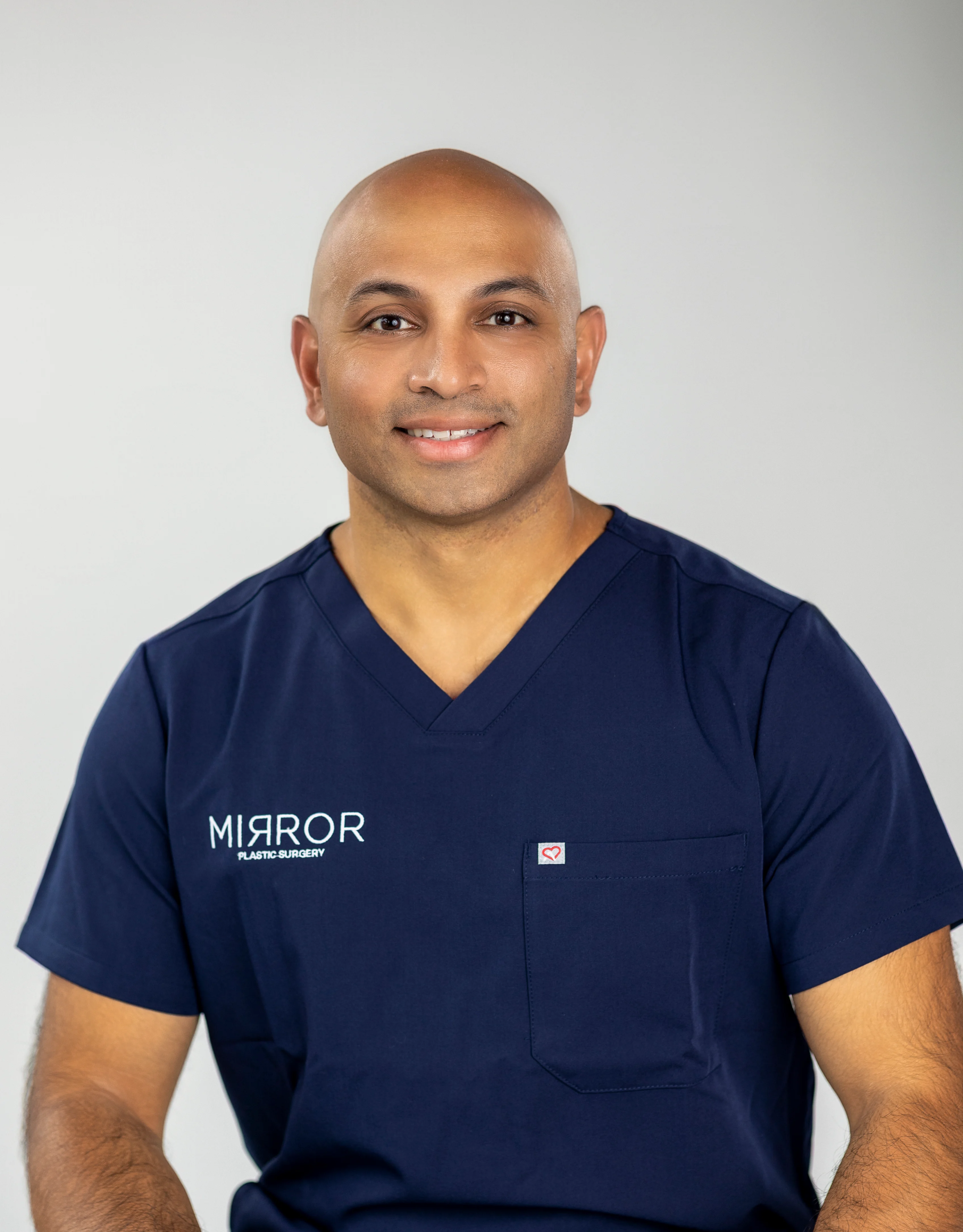
Mirror Plastic Surgery applies a concierge model to hormone evaluation, with consultations that can last up to an hour, detailed lab review, and 24/7 direct access to Dr. Chandawarkar. The practice offers personalized, medically supervised bioidentical hormone therapy, sources medications from reputable providers, and prioritizes FDA-approved options in line with current guidelines.
If you are considering bioidentical hormone testing, schedule a personalized hormone consultation with Ellie to receive evidence-based guidance tailored to your health needs.
Frequently Asked Questions
What Are The Negatives Of Bioidentical Hormones?
Bioidentical hormones share many of the same risks as other systemic hormone therapies. These include a modestly increased breast cancer risk, estimated at about 3 extra cases per 1,000 women over 5 years, and an increased endometrial cancer risk when estrogen is used without a progestogen in women with a uterus.1 Risk rises with higher systemic doses, longer duration of use, and certain delivery routes.1
Compounded bioidentical hormones add further concerns. Because they are not FDA-reviewed, dosing can vary from batch to batch, purity does not receive independent verification, and safety labeling is not standardized. The FDA-approved label changes that took effect in early 2026, which removed certain cardiovascular and dementia warnings from six approved menopausal hormone products, apply only to FDA-approved medications and do not extend to compounded preparations.
Will Insurance Pay For Bioidentical Hormone Testing?
Coverage depends on medical necessity and the type of test ordered. Insurers generally do not cover routine hormone testing to diagnose menopause in women over 45, because guidelines recommend clinical diagnosis in that age group. Blood testing ordered for a specific indication, such as suspected premature ovarian insufficiency or evaluation of amenorrhea, is more likely to receive coverage.
Saliva and urine hormone testing are almost never covered by commercial insurance, and Medicare does not cover compounded hormone therapy or saliva and urine hormone panels. A targeted serum panel ordered through a certified laboratory with an appropriate diagnosis code usually offers the best chance of reimbursement.
How Do I Get All My Hormone Levels Checked?
The most effective approach begins with a consultation so a qualified provider can decide which hormones matter for your symptoms and health history. A comprehensive evaluation often includes blood testing for estradiol, FSH, and thyroid markers at minimum. Clinicians may add tests such as testosterone, LH, DHEA-S, and progesterone when a clear clinical reason exists.
Major medical organizations do not recommend ordering broad hormone panels without a specific rationale, because untargeted results are difficult to interpret in a meaningful way. A well-designed panel focuses on your particular symptoms and risk factors instead of attempting to “check everything.”
What Kind Of Doctor Should I See To Check Hormone Levels?
Gynecologists and endocrinologists commonly evaluate hormone concerns. For women in perimenopause or menopause, a provider with focused expertise in menopause management offers particular value, especially when they follow current guidelines from ACOG, the Menopause Society, and the Endocrine Society.
Dr. Chandawarkar provides comprehensive hormone evaluation within Mirror Plastic Surgery’s concierge wellness practice, combining in-depth lab analysis with personalized treatment planning and ongoing support.
Are At-Home Hormone Tests Accurate?
At-home saliva and urine tests for reproductive hormones do not match the reliability of blood testing for diagnosis or treatment planning. Saliva testing for estradiol and progesterone shows high variability and lacks standardized reference ranges. Urine-based tests such as the DUTCH panel can offer metabolite information but have not undergone FDA premarket review and are not endorsed by major menopause societies for dose titration.
At-home finger-prick blood spot kits correlate reasonably well with venous draws for stable markers like TSH and total testosterone as a rough screen. They are less reliable for hormones that require tight reference ranges or precise timing. Most physicians treat at-home results as preliminary and confirm important findings with a standard venous blood draw before adjusting treatment.
Is Bioidentical Hormone Testing Covered By Medicare?
Medicare does not cover compounded hormone therapy and generally does not cover saliva or urine hormone testing. Blood testing may be covered when a clinician documents a specific medical indication, such as suspected premature ovarian insufficiency or concerning symptoms in a woman under 40.
Routine hormone testing to confirm menopause in women of typical menopausal age usually does not meet Medicare’s medical necessity criteria. Patients should verify coverage with their plan before proceeding with any testing.
Conclusion: Moving Forward With Hormone Care
Bioidentical hormone testing can play a useful role in select situations, yet it is not the first step for every woman with perimenopause or menopause symptoms. The most reliable method is serum blood testing analyzed in a certified laboratory. Saliva and urine panels are not validated for guiding hormone therapy dosing and are not recommended for that purpose by ACOG, the Endocrine Society, or the Menopause Society.
For most women over 45, clinicians diagnose menopause clinically, and meaningful success comes from symptom relief rather than a specific lab value. The most impactful step you can take is meeting with a qualified provider who listens carefully, decides whether testing is appropriate, and designs a treatment plan around your unique health profile.
Mirror Plastic Surgery offers this level of care through evidence-based, physician-led hormone evaluation and personalized follow-up. Arrange a hormone consultation with Ellie for a thorough, guideline-aligned evaluation.
This article is for educational purposes only and does not replace professional medical advice. Always consult a qualified healthcare provider before making decisions about hormone testing or treatment.
1 Results may vary from person to person. Editorial content, before and after images, and patient testimonials do not constitute a guarantee of specific results.
Peptide therapy is intended for wellness and optimization purposes and is not prescribed to diagnose, treat, cure, or prevent disease unless specifically stated. Many peptides are not FDA-approved and may be used off-label. Some have limited long-term safety data, with a potential for unknown risks, complications, or desensitization with prolonged use.