
Written by: Dr. Akash Chandawarkar, Board Certified Plastic Surgeon, Mirror Plastic Surgery | Last updated: September 9, 2026
Key Takeaways
- FDA-approved for chronic migraine prevention using the PREEMPT protocol: 155 units across 31 sites every 12 weeks.
- Benefits build over 2–3 treatment cycles, with many responders seeing 8–11 fewer headache days per month.1
- Candidates usually tried at least two preventive medications from different classes without enough relief.
- Side effects are usually mild and localized, while serious complications remain rare with an experienced specialist.
- To review your options in detail, schedule a migraine-focused consultation with Ellie at Mirror Plastic Surgery.
How Botox For Migraines Works In Your Body
Botox enters peripheral nerve endings and blocks the release of pain-signaling neuropeptides, including CGRP and substance P, from the trigeminal nerve. This action calms peripheral sensitization that can trigger migraine attacks. Botox does not cure migraine, yet it can steadily reduce how often and how intensely attacks occur over repeated cycles.1
The FDA-approved PREEMPT protocol uses 155 units across 31 injection sites in seven specific head and neck muscle areas, distributed as follows:
- Frontalis (forehead): 4 injections, 20 units
- Corrugator (between eyebrows): 2 injections, 10 units
- Procerus (bridge of nose): 1 injection, 5 units
- Occipitalis (back of head): 6 injections, 30 units
- Temporalis (temples): 8 injections, 40 units
- Trapezius (upper shoulders): 6 injections, 30 units
- Cervical paraspinal (back of neck): 4 injections, 20 units
Your specialist can add up to 40 extra units, for a maximum of 195 units, in the temporalis, occipitalis, or trapezius muscles based on where you feel the most pain. This approach is called “follow-the-pain” dosing and tailors treatment to your pattern.
The visit usually takes 15–20 minutes in the office, and you remain awake the entire time. Most people start to notice changes after 1–2 weeks, while full benefit often appears after 2–3 treatment cycles, or about 6 months.1 Plan to give the treatment several sessions before deciding how well it works for you.
Who Typically Qualifies For Botox For Migraines
Botox for chronic migraine is generally reserved for people who meet the chronic migraine threshold and who have tried at least two preventive treatments from different classes at effective doses. Your physician reviews your headache pattern, how long attacks last, how they affect your life, and which medications you have already tried.
Signs you might be a candidate:
- You experience headaches on 15 or more days each month
- You tried oral preventives such as beta-blockers, topiramate, or antidepressants without enough relief
- Your migraines interfere with work, family life, or daily activities
- You prefer a non-daily, non-systemic preventive option
Situations where Botox may not be appropriate:
- You have fewer than 15 headache days per month
- Your primary diagnosis is tension-type or cluster headache
- You are pregnant or breastfeeding
- You have a neuromuscular disorder such as myasthenia gravis or Lambert-Eaton syndrome
- You have an active infection at planned injection sites
What To Expect During And After Treatment
During the procedure: Your visit starts with a clinical assessment and marking of injection points. The skin is cleaned, and injections are placed with a sterile 30-gauge needle. Most people describe each injection as a quick pinch, and the full series takes about 15–20 minutes without anesthesia.
Immediately after: You can return to normal daily activities right away. Avoid rubbing or massaging the treated areas for 24 hours. Mild bruising or swelling can appear and usually settles within 5–7 days.
Timeline of results: By week 4, average headache days drop from about 19.9 to 16.8 per month. By week 12, they fall to 12.8 days, and by week 24, to 11.5 days, with about 47% of patients reaching at least a 50% reduction.1 Benefits last around 10–12 weeks, so repeat sessions keep the effect steady.1
Side effects, grouped by frequency:
- Common (more than 5% of patients): Neck pain or stiffness, injection-site pain, temporary headache flare in the first 24–48 hours, bruising
- Less common (1–5%): Eyelid drooping that resolves on its own, brief eyebrow asymmetry, local muscle weakness
- Rare but serious: Trouble swallowing or breathing, allergic reactions, and distant spread of toxin effects. Seek urgent care if these occur.
Most side effects stay mild, localized, and reversible. Large clinical and observational studies in more than 5,000 patients support a strong safety profile. A trained specialist who follows the approved protocol further lowers the risk of serious problems.
Cost And Insurance Coverage For Botox Migraine Treatment
Costs for Botox migraine treatment vary across the United States and depend on the number of units used and the provider’s fees. Treatment plans differ from person to person, so your specialist reviews your pattern and then provides a personalized estimate during consultation.
Insurance coverage: Many commercial plans cover Botox for chronic migraine when criteria are met, including a qualifying diagnosis and documented trials of at least two oral preventive medications from different classes, with prior authorization. Medicare Part B may also cover treatment when billed with an appropriate ICD-10 diagnosis code, with typical cost sharing after the Part B deductible.
AbbVie’s BOTOX Savings Program can lower out-of-pocket costs for eligible commercially insured patients, sometimes to as little as $0 per session, up to an annual maximum. Contact your insurer to confirm prior authorization steps and ask about manufacturer assistance programs.
Botox For Migraines Compared With Other Preventive Options
The preventive migraine landscape now includes Botox, CGRP-targeting therapies, and traditional oral medications. In 2024, the American Headache Society advised that CGRP-targeting therapies can be used as first-line preventive options without requiring failure of older drugs first. This shift gives patients and clinicians more flexibility to match treatment to individual needs.
| Treatment | How It’s Taken | Mean Reduction In Headache Days/Month | Key Considerations |
|---|---|---|---|
| Botox (onabotulinumtoxinA) | 31 injections in clinic every 12 weeks | 8.4 days (vs. 6.6 with placebo) at 24 weeks, up to about 11 days by cycle 5 | Clinic visits required; localized effect; no systemic side effects; over 15 years of safety data; FDA-approved for chronic migraine only |
| CGRP monoclonal antibodies (erenumab, fremanezumab, galcanezumab, eptinezumab) | Self-injection monthly or quarterly; eptinezumab given IV quarterly | Mean reduction of 7.8 days over 6 months vs. 3.8 days with topiramate in a real-world study | Approved for episodic and chronic migraine; self-administered; generally favorable side-effect profile; constipation with erenumab; long-term cardiovascular data still developing |
| Topiramate (oral preventive) | Daily oral tablet | About 6–7 fewer headache days per month | Treatment-emergent side effects in 79% of patients vs. 48% with Botox; 43.7% complete treatment vs. 85.7% with Botox |
The choice between Botox and CGRP inhibitors often depends on insurance coverage, previous treatment trials, comfort with self-injection, and personal response. Your physician weighs your headache pattern, medical history, and preferences when recommending a path. For refractory chronic migraine, combining Botox with a CGRP monoclonal antibody can further reduce monthly migraine days, as shown by Blumenfeld et al. (2021).
Practical Day-Of Questions And Helpful Tips
After your appointment, you can safely drive yourself home. The treatment does not cause sedation, so most people return to routine activities right away.
Many patients hear about the “4-hour rule.” Plan to stay upright for at least four hours after treatment and avoid bending deeply or rubbing the injection sites. This approach helps keep the medication where it was placed.
Some clinicians recommend skipping coffee for a few hours after injections. Caffeine can increase blood flow, which may theoretically influence how Botox settles in the treated muscles. Waiting a short period before drinking caffeinated beverages offers a simple precaution.
You can sleep normally the night of treatment. Try not to lie face-down or put strong pressure on the treated areas while you rest.
Additional practical tips:
- Avoid strenuous exercise for 24 hours after treatment
- Skip alcohol for 24 hours
- Postpone facials or facial massages for at least one week
- Use a light cold compress for swelling, without pressing directly on injection points
- Expect minor bruising to fade within 5–7 days
Why A Migraine-Focused Botox Specialist Matters
The injector’s skill strongly influences both safety and results. The PREEMPT protocol targets precise muscles in the head and neck, so your provider needs detailed anatomic knowledge to place each injection at the right depth and location. Staying within the PREEMPT protocol also keeps treatment aligned with FDA approval and typical insurance coverage.
At Mirror Plastic Surgery in St. Petersburg, Florida, Botox for migraines is performed by Dr. Akash Chandawarkar, a board-certified plastic surgeon educated at Harvard and trained at Johns Hopkins. He completed aesthetic fellowship training at the Manhattan Eye Ear & Throat Hospital/Lenox Hill Hospital and additional medical innovation training at Stanford University. His surgical background means every injection is placed by a physician with advanced head and neck anatomy expertise, which supports both precision and safety.
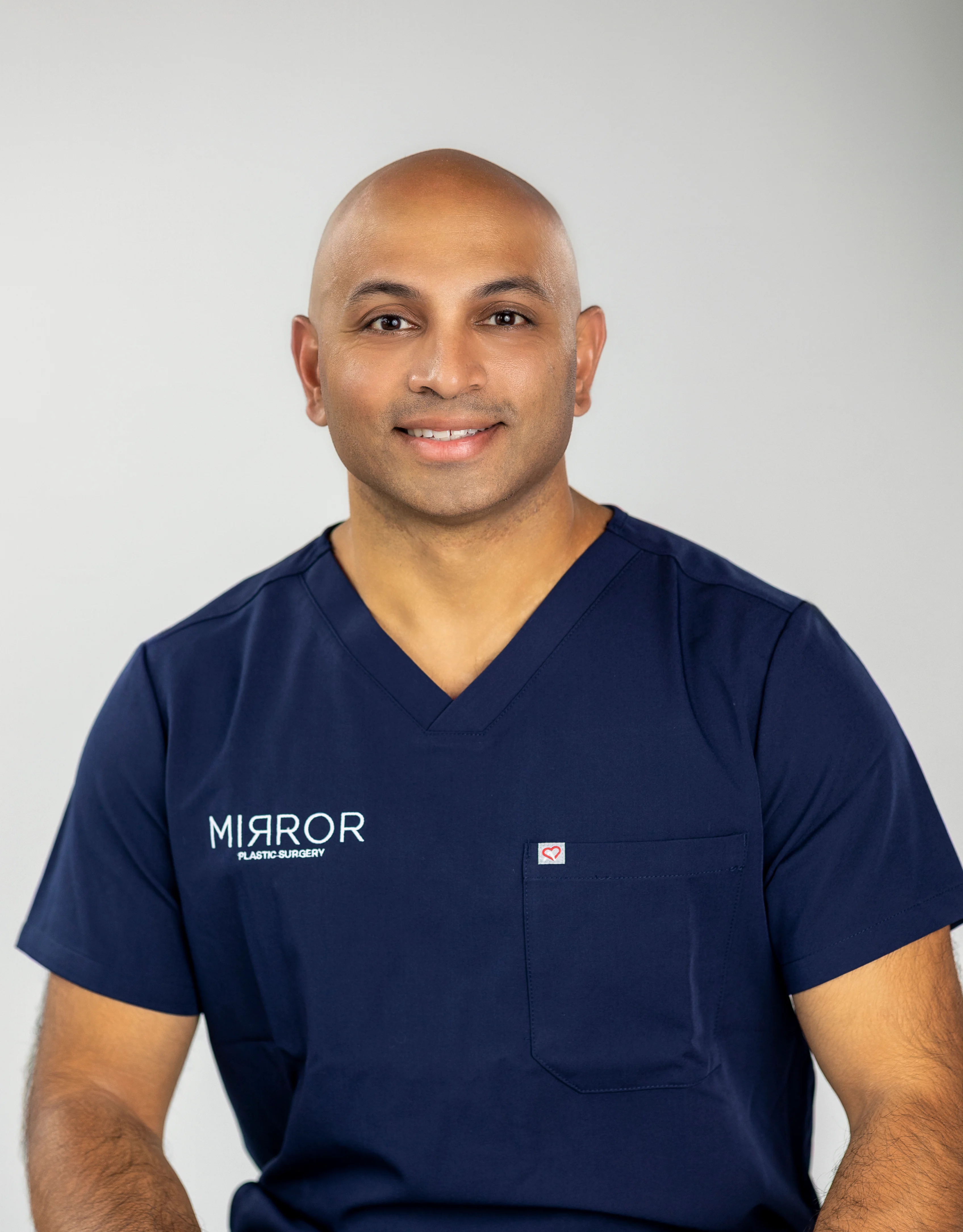
Mirror Plastic Surgery follows a concierge-style model. Initial consultations can last up to an hour so you can review your diagnosis, preventive options, and the commitment involved with chronic migraine care. This approach treats you as a partner in your care, with a physician who personally performs each treatment and prioritizes safety, function, and aesthetics in that order.
Frequently Asked Questions
What Is The Downside Of Botox For Migraines?
Botox requires repeat clinic visits every 12 weeks and several cycles before full benefit appears. The time commitment and potential cost, especially without coverage, can feel significant. Common side effects include neck discomfort, bruising, and temporary eyelid drooping. About half of patients reach at least a 50% reduction in headache days, which represents meaningful relief but not a cure.1 People who see little change after two or three full cycles are usually considered non-responders and may move to other options.
How Long Does Botox For Migraines Last?
Each treatment cycle typically lasts about 10–12 weeks. Headache frequency often rises again if injections stop after that window, which explains the 12-week schedule. With consistent treatment over time, many responders maintain reductions of roughly 10–11 headache days per month.1
Will Insurance Cover Botox For Migraines?
Many private insurers and Medicare Part B cover Botox for chronic migraine when specific criteria are met, including the chronic migraine threshold, documented trials of at least two preventive medications from different drug classes, and prior authorization. Prior authorization can take four to six weeks, so starting early helps. Some patients also qualify for AbbVie’s BOTOX Savings Program, which can lower out-of-pocket costs for eligible commercially insured patients. Check directly with your insurer for your plan’s rules.
Can I Get Botox For Migraines If I’m Pregnant?
Botox is generally avoided during pregnancy and breastfeeding because safety data remain limited, and some references list it as contraindicated. If you are planning a pregnancy or are currently pregnant, discuss timing and alternatives with your physician before starting or continuing treatment.
Can I Combine Botox With Other Migraine Treatments?
Many people continue acute medications such as triptans, gepants, or NSAIDs for breakthrough attacks while on Botox. For those with chronic migraine who get only partial relief from Botox alone, some specialists add a CGRP monoclonal antibody. Early data suggest this combination can provide extra benefit in carefully selected patients. Decisions about combination therapy should be made with a clinician experienced in headache medicine.
Conclusion: Taking The Next Step Toward Fewer Migraine Days
Botox offers an FDA-approved, well-studied preventive option for chronic migraine with more than 15 years of safety data. Treatment works best with a skilled provider, a regular 12-week schedule, and realistic expectations that benefits build over 2–3 cycles. For many people, this approach reduces headache days, reliance on acute medications, and migraine-related disability.
If chronic migraine continues despite oral preventives, meeting with a specialist can clarify whether Botox fits your plan. At Mirror Plastic Surgery, Dr. Akash Chandawarkar combines board-certified surgical training with a concierge model that allows time for detailed evaluation and individualized dosing.
Address: 780 4th Ave S, St. Petersburg, FL 33701
Phone: 727-361-6515
Email: [email protected]
Disclaimer: Results may vary from person to person. Editorial content, before and after images, and patient testimonials do not constitute a guarantee of specific results.
1 Results may vary from person to person. Editorial content, before and after images, and patient testimonials do not constitute a guarantee of specific results.