
Written by: Dr. Akash Chandawarkar, Board Certified Plastic Surgeon, Mirror Plastic Surgery | Last updated: September 9, 2026
Key Takeaways
- Bioidentical hormones match your body’s natural molecular structure and can relieve menopause symptoms when prescribed under medical supervision.1
- The safest path includes comprehensive lab testing, a qualified provider, and a personalized prescription using FDA-approved or compounded options.
- Recent FDA label changes in February 2026 removed certain boxed warnings, creating a timely opportunity for eligible women to consider treatment.
- Provider selection is critical, so choose a board-certified specialist who offers thorough consultations, appropriate testing, and ongoing monitoring.
Your Roadmap To Bioidentical Hormones
Many women in perimenopause or menopause experience hot flashes, disrupted sleep, brain fog, mood shifts, or declining libido and then encounter conflicting information online about bioidentical hormones. Telehealth startups, compounding pharmacies, and wellness influencers all promote their own “safest” and “most natural” options. Sorting through that noise without expert guidance feels overwhelming, and your health deserves more than guesswork.
This guide outlines a doctor-led, step-by-step roadmap for obtaining bioidentical hormones safely in 2026. The safest approach always includes medical supervision, comprehensive testing, and a personalized prescription, which is the model Mirror Plastic Surgery follows. One timely update shapes this landscape: on February 12, 2026, the FDA approved label changes removing boxed warnings from several menopausal hormone therapy products, reflecting updated science and opening the door for more women to explore treatment with their physicians.
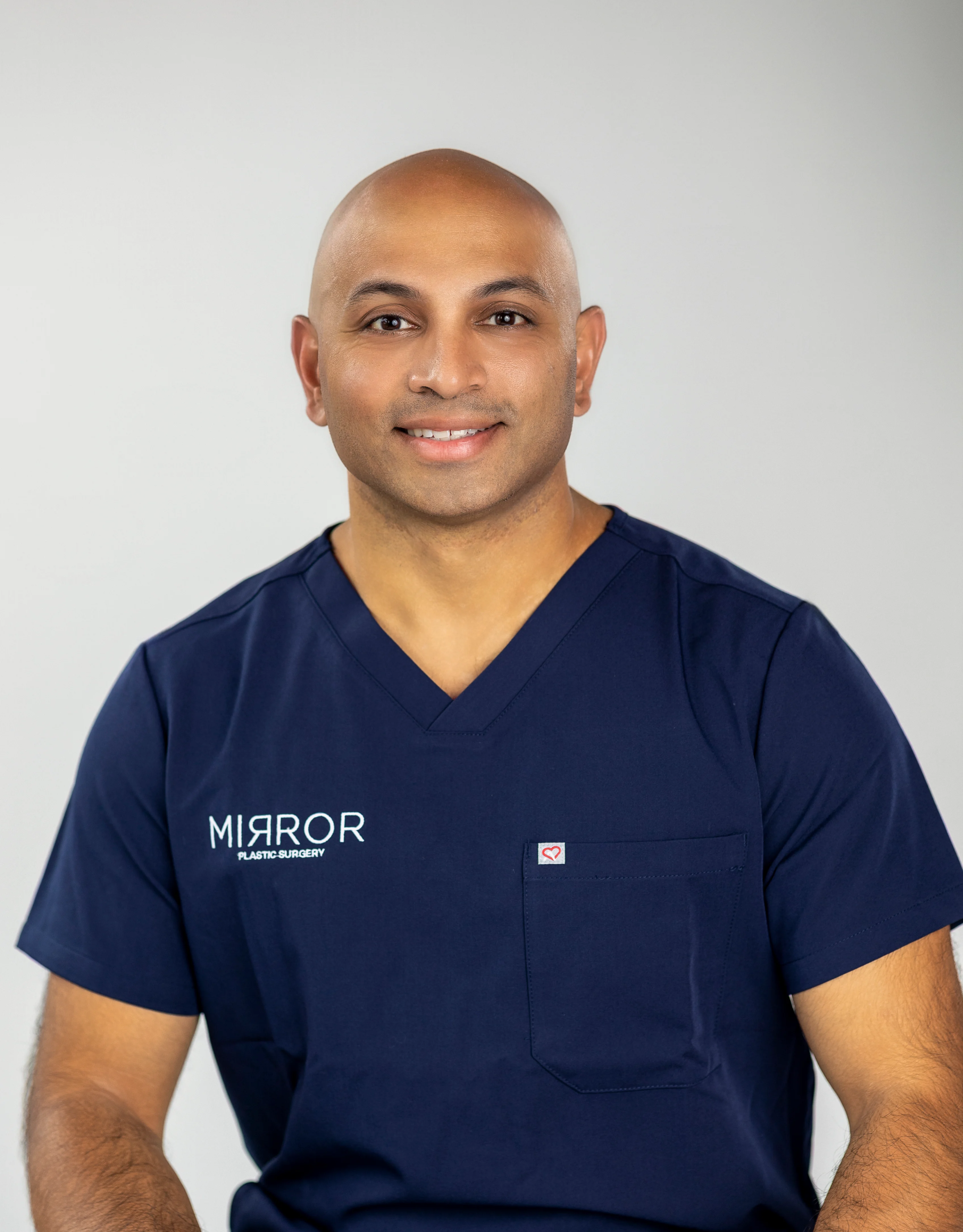
Meet Your Guide: Dr. Akash Chandawarkar Of Mirror Plastic Surgery
Dr. Akash Chandawarkar, MD, is the founder and lead physician of Mirror Plastic Surgery in St. Petersburg, Florida. He graduated with Honors from Harvard Medical School through the Harvard-MIT Division of Health Sciences and Technology and completed a seven-year integrated plastic and reconstructive surgery residency at Johns Hopkins University. He then completed fellowship training in aesthetic surgery at Manhattan Eye Ear & Throat Hospital and the Stanford University Biodesign Innovation Fellowship, which trains physician-innovators to develop evidence-based clinical solutions. Dr. Akash applies this same rigorous, personalized approach to hormone and peptide therapies, combining deep physiological knowledge with a commitment to spending up to an hour with each patient.
Book an appointment with Ellie to begin your personalized hormone consultation with Dr. Akash Chandawarkar.
Step 1: Find The Right Provider For Your Hormone Journey
Choosing the right provider is the most important decision in your bioidentical hormone journey. Gynecologists, endocrinologists, and specialized wellness practices like Mirror Plastic Surgery can all prescribe bioidentical hormones, yet the quality of care varies widely. An excellent provider conducts a comprehensive evaluation, orders appropriate lab work, and designs a protocol tailored to your health history and goals.
Mirror Plastic Surgery is a concierge practice where Dr. Akash spends up to an hour in the initial consultation, reviewing your complete health picture before writing any prescription. That level of attention is rare and clinically meaningful. Before committing to any provider, ask:
- Are you board-certified, and what is your specific training in hormone therapy?
- What lab testing do you recommend before prescribing?
- Do you offer both FDA-approved and compounded bioidentical options?
- How do you determine the right dose and delivery method for my needs?
- What does your follow-up and monitoring protocol include?
Step 2: Compare FDA-Approved And Compounded Hormone Options
FDA-approved bioidentical hormones have undergone rigorous clinical trials for safety, effectiveness, and manufacturing consistency. FDA-approved options include estradiol patches, gels, sprays, and oral micronized progesterone capsules. Bijuva, a single daily capsule combining bioidentical estradiol and progesterone, is the only FDA-approved bioidentical combination product of its kind.
ACOG’s November 2023 Clinical Consensus states that compounded bioidentical menopausal hormone therapy “should not be prescribed routinely when FDA-approved formulations exist.” The 2020 National Academies of Sciences, Engineering, and Medicine report found no high-quality evidence supporting routine compounded bioidentical hormone therapy over FDA-approved alternatives and raised concerns about dosing accuracy and limited safety data.
| Factor | FDA-Approved Bioidentical | Compounded Bioidentical |
|---|---|---|
| Regulatory Oversight | FDA-reviewed for safety, efficacy, and manufacturing consistency | Not FDA-reviewed as finished drugs, with 503A pharmacies overseen by state boards and 503B facilities inspected by the FDA |
| Quality Control | Batch-tested under Good Manufacturing Practice standards | Independent analyses show potency variability from 67.5% to 150.2% of the labeled dose |
| Insurance Coverage | Typically covered by commercial insurance and Medicare Part D | Usually not covered and often cash-pay only |
| Customization | Standardized doses and delivery forms across multiple formulations | Custom-mixed doses, creams, troches, and pellets available |
Compounded hormones still play a role in specific situations. They may be appropriate for documented allergies to ingredients in FDA-approved products, for doses or delivery forms not commercially available, or for testosterone in women, since no FDA-approved product exists in the United States. Dr. Akash reviews both categories and recommends the safest, most evidence-based option based on your labs and health history.
Once you understand your options, the next step is obtaining a prescription. Your consultation sets that process in motion.
Step 3: Get A Prescription And Know What To Expect
A thorough consultation forms the foundation of a safe bioidentical hormone prescription. A comprehensive evaluation covers menstrual, obstetric, and gynecologic history, thyroid disease, sleep, mood, sexual function, cardiovascular history, breast cancer risk factors, and bone health. At Mirror Plastic Surgery, Dr. Akash conducts a 30–60 minute consultation and reviews labs before designing any protocol.
The prescription journey usually follows this sequence:
- Schedule a comprehensive consultation with a qualified provider.
- Complete baseline lab work, including hormone panels, thyroid tests, and metabolic markers as indicated.
- Review your results with your doctor.
- Receive a personalized prescription using FDA-approved or compounded options based on your needs.
- Fill your prescription and start treatment with clear instructions.
- Schedule regular follow-up visits to monitor progress and adjust dosing.
Ongoing medical supervision throughout this process protects your safety and improves outcomes. Mirror Plastic Surgery also offers remote care across the United States, extending concierge-level support beyond Florida.
Book an appointment with Ellie and take the first step toward a personalized hormone protocol with Dr. Akash.
Step 4: Navigate Cost And Insurance Confidently
Cost affects many women’s decisions, so understanding typical pricing helps you plan. Generic estradiol patches often cost $30–$80 per month in cash and $5–$25 with insurance, while oral micronized progesterone usually costs $20–$40 in cash and $5–$15 with insurance. Compounded estradiol and progesterone creams typically cost $40–$120 per month and are usually not covered. Pellet implants generally cost about $300–$600 per insertion every 3–6 months and are not covered by insurance.
Several practical steps can help manage these costs:
- Start by checking your insurance formulary to see which FDA-approved bioidentical hormones are covered.
- If your doctor prescribes a brand-name product, ask whether your plan requires prior authorization.
- To reduce monthly expenses, use in-network pharmacies and consider 90-day mail-order fills.
- Use HSA or FSA funds for out-of-pocket expenses, which can create an effective 22%–37% discount based on your tax bracket.
- Request clear, upfront pricing during your consultation so you can budget accurately.
Mirror Plastic Surgery discusses pricing transparently during your visit, and every quote reflects your specific protocol and needs.
Step 5: Prioritize Safety, Risks, And Contraindications
Safety remains central to any hormone plan because real risks exist, including blood clots, certain cancers, and adverse reactions. The February 2026 FDA label changes provide updated context for these risks. The FDA removed boxed warnings about heart disease, breast cancer, and probable dementia from Prometrium, Divigel, Estring, and Bijuva and added guidance to consider hormone therapy for moderate-to-severe menopausal symptoms in women under 60 or within 10 years of menopause. The endometrial cancer warning still applies to systemic estrogen-only products for women with a uterus.
The following groups require specialist evaluation before using bioidentical hormones:
- Personal history of hormone-sensitive breast cancer
- Unexplained vaginal bleeding that has not been evaluated
- Active or recent blood clots or clotting disorders
- Active liver disease
- Recent stroke or heart attack
A qualified provider screens for these contraindications before prescribing any hormone therapy. Mirror Plastic Surgery sources hormones from reputable providers with batch testing to support consistent quality and accurate dosing throughout your treatment.
Book an appointment with Ellie at Mirror Plastic Surgery to receive a thorough safety evaluation before starting any hormone protocol.
Your Path To Bioidentical Hormones Starts Here
Safe access to bioidentical hormones in 2026 follows five clear steps: choose a qualified, board-certified provider, understand your FDA-approved and compounded options, complete proper testing and receive a personalized prescription, navigate costs and insurance thoughtfully, and prioritize safety through ongoing medical supervision. When managed carefully, bioidentical hormone therapy can significantly relieve menopause symptoms and support long-term health, and your experience depends heavily on the quality of your provider.1
Mirror Plastic Surgery, led by Dr. Akash Chandawarkar, delivers the concierge-level, evidence-based care this process requires. From a detailed initial consultation to regular monitoring and direct physician access, every part of your protocol reflects your unique labs, health history, and goals. Remote service delivery is available across the United States, so women beyond the Tampa Bay area can receive the same high-touch care.
Book an appointment with Ellie at Mirror Plastic Surgery today to begin your personalized journey with Dr. Akash Chandawarkar.
This article is for educational purposes and does not replace medical advice. Consult a qualified healthcare provider to determine if bioidentical hormones are right for you.
1 Results may vary from person to person. Editorial content, before and after images, and patient testimonials do not constitute a guarantee of specific results.
Peptide therapy is intended for wellness and optimization purposes and is not prescribed to diagnose, treat, cure, or prevent disease unless specifically stated. Many peptides are not FDA-approved and may be used off-label. Some have limited long-term safety data, with a potential for unknown risks, complications, or desensitization with prolonged use.