
Written by: Dr. Akash Chandawarkar, Board Certified Plastic Surgeon, Mirror Plastic Surgery | Last updated: September 9, 2026
Key Takeaways
- Personalized peptide therapy uses physician-supervised, lab-driven protocols to target inflammation, weight management, collagen production, and cellular energy with tailored dosing.
- Safety depends on board-certified physician oversight, baseline lab testing, sourcing from licensed 503A/503B pharmacies, individualized protocols, and structured follow-up monitoring.
- Costs vary widely. First-month all-in pricing is typically 1.5–2 times recurring monthly fees, with compounded peptides ranging from $150–$800+ per month depending on the stack.
- Among Tampa-area providers, Mirror Plastic Surgery stands out for Dr. Akash Chandawarkar’s elite credentials, concierge model, 24/7 direct physician access, and integration with surgical recovery protocols.
- Ready to explore a personalized peptide protocol built around your labs and goals? Schedule Your Peptide Consultation at Mirror Plastic Surgery today.
How Personalized Peptide Therapy Works
Peptides function as biological signaling molecules that instruct cells to perform specific tasks. For example, BPC-157 targets tissue repair and systemic inflammation, GHK-Cu drives collagen and elastin synthesis, and NAD+ supports mitochondrial energy production. Each compound acts through distinct cellular pathways. Stacking and sequencing therefore matter as much as the individual peptides themselves.
Personalized therapy differs from generic peptide use in one key way: it requires baseline lab panels before any protocol begins. These panels cover thyroid, liver, kidney, hormone, and metabolic markers. Bloodwork is the single best indicator of evidence-based peptide therapy, and responsible clinics require it before prescribing. Tailored peptide stacks and ongoing medical supervision follow from those results.
Most peptides are not FDA-approved. Physician-supervised protocols using compounds sourced from licensed 503A or 503B compounding pharmacies carry a meaningfully different safety profile than unregulated online purchases. The regulatory landscape is complex and the market is crowded, so patients benefit from understanding what separates a legitimate clinic from a risky provider.
Start Your Personalized Peptide Plan with a consultation focused on your labs and health goals.
Seven Safety Essentials When Choosing a Peptide Clinic
This seven-point checklist helps you evaluate any peptide provider in the Tampa Bay area. A clinic that meets all seven criteria operates at the current standard of care. Any gap in these areas calls for extra caution.
- Board-Certified Physician Oversight: Protocols should be designed and monitored by a board-certified physician, not delegated to non-clinical staff. Verify credentials through the Florida Department of Health’s license lookup. Licensed clinician oversight is one of four pillars of safe peptide therapy, alongside verified pharmacy sourcing, baseline labs, and structured monitoring.
- Comprehensive Baseline Lab Testing: Legitimate clinics require blood panels before prescribing. These panels include thyroid, liver, kidney, metabolic, and hormone markers. Any clinic that prescribes peptides without requiring baseline bloodwork is operating below the standard of care.
- Quality Pharmacy Sourcing: Ask whether peptides come from a licensed 503A compounding pharmacy or 503B outsourcing facility. Request a Certificate of Analysis (COA) showing purity above 98%, endotoxin testing, and sterility verification. Pharmacy source and COA availability are the two criteria that actually predict safety.
- Individualized Protocols: Cookie-cutter protocols where every patient receives the same peptides at the same doses are a warning sign. True personalization requires tailoring to your labs, goals, and health history.
- Structured Follow-Up Monitoring: Responsible providers schedule follow-up labs at 8–12 weeks and adjust protocols based on objective response data. Peptide therapy monitoring occurs repeatedly and depends on the specific protocol.
- Transparent Communication: Your provider should clearly explain what peptides can and cannot do, including evidence limitations and realistic timelines. Presenting preclinical animal data as established human evidence indicates the provider is either uninformed or dishonest. Promises of guaranteed results signal a red flag.
- Ongoing Provider Access: You should have direct access to your physician for questions, concerns, and protocol adjustments, rather than an anonymous call center. Provider continuity is critical. The clinician who designed the protocol should be the one adjusting it.
Peptide Therapy Pricing in Tampa
Most patients receive a personalized quote during consultation based on their goals, health history, and lab needs. The first-month all-in cost for peptide therapy, covering consultation, labs, and initial prescription, is typically 1.5 to 2 times the recurring monthly cost because setup, labs, and protocol initiation are front-loaded.
Compounded injectable BPC-157 typically costs between $150 and $300 per month on an ongoing basis, with first-month pricing higher due to initial consultation, baseline lab work, supplies, and dispensing fees. Multi-peptide stacks, such as BPC-157 combined with TB-500, can reach $300–$800 or more monthly. For a compounded semaglutide program, the ongoing monthly cost averages around $550, with the first month running approximately $900 when consultation and labs are included.
In-clinic physician office programs typically carry initial costs of $200–$500 for consultation and labs, with ongoing monthly costs of $250–$600 that include in-person visits, labs, peptides, and staff-administered injections. Prices for the same peptide can vary 50–100% between compounding pharmacies, so pharmacy verification matters as much as price comparison.
Peptide therapy is almost never covered by insurance. Many peptide therapy expenses, including consultation fees, prescription peptides, lab work, and injection supplies, are often eligible for HSA/FSA reimbursement with a Letter of Medical Necessity. Personalized, supervised care costs more than online peptide retailers. It delivers quality assurance, appropriate dosing, and medical oversight that protect your health and investment.
Comparing Personalized Peptide Clinics Around Tampa Bay
The Tampa Bay area has seen rapid growth in peptide therapy providers. The most meaningful differences involve physician credentials, lab requirements, pharmacy sourcing transparency, and the depth of ongoing care. These models illustrate how approaches can vary.
Mirror Plastic Surgery — St. Petersburg (Gold Standard)
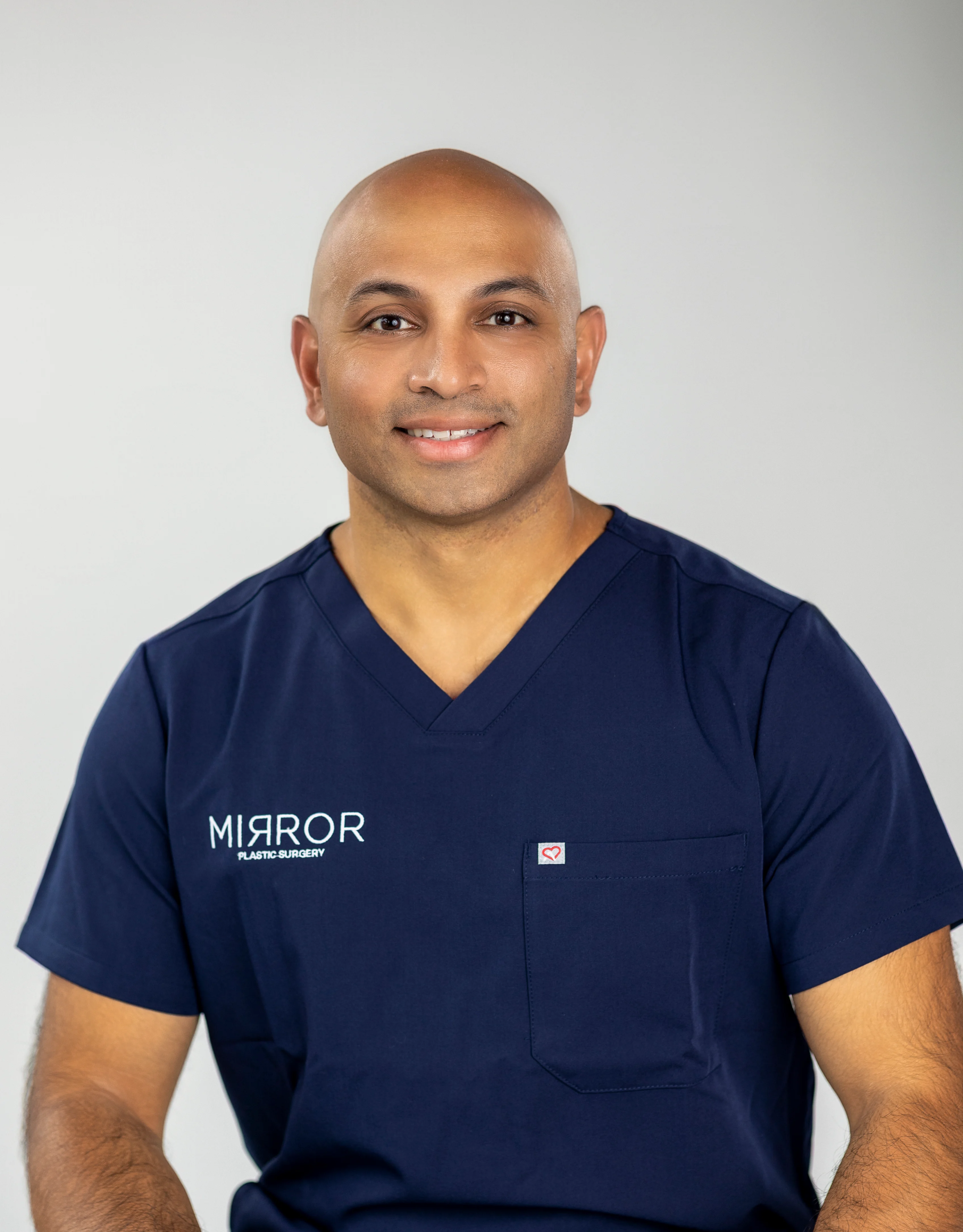
Mirror Plastic Surgery is led by Dr. Akash Chandawarkar, a Harvard-educated, Johns Hopkins-trained, board-certified plastic surgeon with fellowship training in aesthetic surgery at the Manhattan Eye Ear & Throat Hospital and medical innovation training at Stanford University’s Biodesign Fellowship. Every peptide protocol is designed by Dr. Akash himself, not delegated to non-clinical staff, and built around each patient’s comprehensive lab results and individual physiology. The practice follows a concierge medicine model. Consultations run up to an hour, and patients have 24/7 direct access to Dr. Akash via text for questions, refills, and protocol adjustments.
Peptide offerings include the Glow Stack (GHK-Cu, BPC-157, TB-500), GLP-3R for weight management, NAD+ for cellular energy, KPV for gut inflammation, Selank for anxiety, Kisspeptin for fertility support, and additional options, all sourced from reputable providers with rigorous batch testing. Mirror also integrates peptide therapy with its full surgical and non-surgical practice. This integration positions the clinic to support post-operative recovery protocols in a coordinated way.
A Local Functional Medicine Center — South Tampa
This model focuses on root-cause diagnostics and customized peptide protocols for performance and recovery. It requires baseline blood panels before prescribing and offers subcutaneous, oral, or topical administration options.
A Wellness Med Spa — Hyde Park
This type of med spa provides compounded peptide therapies for energy restoration, anti-aging, and hormone balance. Physician oversight is available but may vary by location and provider availability. Patients should pay close attention to this variation when evaluating continuity of care.
A Physician-Led Regenerative Clinic — Westshore District
This type of clinic sources from regulated compounding pharmacies with batch-testing standards and offers lab-monitored protocols across several peptide compounds. Transparency on pharmacy sourcing and prescriber credentials remains a key evaluation point for patients comparing options.
A Telehealth-Forward Wellness Practice — Wesley Chapel
This model specializes in targeted stacks for gut health and growth-hormone support. It requires baseline labs and offers virtual follow-up monitoring. The model works well when the prescriber is named, licensed in Florida, and the pharmacy sourcing is verifiable.
Mirror Plastic Surgery distinguishes itself through the depth of its medical leadership and its concierge model. Dr. Chandawarkar’s surgical training provides a detailed understanding of anatomy, inflammation, and tissue recovery. The combination of elite academic credentials, comprehensive lab-driven personalization, and 24/7 direct physician access sets a high bar for care in the Tampa market.
Experience Concierge Peptide Care with Mirror Plastic Surgery.
Safety and Regulation for Peptides in 2026
Peptides currently sit in a complex and rapidly shifting regulatory environment. In late 2023, the FDA placed nineteen peptide bulk drug substances into Category 2 of the interim 503A bulks list, the tier for substances the agency believed raised significant safety risks, which closed the legitimate pharmacy supply for BPC-157, TB-500, CJC-1295, and others. In April 2026, the FDA removed twelve peptides from Category 2, including BPC-157, TB-500, and KPV, after nominating parties withdrew their nominations, but removal does not equal authorization to compound.
The FDA’s Pharmacy Compounding Advisory Committee met on July 23 and 24, 2026, to consider seven of the twelve removed peptides for the 503A bulks list, but a committee recommendation does not create a rule, and formal rulemaking must follow. Patients benefit from working with providers who stay current on these developments and can document why each compounded substance is permissible under current rules.
The dangers of buying peptides outside supervised clinical channels are well documented. Independent testing of gray-market and some compounded peptides has found up to roughly 40% with incorrect dosages or undeclared ingredients, and one Texas lab estimated approximately 8% contaminated. Injectable peptides carry immune-reaction risk up to anaphylaxis.
503A pharmacies fill individual patient prescriptions and are regulated by the Florida Board of Pharmacy, while 503B outsourcing facilities operate under direct FDA oversight with cGMP compliance. Both must meet USP <797> sterility standards for injectables. A legitimate COA for a therapeutic-grade compounded peptide should show identity confirmation by HPLC or mass spectrometry, purity above 98%, endotoxin levels below USP limits, and microbial testing results. The testing laboratory must be independent of the manufacturer.
Medical supervision plays a central role in safe peptide use. Physicians screen for contraindications, including active malignancy, pregnancy, and certain endocrine conditions, monitor for side effects, and adjust protocols based on lab response. Skipping evaluation or follow-up documentation is the most common compliance failure in peptide therapy.
Matching Peptide Therapy to Your Health Goals
The most effective peptide protocol aligns with your specific health objectives, baseline labs, and physiology. The evidence below shows how different compounds tend to map to common goals and helps frame a focused conversation with your physician.
- Anti-Aging and Skin Health: GHK-Cu is considered the gold standard of anti-aging peptides, promoting collagen I and III synthesis, stimulating angiogenesis, and acting as an antioxidant, with human clinical data for collagen and skin repair endpoints.1 Mirror’s Glow Stack combines GHK-Cu with BPC-157 and TB-500 for systemic and cosmetic benefit.1
- Inflammation and Autoimmune Conditions: Patients with these goals should seek providers who emphasize lab testing and peptides like BPC-157, TB-500, and KPV for gut and systemic inflammation. Animal studies show BPC-157 accelerates healing in tendons, ligaments, muscle, and gastrointestinal tissue, with human pilot studies showing promising results in chronic pain and refractory conditions.1
- Weight Management and Metabolic Health: GLP-1 agonists have the strongest human evidence base. In the STEP study, semaglutide 2.4 mg weekly was associated with a mean weight loss of approximately 15% at 68 weeks, and in the SELECT study it reduced major cardiovascular events by approximately 20% over five years in obese non-diabetic patients.1 Mirror offers GLP-3R, a newer-generation formulation reported to have fewer gastrointestinal side effects and broader metabolic indications.
- Energy and Vitality: NAD+ therapy targets mitochondrial function for cellular energy production. NAD+ augmentation shows clear biological activity, though clinical effectiveness for anti-aging or wellness outcomes remains an active area of research.1
- Recovery and Performance: BPC-157 and TB-500 are widely used for tissue repair. These peptides have strong cell and animal data but thin human clinical evidence, so physician oversight and honest expectation-setting remain essential.
- Anxiety and Neurological Health: Selank acts on similar brain pathways as benzodiazepines without the addictive component and has been explored for anxiety and depression management as a nootropic alternative.
Results vary significantly by individual. Genetics, diet, lifestyle, and protocol adherence all influence outcomes.1 Personalized, physician-supervised care helps account for these variables over time.
Frequently Asked Questions
Are Peptides FDA-Approved?
Most peptides used in wellness and biohacking protocols are not FDA-approved. Exceptions include semaglutide (Ozempic/Wegovy), tirzepatide (Mounjaro/Zepbound), and bremelanotide (Vyleesi). Compounded peptides have not undergone the same safety and efficacy review as approved drugs. This regulatory reality makes physician supervision and quality sourcing especially important. At Mirror Plastic Surgery, every protocol is built on a documented patient-provider relationship, sourced from reputable compounding providers with batch testing, and medically supervised throughout.
What Are the Risks of Using Peptides Without Supervision?
The primary risks include unknown product quality, incorrect dosing, contamination, and unmonitored side effects. As noted earlier, a significant share of gray-market peptides fail quality testing. Medical supervision ensures appropriate screening for contraindications, including active cancer, pregnancy, and certain endocrine conditions, along with appropriate dosing and ongoing monitoring. Without a physician reviewing your labs and health history, there is no reliable way to know whether a given peptide is appropriate for you or whether your protocol is working safely.
What Conditions Can Peptide Therapy Address Beyond Weight Loss?
Peptides can address a wide range of health concerns beyond weight management. These include inflammatory and autoimmune conditions such as psoriasis and rheumatoid arthritis, post-surgical and injury recovery through reduced inflammation and accelerated tissue repair, and neurological health, including anxiety and depression management as a complement or alternative to pharmaceutical SSRIs and benzodiazepines. Additional applications include energy and anti-aging through mitochondrial support and collagen production, sexual wellness and libido, and fertility support. Mirror Plastic Surgery’s peptide menu spans all of these categories, with protocols tailored to each patient’s specific lab results and goals.
What Happens If I Stop Taking Peptides?
Effects typically diminish after discontinuation, similar to stopping any health regimen.1 If systemic inflammation was being managed by a peptide protocol, it will likely return to its prior state once the protocol ends. Collagen and skin benefits from GHK-Cu fade without maintenance.1 Many patients benefit from a maintenance protocol to sustain gains achieved during an active treatment phase. Dr. Akash Chandawarkar discusses this during consultation so patients understand the expected commitment before they begin.
How Long Does It Take to See Results from Peptide Therapy?
Timelines vary by peptide, condition, and individual physiology. Some patients report initial improvements within the first week, particularly for inflammation or energy.1 Follow-up labs at eight to twelve weeks provide objective response data that goes beyond subjective self-reporting. Mirror Plastic Surgery structures its protocols around these monitoring intervals and adjusts dosing and peptide selection based on what the data shows rather than patient perception alone.
Choosing Mirror Plastic Surgery for Personalized Peptide Care
Personalized peptide biohacking can support inflammation management, weight loss, anti-aging, and recovery when delivered within a medically supervised framework. Safety and results depend on physician oversight, comprehensive lab testing, and pharmaceutical-grade sourcing. The Tampa Bay market has grown rapidly, and not every provider meets the standard of care that protects both your health and your investment.
Mirror Plastic Surgery exemplifies these qualities through Dr. Chandawarkar’s elite academic credentials, a concierge care model that dedicates up to an hour to each consultation, 24/7 direct physician access, and a commitment to personalized protocols built around your individual labs and physiology. From inflammation and autoimmune conditions to weight management and anti-aging, Mirror Plastic Surgery offers advanced peptide therapies that address a wide range of health and wellness concerns. Schedule a consultation to explore how tailored peptide protocols can help you move toward your goals.
Request Your Personalized Peptide Evaluation and take the first step toward a protocol built specifically for you.
Disclaimer: Peptide therapies are not FDA-regulated. Results vary by individual. Always consult with a qualified healthcare provider before starting any peptide therapy.
1 Results may vary from person to person. Editorial content, before and after images, and patient testimonials do not constitute a guarantee of specific results.
Peptide therapy is intended for wellness and optimization purposes and is not prescribed to diagnose, treat, cure, or prevent disease unless specifically stated. Many peptides are not FDA-approved and may be used off-label. Some have limited long-term safety data, with a potential for unknown risks, complications, or desensitization with prolonged use.