
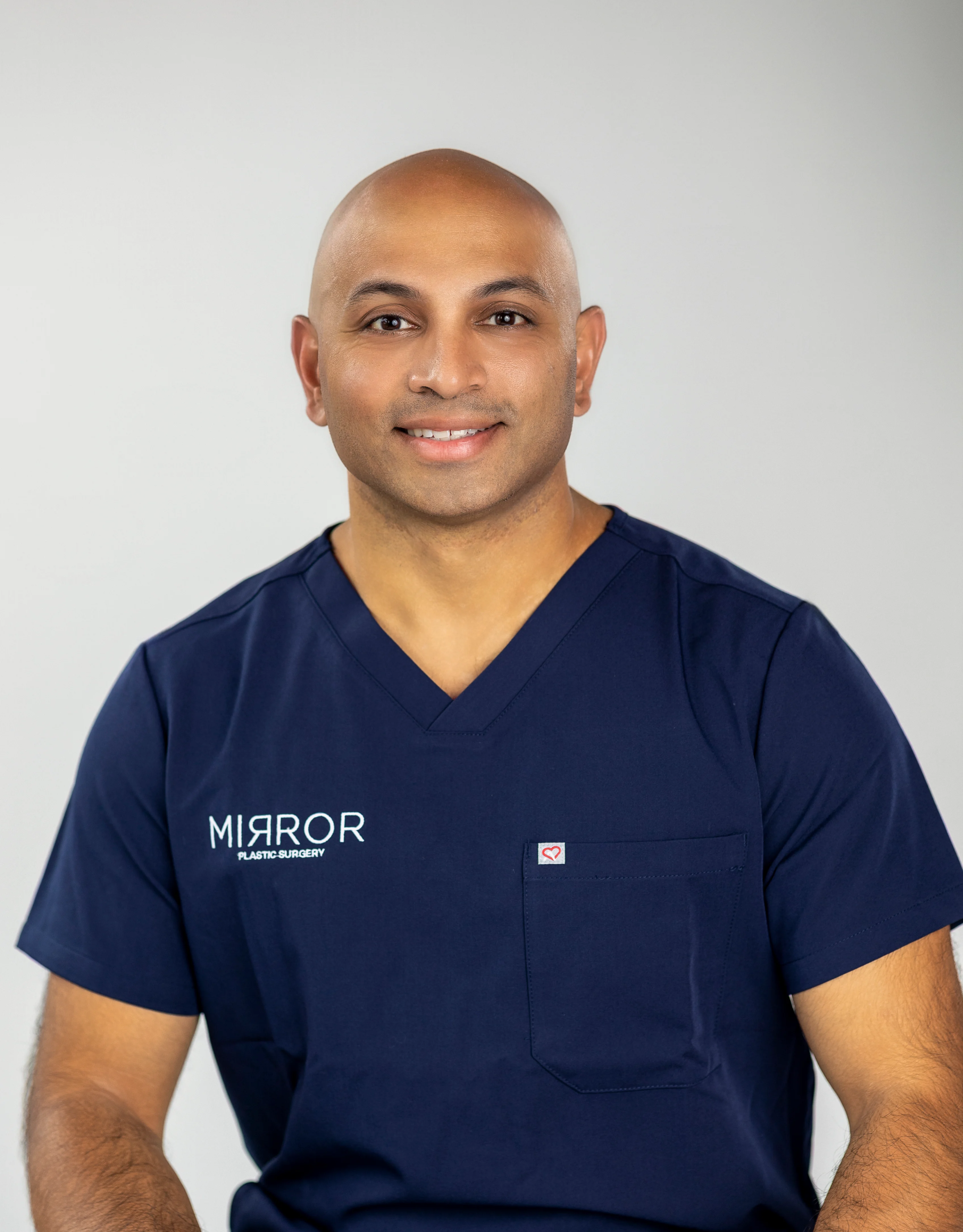
Written by: Dr. Akash Chandawarkar, Board Certified Plastic Surgeon, Mirror Plastic Surgery | Last updated: September 9, 2026
Key Takeaways
- Personalized peptide therapy protocols are custom-designed using lab results, medical history, and individual wellness goals.
- Peptides function as biological signaling molecules that target inflammation, metabolic dysfunction, aging, and tissue repair through physician-supervised protocols.
- Effective peptide therapy uses comprehensive lab testing, ongoing monitoring, and protocol adjustments based on biomarkers rather than symptoms alone.
- Medical supervision and quality sourcing from licensed compounding pharmacies help reduce risks associated with unregulated peptide products.
The Promise Of Personalized Peptide Therapy
Interest in peptide therapy has grown rapidly, especially for metabolic health, skin rejuvenation, inflammation management, and longevity. Peptides are short chains of amino acids that act as biological signals, telling cells when to produce collagen, modulate immune activity, or stimulate growth hormone release.
Personalized protocols work better than generic plans because each person’s physiology, history, and goals differ. A protocol for systemic inflammation looks very different from one focused on anti-aging or weight management. This guide explains how personalized peptide therapy is built from consultation through monitoring and why physician supervision separates safe, effective care from the risks of the unregulated online market.
What Peptides Are And How They Work
Peptides are short amino acid chains, usually 2–50 residues long, that act as messengers in the body. They differ from proteins mainly in size and complexity, and from many drugs in how they work. Peptides support existing signaling pathways instead of overriding them.
Peptide therapies appear in metabolic disease, obesity, sports medicine, aesthetics, and longevity care, targeting inflammation, tissue repair, hormone production, collagen synthesis, and cellular energy. More than 80 peptide drugs have FDA approval, with broader counts nearing 100 when older and combination products are included, generating roughly $50 billion in annual revenue when GLP-1 and insulin products are excluded. The wellness-focused, compounded protocols discussed here sit in a different regulatory category than FDA-approved peptide drugs.
The Science Behind Personalized Peptide Protocols
Personalized peptide therapy starts with a detailed look at an individual’s biochemistry. A physician begins with a comprehensive consultation and lab panels covering thyroid, liver, kidney, diabetes markers, and hormones to uncover drivers of issues such as chronic inflammation, weight gain, or fatigue.
Lab findings guide both peptide selection and dosing. A patient with elevated inflammatory markers receives a different protocol than someone with low IGF-1 and visible collagen loss. Protocols should adjust based on biomarkers with defined retesting intervals. For example, growth hormone secretagogues often require IGF-1 checks at 4–6 weeks, then every 12 weeks. Many patients receive carefully designed “stacks” that address several imbalances at once.
Common Peptides And Their Wellness Applications
The table below highlights commonly used peptides in physician-supervised wellness protocols and shows how their evidence and regulatory status differ.
| Peptide | Primary Wellness Application | Evidence Level | Key Considerations |
|---|---|---|---|
| BPC-157 | Systemic inflammation, tissue repair | As of 2025, three published human pilot studies, all uncontrolled, with 28 total subjects | No FDA-approved formulation; Phase I trial terminated without published results |
| GHK-Cu | Collagen/elastin production, skin health, anti-aging | Topical: multiple placebo-controlled human RCTs; injectable: limited | GHK-Cu (except injectable routes) returned to FDA 503A Category 1 for topical use on May 14, 2026, allowing compounding under Section 503A while under review, though it is not FDA-approved and injectable forms remain excluded; plasma levels decline about 60% between ages 20 and 60 |
| TB-500 | Soft tissue inflammation, wound repair | Preclinical; anecdotal | Under FDA advisory committee review for 503A compounding consideration |
| GLP-1/GLP-3R | Weight management, metabolic health | GLP-1: extensive RCTs including about 15% mean weight loss in STEP trial; GLP-3R: emerging | Newer formulations may have fewer GI side effects and broader metabolic indications |
| NAD+ | Cellular energy, anti-aging | Growing clinical evidence | Targets mitochondrial function; avoided in active malignancy |
| Sermorelin/Ipamorelin | Growth hormone stimulation, muscle retention | Sermorelin (Geref) was FDA-approved for pediatric growth hormone deficiency, discontinued in 2008; adult use is off-label | Requires IGF-1 monitoring; contraindicated in active cancer |
| KPV | Gut inflammation | Preclinical | Under FDA advisory committee review for 503A compounding consideration |
| Selank | Anxiety, depression | Limited human trials | Acts on benzodiazepine pathways without a typical dependency profile |
| PT-141 | Libido enhancement | FDA-approved for acquired, generalized hypoactive sexual desire disorder (HSDD) in premenopausal women | Contraindicated in poorly controlled hypertension; caution with antihypertensives |
The sharpest contrast in this group appears between BPC-157 and GHK-Cu. BPC-157 lacks an approved formulation and a validated dosing regimen, and despite more than three decades of preclinical research, it has no completed Phase II clinical trial with published results. In comparison, GHK-Cu offers the strongest human evidence for topical use, with three placebo-controlled studies showing improvements in skin laxity, clarity, firmness, and fine line depth1, while injectable use remains under review.
How Personalization Works: From Labs To Protocol
Every peptide protocol at Mirror Plastic Surgery follows a structured, physician-led process. Each protocol is unique because it is built around an individual patient’s labs, history, and goals.
- Initial Consultation: A 30–60 minute visit with Dr. Akash Chandawarkar to review health history, goals, and concerns. This conversation focuses on understanding the full picture of your health.
- Comprehensive Lab Testing: In-depth panels assess thyroid, liver, kidney, diabetes markers, hormone levels, and inflammatory markers. Baseline testing often includes growth hormone axis markers, reproductive hormones, thyroid function, adrenal markers, and metabolic panels. Existing recent labs are reviewed, and new tests are ordered when needed.
- Protocol Design: Lab results shape a custom peptide stack and dosing schedule that match your specific imbalances and goals. Addressing nutritional deficiencies such as magnesium, zinc, and vitamin D is also critical because these nutrients affect growth hormone secretion and IGF-1 signaling.
- Patient Education: You receive clear instructions for reconstitution and self-administration, often with video demonstrations. Patients learn both what they are taking and why it was chosen.
- Ongoing Monitoring: Follow-up visits and repeat labs track progress, guide dose changes, and address side effects. Protocol-specific retesting intervals, such as IGF-1 checks at 4–6 weeks for GH secretagogues, keep decisions data-driven.
- Maintenance Planning: A long-term plan helps maintain benefits over time. Peptides function as part of an ongoing wellness strategy rather than a short-term fix.
This level of personalization separates a physician-led practice from online peptide sellers or generic telemedicine clinics that rely on the same protocol for most patients.
Medical Supervision, Safety, And The Regulatory Landscape
Many peptides used in wellness protocols remain investigational and lack FDA approval. In 2023, the FDA placed 19 peptide bulk drug substances into Category 2 of its 503A interim bulks list because of safety concerns such as immunogenicity, impurities, and limited safety data. Recent actions have reshaped that landscape.
- In April 2026, the FDA removed 12 peptides from Category 2 of its interim 503A Bulks List after their nominations were withdrawn.
- In May 2026, the FDA added GHK-Cu (except injectable routes) back to its 503A Category 1 list, effective May 14, 2026, after a brief removal.
- At the July 23–24, 2026 meeting, the FDA’s Pharmacy Compounding Advisory Committee recommended allowing six of seven proposed peptides for 503A compounding. These votes are advisory, and the FDA makes final decisions.
Removal from Category 2 alone does not make a substance eligible for compounding. Eligibility depends on its category and listing status under the interim policy. Florida currently has no peptide-specific board position, so physician judgment and careful sourcing carry extra weight for patients in the St. Petersburg and Tampa region.
The greatest risks in peptide therapy arise from unsupervised use. Problems include unknown product quality, incorrect dosing, missed contraindications, and unmanaged side effects. Vials labeled “research use only” sold online may be mislabeled, contaminated, under-dosed, or contain different compounds. At Mirror Plastic Surgery, peptides come from reputable providers with batch testing, every protocol follows a medical evaluation, and patients receive ongoing physician support.
Once a peptide is selected and sourced, the next step is choosing how to deliver it. That choice directly affects both absorption and real-world results.
Delivery Methods And Their Role In Effectiveness
Delivery route strongly influences how well a peptide works. Most peptides are not orally stable because digestive enzymes break them down, so parenteral administration is the norm. Among parenteral routes, subcutaneous injection is the most common and accounts for about 32% of administrations, with intravenous use nearly as prevalent. Some peptides are also given intramuscularly, intranasally, or topically.
GHK-Cu stands out as a topical option with strong human evidence for skin improvements, as noted earlier, while injectable use remains under regulatory review. A personalized protocol matches each peptide to the most appropriate route and considers the patient’s lifestyle and comfort level. At Mirror Plastic Surgery, patients receive hands-on training in reconstitution, storage, and sterile injection technique to support safe and effective use at home.
What To Expect: Timeline, Monitoring, And Adjustments
Response timelines vary by peptide class and by individual. Some patients notice early changes within the first week, such as reduced water retention, better sleep, or improved energy.1 Others, especially those treating systemic inflammation or autoimmune issues, often need more time before clear changes appear.1
Growth hormone secretagogues typically show measurable IGF-1 changes within 8–12 weeks, although some studies report increases as early as 2–4 weeks1. Sleep and recovery benefits from these peptides often appear sooner, with sleep quality improving within 1–2 weeks and recovery gains emerging by weeks 2–41. GLP-1 agonists such as once-weekly exenatide usually show fasting glucose and HbA1c improvements by week 4, with weight loss beginning around week 4 and clinically significant weight loss often appearing between weeks 8 and 121.
Peptide therapy functions as an ongoing wellness strategy that requires consistency and a maintenance plan. A physician monitors progress through follow-up visits and repeat labs, then adjusts the protocol as your body responds. This dynamic approach is a core feature of personalized care and a clear contrast to fixed, one-size-fits-all regimens.
Potential Risks, Limitations, And Common Misconceptions
What Is The Downside Of Peptide Therapy? Common side effects include injection-site pain, redness, swelling, or itching, along with nausea, headache, flushing, fatigue, dizziness, and digestive changes such as diarrhea or constipation. Specific effects depend on the product and route of administration. More significant concerns involve limited long-term human safety data for many peptides and variable quality from unregulated sources. Serious adverse events appear uncommon when licensed physicians prescribe peptides from accredited pharmacies with proper dosing and monitoring.
Does Peptide Therapy Really Work? Results depend on the specific peptide and the condition treated. GLP-1 receptor agonists have extensive randomized controlled trial data for weight and glucose control. The topical GHK-Cu evidence mentioned earlier supports meaningful skin improvements. BPC-157 shows compelling preclinical data but has no completed Phase II clinical trial and fewer than 30 subjects across available human studies. Individual responses vary, which makes personalization central to realistic expectations.
Several misconceptions often surface in conversations about peptide therapy:
- “Peptides Are Only For Weight Loss.” Peptides can support inflammation control, tissue repair, gut health, anxiety, libido, energy, collagen production, and more.
- “All Peptides Are Dangerous.” Medically supervised protocols using quality-sourced products carry far lower risk than unsupervised use of unverified compounds.
- “Peptides Replace A Healthy Lifestyle.” Peptides work best alongside solid nutrition, regular exercise, and restorative sleep.
How To Choose A Provider: Questions To Ask
Choosing a peptide provider requires clear questions about training, process, and sourcing. The questions below help you identify true physician-led care.
- Are you a licensed physician, and what are your credentials and board certifications?
- Which lab tests do you order before prescribing peptides?
- How do you source your peptides, and do you use licensed 503A or 503B compounding pharmacies?
- What is your follow-up and monitoring schedule?
- How do you manage side effects or adverse reactions?
- Can you explain the evidence behind the peptides you recommend?
- How do you adjust dosing based on lab results?
The Personalized Path To Wellness
Generic peptide protocols focus on symptoms, while personalized protocols target root causes using your labs, history, and goals as the blueprint. The strongest outcomes come from physician-led care that combines comprehensive evaluation, quality-controlled peptides, and ongoing monitoring that adapts as your physiology changes.
At Mirror Plastic Surgery, Dr. Akash Chandawarkar brings training from Harvard Medical School, a Johns Hopkins plastic surgery residency, and a Stanford Biodesign Innovation Fellowship to every peptide consultation. Each protocol is grounded in your lab data, explained in clear language, and supported through direct concierge access throughout your course of care.
Frequently Asked Questions
Are Peptides FDA-Approved, And Is It Legal To Use Them?
Regulatory status depends on the specific peptide and indication. Some peptides, such as semaglutide for type 2 diabetes and chronic weight management and PT-141 for hypoactive sexual desire disorder in premenopausal women, hold FDA approval. Sermorelin was previously FDA-approved for pediatric growth hormone deficiency, though its brand product was withdrawn from the U.S. market. Many wellness peptides are not FDA-approved and are instead compounded by licensed pharmacies under Section 503A. The 2026 regulatory changes discussed earlier illustrate how the FDA continues to refine which peptides may be compounded. “Legally compoundable” and “FDA-approved” represent different categories. At Mirror Plastic Surgery, Dr. Chandawarkar prescribes within current guidance and uses licensed compounding pharmacies with rigorous batch testing.
Who Should Not Take Peptides?
Some patients are poor candidates for peptide therapy and need careful screening. Absolute contraindications include active malignancy for growth hormone-axis peptides, pregnancy, breastfeeding, and untreated or uncontrolled diabetes. Relative contraindications that require clinical judgment include significant kidney or liver impairment, active autoimmune disease, and severe cardiovascular disease. A history of hypersensitivity to peptide compounds usually functions as an absolute contraindication. PT-141 requires caution in patients with poorly controlled hypertension. Patients with active or recent cancer, a family history of medullary thyroid carcinoma or MEN 2, or active acromegaly should avoid growth hormone-axis peptides without specialist clearance. Mirror Plastic Surgery screens for these issues through a detailed history and lab review before starting any protocol.
How Long Does It Take To See Results From Peptide Therapy?
Timelines vary by peptide class, condition, and individual biology. Some patients notice changes such as reduced water retention, better sleep, or more energy within the first week.1 Growth hormone secretagogues like sermorelin and ipamorelin often show measurable IGF-1 changes within 8–12 weeks, with sleep and recovery improvements appearing within 2–4 weeks.1 GLP-1 receptor agonists can produce meaningful weight and glucose changes within 4–8 weeks.1 Peptides aimed at systemic inflammation or autoimmune conditions may require longer before lab markers shift. Peptide therapy functions as an ongoing strategy that needs consistency and maintenance. At Mirror Plastic Surgery, follow-up visits and repeat labs are built into every protocol so that dose changes rely on data rather than guesswork.
What Is The Difference Between Getting Peptides From A Physician And Buying Them Online?
The gap between physician-prescribed peptides and online products is significant. Online retailers often sell “research use only” vials that do not meet pharmaceutical standards, lack third-party batch testing, and are dispensed without prescription or medical evaluation. These products may contain incorrect concentrations, bacterial contamination, or different compounds than the label claims. Without a physician, patients miss screening for contraindications, evidence-based dosing, and structured monitoring.
At Mirror Plastic Surgery, every protocol starts with a comprehensive consultation and lab review. Peptides come from licensed compounding pharmacies with testing for identity, potency, purity, and sterility. Dr. Chandawarkar also provides concierge support, including 24/7 text access for questions, side effect management, and refills. This physician-led model addresses the largest risk in peptide therapy: unreliable sourcing and lack of oversight.
Can Peptide Therapy Be Combined With Other Treatments?
Combination approaches often produce stronger results than single interventions. Peptides can be stacked thoughtfully with one another. For example, Mirror Plastic Surgery’s Glow Stack, which includes GHK-Cu, BPC-157, and TB-500, supports collagen production, soft tissue repair, and localized inflammation during recovery, while the KLOW stack adds KPV to address systemic inflammation. Peptides also pair well with surgical and non-surgical aesthetic treatments by reducing inflammation and promoting healing after procedures.
Peptide therapy fits best within a broader wellness plan that includes nutrition, exercise, sleep, and targeted supplements when appropriate. At Mirror Plastic Surgery, Dr. Chandawarkar evaluates each patient’s full health picture to decide which combinations add value, which are redundant, and which should be avoided. Stacking requires more clinical rigor than single-peptide use and usually begins only after tolerability with an individual peptide is clear.
1 Results may vary from person to person. Editorial content, before and after images, and patient testimonials do not constitute a guarantee of specific results.
Peptide therapy is intended for wellness and optimization purposes and is not prescribed to diagnose, treat, cure, or prevent disease unless specifically stated. Many peptides are not FDA-approved and may be used off-label. Some have limited long-term safety data, with a potential for unknown risks, complications, or desensitization with prolonged use.