
Written by: Dr. Akash Chandawarkar, Board Certified Plastic Surgeon, Mirror Plastic Surgery | Last updated: September 9, 2026
Key Takeaways
- Safe peptide therapy relies on a physician medical director, documented good-faith exams, and structured monitoring that supports both safety and compliance.
- State rules differ across Florida, California, New York, and Texas, including requirements for medical director oversight, telehealth prescribing, and pharmacy registration.
- Clinics must source peptides only from licensed 503A or 503B compounding pharmacies with third-party Certificates of Analysis confirming identity, purity, sterility, and endotoxin levels.
- Only licensed medical professionals (MDs, DOs, NPs, or PAs) may prescribe peptides, and qualified healthcare providers must perform injections within their state scope of practice.
- Patients who want physician-supervised peptide therapy can schedule a consultation at Mirror Plastic Surgery and learn how the concierge model supports close medical oversight.
How Medical Supervision Works For Peptide Therapy
Medical supervision for peptide therapy means a licensed physician or qualified healthcare provider oversees the entire treatment process. This includes patient evaluation, prescription, dosing, administration, and ongoing monitoring, which together support safety and effectiveness at every stage.1
Supervision functions as an active, ongoing process that continues throughout treatment. Three distinct roles define a compliant program. The medical director is a licensed MD or DO who establishes protocols, reviews charts, and carries ultimate clinical accountability. The prescribing clinician is a physician, NP, or PA who conducts evaluations and writes patient-specific prescriptions. The administering injector is a licensed medical professional who performs or supervises injections.
State medical boards frequently investigate nominal medical directors who sign paperwork but never appear on-site. The medical director sets screening criteria, approves treatment plans, reviews adverse events, and ensures documentation and regulatory compliance. This structure creates a physician-led medical service that goes beyond a basic retail wellness offering.
Schedule A Peptide Consultation With Ellie to see how Mirror Plastic Surgery designs physician-led protocols for safety and compliance.
State Legal Frameworks For Peptide Therapy In Med Spas
Peptide therapy regulations operate at the state level, so medical spas must follow state medical board rules. No single federal statute governs peptide therapy in med spas, which makes understanding local requirements essential.
Florida regulates peptide therapy through general medical practice laws rather than a peptide-specific statute. Chapter 458, § 458.348, AHCA Health Care Clinic licensure (§ 400.9905), and Rule 64B8-9.009 (Good Faith Exam) set the framework. ARNPs and PAs may perform delegated medical acts only under written supervisory protocols that specifically authorize each procedure. Telehealth prescribing is permitted when a Florida-licensed physician conducts a sufficient evaluation.
California takes a more explicit approach to telehealth and compounding. Business and Professions Code § 2290.5 allows licensed physicians to prescribe non-controlled peptides via synchronous audio-visual telemedicine, while phone-only or asynchronous messaging does not create a valid relationship. Compounding rules effective October 1, 2025, require pharmacists to document a clinically significant, patient-specific difference when a compounded product essentially copies an FDA-approved drug.
New York focuses heavily on pharmacy registration and telehealth documentation. Out-of-state compounding pharmacies must register with the New York State Board of Pharmacy before shipping to New York patients, and telehealth prescribing of compounded medications carries specific documentation requirements as of May 2025.
Texas emphasizes clinical justification for compounding and pharmacy registration. Prescribers must document that FDA-approved alternatives were considered and found clinically inappropriate before issuing a compounded peptide prescription, and out-of-state pharmacies must register with the Texas State Board of Pharmacy before shipping to Texas residents.
Because regulations continue to evolve, med spa operators should confirm current requirements with their state medical board before launching or expanding any peptide program.
The Medical Director’s Role In A Peptide Program
The medical director serves as the senior clinical authority in a compliant peptide therapy program. This position requires a licensed MD or DO with active, unencumbered licensure in the state where patients receive care.
Specific duties include developing and signing peptide-specific standing orders, ensuring staff qualifications, and overseeing patient safety. The medical director also reviews off-label rationales and maintains compliance with state and federal regulations. Each peptide category, such as metabolic, recovery, sexual health, or longevity, needs its own standing order with dosing ranges, contraindications, and required screening labs. A single blanket peptide order typically fails chart review.
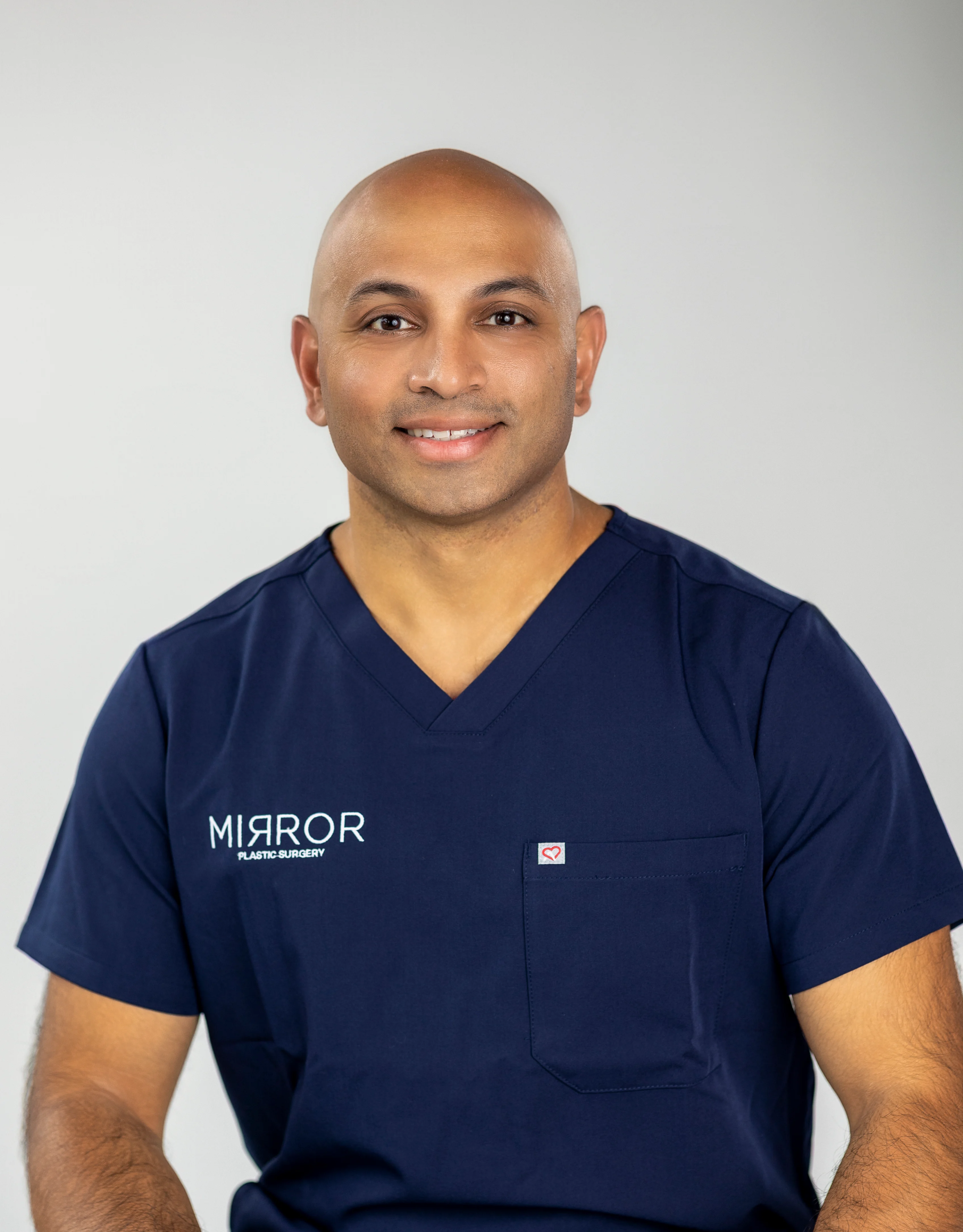
At Mirror Plastic Surgery, a board-certified plastic surgeon personally leads every peptide therapy protocol. Each protocol is built around the patient’s labs and physiology and remains under direct medical supervision from start to finish.
Prescriber Qualifications And Good-Faith Exams
Only four provider types can legally prescribe compounded peptides in the United States: MDs, DOs, NPs in full-practice-authority states, and supervised PAs. No other provider type holds this authority in any U.S. jurisdiction.
A good-faith exam is a real clinical evaluation performed by a licensed prescriber before any peptide protocol begins. The visit may occur in person or via synchronous telehealth. The chart must document medical history, current medications, contraindications, and the clinical rationale for treatment. For growth hormone secretagogues, appropriate labs often include IGF-1, thyroid panels, liver and kidney function, and hormone panels.
A wellness intake questionnaire alone does not meet good-faith exam requirements, because a licensed provider must perform and document the exam. Most clinics also require a fresh good-faith exam when adding a new peptide, since each addition changes the contraindication profile.
Sourcing Peptides From 503A And 503B Pharmacies
Two types of compounding pharmacies supply peptides for patient care. 503A pharmacies compound prescriptions for individual patients under state pharmacy board oversight. 503B outsourcing facilities register with the FDA and produce larger batches under current Good Manufacturing Practice (cGMP) standards. For 503A pharmacies, bulk drug substances must comply with a USP or NF monograph, be components of FDA-approved drugs, or appear on the FDA’s 503A bulks list.
The FDA has issued warning letters to online “research only” peptide sellers whose websites discussed human use and sold injection water alongside peptides, showing that labeling alone does not determine regulatory status. Med spas must avoid unregulated vendors and use only licensed compounding pharmacies for products administered to patients.
Mirror Plastic Surgery sources peptides only from reputable providers that perform rigorous batch testing, which supports consistent quality and safety.
Discuss Peptide Sourcing With Ellie to learn how these standards protect your health and outcomes.
Who May Administer Peptide Injections
State laws uniformly prohibit estheticians and cosmetologists from administering injectable peptide therapy. Licensed medical professionals must handle injections directly or teach safe at-home self-administration under clinical guidance.
Registered nurses may administer injectable peptides under a prescriber’s order when state delegation rules allow it, but a qualified prescriber must complete the good-faith exam and authorization. Proper administration, including sterile technique, correct reconstitution, and accurate dosing, plays a central role in patient safety.
At Mirror Plastic Surgery, patients receive detailed instructions for reconstitution and self-administration, often supported by video demonstrations, along with 24/7 direct access to Dr. Chandawarkar for questions and ongoing support.
Monitoring And Follow-Up For Peptide Therapy
Peptide therapy works best as a structured program rather than a single treatment. Sustained benefits depend on consistent follow-up, similar to how regular workouts maintain fitness gains.1
Mirror Plastic Surgery’s concierge model provides 24/7 physician access by text, telemedicine follow-ups, and detailed self-administration guidance, which together create a high-touch, physician-led experience.
Compliance Checklist: Five Pillars Of A Compliant Peptide Program
- A designated medical director who is a licensed physician (MD or DO) with active, unencumbered licensure in the treatment state, who establishes and signs peptide-specific standing orders and reviews patient charts on a regular schedule.
- Written protocols for patient evaluation and follow-up that require documented good-faith exams by licensed prescribers before any peptide protocol begins, with re-exams for protocol changes and at state-mandated intervals.
- Use of 503A or 503B compounding pharmacies with batch testing, verified through third-party Certificates of Analysis confirming identity, purity of at least 98 percent, sterility, and endotoxin levels, instead of unregulated online vendors.
- Proper training for all staff involved in administration, with injections performed only by licensed medical professionals acting within their state scope of practice.
- Documentation of good-faith exams and informed consent that records the specific peptide and dose, the compounding pharmacy, and the monitoring plan, along with acknowledgment that the peptide is compounded and not FDA-approved.
Common Questions And Misconceptions
Can A Med Spa Sell Peptides?
Med spas may provide peptides only when medical supervision and a valid patient-specific prescription from a licensed provider are in place. Clinics cannot purchase peptides from unregulated online vendors or “research use only” distributors and then administer them to patients, because that practice counts as administering an unapproved drug regardless of the label.
How Do You Get Certified In Peptide Therapy?
No universal peptide certification exists. Providers need medical licensure with prescriptive authority, such as MD, DO, NP, or PA credentials, plus focused training in peptide use. Programs like the A4M/MMI Peptide Therapy Certification through George Washington University School of Medicine offer continuing education but do not replace state licensure.
What Is A Good-Faith Exam?
A good-faith exam is a face-to-face or synchronous telehealth evaluation by a licensed prescriber that documents medical history, medications, contraindications, and the clinical rationale for peptide therapy. A simple questionnaire or checkbox form does not meet this standard.
Are Peptides FDA-Approved?
Most therapeutic peptides are not FDA-approved as finished drugs and instead are compounded by licensed 503A or 503B pharmacies under patient-specific prescriptions. As noted earlier, the FDA’s 2026 removal of 12 peptides from its Category 2 list highlights how the compounding framework continues to evolve, with formal rulemaking still pending.
Why A Medically Supervised Approach Matters
Unsupervised peptide use increases the risk of poor-quality products, incorrect dosing, adverse reactions, and serious legal exposure for both patients and providers. Medical supervision supports personalized protocols based on lab results, which often improves outcomes and reduces complications.1
The physician’s credentials at Mirror Plastic Surgery, which include Harvard Medical School, Johns Hopkins residency, and a Stanford Biodesign Fellowship, combine with a concierge, evidence-based approach to create a highly supervised peptide program. Every protocol is tailored to the client’s labs and physiology and remains under direct medical oversight.
Conclusion: Physician-Led Peptide Therapy At Mirror Plastic Surgery
Medical supervision forms the foundation of safe and effective peptide therapy. A compliant program brings together a designated medical director, documented good-faith exams, high-quality sourcing from 503A or 503B pharmacies, and structured monitoring that keeps patients on track. The regulatory landscape continues to change quickly, and enforcement activity now focuses closely on both patient safety and professional licensure.
Mirror Plastic Surgery offers advanced peptide therapies designed around your labs, your physiology, and your goals, all within a physician-led concierge model. Request Your Peptide Consultation With Ellie to explore how tailored protocols under true physician supervision can support lasting results.1
1 Results may vary from person to person. Editorial content, before and after images, and patient testimonials do not constitute a guarantee of specific results.
Peptide therapy is intended for wellness and optimization purposes and is not prescribed to diagnose, treat, cure, or prevent disease unless specifically stated. Many peptides are not FDA-approved and may be used off-label. Some have limited long-term safety data, with a potential for unknown risks, complications, or desensitization with prolonged use.