
Written by: Dr. Akash Chandawarkar, Board Certified Plastic Surgeon, Mirror Plastic Surgery | Last updated: September 9, 2026
Why A Thorough Evaluation Matters For Safe Aesthetic Care
The primary purpose of a medical evaluation is to prevent complications. Conditions like autoimmune diseases, bleeding disorders, or uncontrolled hypertension can significantly alter your risk profile for injectables or laser treatments. The FDA label for Botox Cosmetic identifies pre-existing neuromuscular junction disorders, including myasthenia gravis and Lambert-Eaton syndrome, as relative contraindications that require careful assessment before treatment. Similarly, medications and supplements can increase bleeding or interact adversely with treatments. A proper evaluation catches these risks before they become complications.
A thorough evaluation also ensures the treatment matches your anatomy, skin quality, and aesthetic goals. What works for one patient may be wrong for another. A physician who examines your facial structure, skin elasticity, and muscle movement can recommend the right treatment. In some cases, that same evaluation may show that a treatment is unnecessary or inappropriate.
Many states require a documented clinical evaluation, commonly called a “good faith exam,” by a licensed provider before prescribing or administering aesthetic treatments like Botox or fillers. A good faith exam is a physician’s clinical assessment that establishes a doctor-patient relationship before a prescription-only aesthetic treatment, and it must happen before treatment rather than be documented after the fact. This evaluation is a legal and ethical obligation that protects you and establishes a legitimate doctor-patient relationship.
What A Thorough Medical Evaluation Should Include
Medical History Review For Safe Treatment Planning
Your provider should review chronic conditions, including autoimmune diseases, diabetes, thyroid disorders, and high blood pressure, along with past surgeries, allergies, and family history. A good faith exam before dermal filler treatment should evaluate the patient’s medical history, previous filler treatments, facial anatomy, and treatment goals to determine medical suitability and factors affecting treatment safety. A history of keloid scarring, for example, directly affects treatment planning for any procedure that disrupts the skin barrier.
Medication And Supplement Disclosure To Uncover Hidden Risks
Thorough evaluations identify hidden risks in your medication and supplement list. Beyond prescription blood thinners like warfarin, you must disclose over-the-counter medications and supplements. The American Academy of Dermatology advises patients to tell their dermatologist about all pain relievers, blood thinners, other medicines including over-the-counter aspirin, and all herbs, vitamins, and minerals they take, even if they have not taken them recently, before cosmetic injectable treatments. Key items to disclose include:
- Aspirin, ibuprofen, and other NSAIDs
- Fish oil and omega-3 supplements
- Vitamin E
- Garlic, ginger, and ginkgo biloba
- St. John’s Wort
- Any herbal or botanical supplements
Aminoglycoside antibiotics and neuromuscular-blocking muscle relaxants may strengthen or prolong muscle weakness when combined with botulinum toxin type A, a drug interaction that only surfaces when a provider takes a complete medication history. The decision to pause any prescribed agent always belongs to the clinician managing your care. Once your medication list is cleared, the next step is a direct physical examination of the treatment area.
Physical Exam And Skin Assessment For Targeted Care
A responsible provider examines the treatment area directly. For injectables, this means assessing facial anatomy, muscle movement, skin quality, and elasticity. The BOTOX prescribing information instructs that physicians administering BOTOX must understand the relevant neuromuscular and structural anatomy of the area involved and any alterations to the anatomy due to prior surgical procedures and disease. This physical exam is essential and cannot be replaced by a questionnaire or a remote photo review.
For laser treatments, the evaluation shifts to skin type, pigmentation, and any lesions. This matters because an international expert consensus published in the Journal of Cosmetic Dermatology identified that aesthetic procedures, even when non-invasive, may cause skin barrier disruption leading to oxidative stress and inflammation, with the risk of post-inflammatory hyperpigmentation greatest in skin of color and acne-prone skin. Pre-treatment skin assessment is a clinical necessity that helps reduce these risks.
Psychological Readiness And Realistic Expectations
A thorough evaluation also addresses your motivations and mental health. A 2024 systematic review and meta-analysis reported an estimated prevalence of body dysmorphic disorder of 18.6% across aesthetic and reconstructive plastic-surgery populations, which makes psychological screening a critical safety component. Your provider should ask about your reasons for seeking treatment, your history with previous procedures, and what outcomes you expect.
Risk Discussion And Informed Consent That Protects You
Before any treatment, your provider must discuss potential risks, side effects, alternatives, and expected outcomes. A peer-reviewed analysis found that failure to obtain adequate informed consent was the single factor most strongly associated with a ruling in the patient’s favor in cosmetic procedure malpractice litigation. For dermal fillers, risk disclosure must include vascular occlusion. Intra-arterial injection leading to necrosis occurs in 0.1–0.3% of filler procedures and can result in blindness or stroke.
For Botox, risk discussion includes the FDA’s boxed warning. The effects may spread from the area of injection and cause symptoms such as muscle weakness, double vision, drooping eyelids, and difficulty swallowing or breathing. These effects can be life-threatening and have resulted in death. Informed consent is an ongoing conversation that helps you make decisions with a clear understanding of benefits and risks.
What To Expect During Your Consultation At Mirror Plastic Surgery
At Mirror Plastic Surgery, a thorough medical evaluation is the cornerstone of the concierge approach. Your consultation with Dr. Akash Chandawarkar, a Harvard-educated, Johns Hopkins-trained, board-certified plastic surgeon, typically lasts 30 to 60 minutes. This extended time allows for a careful review of your health and goals. Here is what you can expect:
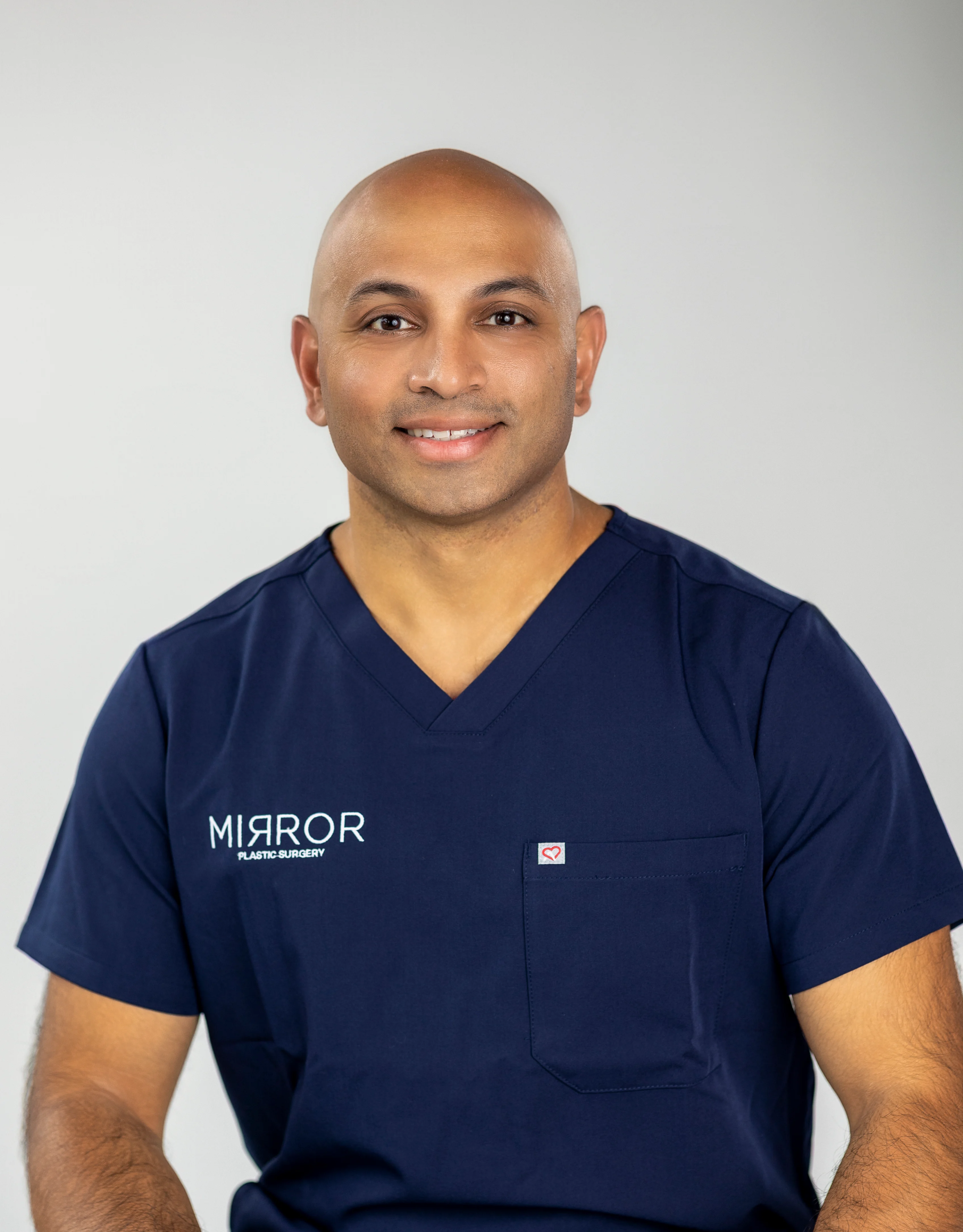
- A Top-To-Bottom Assessment: Dr. Akash reviews your complete health picture, not just the treatment area.
- In-Depth Lab Analysis When Needed: For certain treatments, lab tests, including thyroid, hormone panels, and metabolic markers, may be ordered to identify root causes and ensure safety.
- A Personalized Treatment Plan: Recommendations are tailored to your anatomy, health status, and goals, rather than a generic protocol.
- Education At Every Step: Dr. Akash explains the reasons behind each recommendation in relatable terms, so you understand what you are receiving and why it fits you.
- Honest Guidance: If a treatment is unnecessary or inappropriate for you at this time, Dr. Akash will tell you and focus on your long-term results.1
Red Flags That Signal An Inadequate Consultation
A consultation focused on results and pricing but light on details of risks is a warning indicator, and risk information should be given by a competent medical practitioner rather than through a sales-based consultation. Recognizing the signs of an unsafe practice helps you protect your health. Walk away if you encounter any of the following:
- No Physical Exam Before Injectables: A provider who administers Botox or fillers without examining your face and reviewing your history is cutting corners on your safety.
- No Discussion Of Medical History Or Medications: If no one asks about your health conditions, medications, or supplements, you are not receiving proper care.
- Pressure To Book Immediately: Red flags for unqualified providers include aggressive sales tactics and pressure to decide immediately. These tactics serve marketing goals rather than medical care.
- Lack Of A Personalized Plan: A one-size-fits-all approach that ignores your anatomy or goals is a clinical red flag.
- Inability To Answer Questions About Risks Or Qualifications: If your provider cannot clearly explain risks, alternatives, or their credentials, that is a warning sign.
- No Emergency Protocols For Fillers: Emergency preparedness should be part of every dermal filler program, including immediate access to hyaluronidase, written emergency response protocols for vascular occlusion, staff training, and referral pathways for urgent ophthalmology or emergency care.
Key Questions To Ask Your Aesthetic Provider
Direct questions help you understand your provider’s qualifications and approach to safety. Before any aesthetic treatment, ask:
- What are your qualifications and board certifications?
- What does your medical evaluation include?
- Will you review my complete medication and supplement list?
- How do you handle complications, and do you have hyaluronidase on-site?
- What results can I realistically expect?
- What is included in the treatment plan and follow-up care?
Your Safety And Results Start With Evaluation
A thorough medical evaluation before aesthetic treatment is the critical difference between safe, beautiful results and preventable complications.1 Safety in aesthetic medicine depends on patient selection, practitioner expertise, appropriate product choice, correct technique, and ongoing care and follow-up, and a proper medical consultation and assessment is the first and most important step. When you choose a practice that prioritizes comprehensive evaluation, you choose safety, personalization, and high clinical standards.
At Mirror Plastic Surgery, every patient receives the time, attention, and medical rigor they deserve. Dr. Akash Chandawarkar and the team are committed to concierge-level care that puts your safety first, function second, and aesthetics third. Your aesthetic journey benefits from this careful, stepwise approach.
Start your journey with a safety-first consultation at Mirror Plastic Surgery.
This article is for educational purposes and does not replace professional medical advice. Always consult a qualified physician.
Frequently Asked Questions
What Is The Difference Between A Good Faith Exam And A Standard Consultation?
A good faith exam is a specific, legally recognized clinical evaluation performed by a licensed provider, typically a physician, nurse practitioner, or physician assistant, before a patient receives a prescription-based aesthetic treatment such as Botox or dermal fillers. It creates a documented record of the provider’s assessment of the patient’s eligibility for a specific treatment and establishes a formal doctor-patient relationship. A general consultation may cover your goals and preferences, but it does not fulfill the clinical and legal requirements of a good faith exam unless it includes a medical history review, a physical or visual exam relevant to the treatment, and a documented, patient-specific treatment decision. At Mirror Plastic Surgery, every consultation with Dr. Akash Chandawarkar meets and exceeds these standards and functions as a full clinical evaluation rather than a sales visit.
Why Does It Matter If My Provider Asks About Supplements And Herbal Products?
Over-the-counter supplements can significantly affect aesthetic treatments. Supplements including fish oil, vitamin E, garlic, ginger, ginkgo biloba, and St. John’s Wort can increase bleeding risk and affect how your body responds to injectables. Even if you have not taken a supplement recently, it can still be relevant to your treatment plan. A provider who does not ask about your full supplement and medication list, including everything from prescription drugs to daily vitamins, is missing critical safety information. At Mirror Plastic Surgery, Dr. Akash conducts a thorough medication and supplement review for every patient, because details that seem minor to you may be clinically significant to your safety.
What Are The Risks Of Skipping A Proper Medical Evaluation Before Aesthetic Treatment?
Skipping or shortcutting a medical evaluation before aesthetic treatment exposes you to preventable complications. For injectable treatments, these include vascular occlusion, where filler inadvertently enters or compresses a blood vessel, which can cause tissue necrosis, permanent scarring, and in rare cases blindness or stroke. For Botox, undetected neuromuscular conditions can amplify the toxin’s effects in dangerous ways. Beyond physical complications, an inadequate evaluation may miss psychological factors such as body dysmorphic disorder, which, as noted earlier, affects a significant proportion of aesthetic patients and requires careful screening before treatment proceeds. Providers who rush evaluations or skip them entirely also expose patients to legal risk, because informed consent failures are among the most common factors in cosmetic procedure malpractice claims. A thorough evaluation is the primary mechanism by which your provider protects your health.
How Often Do I Need A Medical Evaluation Before Aesthetic Treatments?
The frequency of required evaluations depends on the treatment type, your health status, and applicable state regulations. In general, a new evaluation is required before your first treatment with a new provider, when you begin a new treatment category, and when your health status changes, such as a new diagnosis, a new medication, pregnancy, or a major surgery. Many practices perform a fresh evaluation at least annually for ongoing patients. If your health is stable and you are receiving the same treatment, your provider will update your medical history at each visit rather than conducting a full evaluation from scratch. At Mirror Plastic Surgery, Dr. Akash reviews your complete health picture at every appointment to ensure that your treatment plan remains appropriate and safe as your health evolves over time.
How Do I Know If A Provider Is Qualified To Perform My Aesthetic Treatment?
In the United States, any licensed physician can legally perform cosmetic procedures regardless of specialty training, which makes credential verification essential. A board-certified plastic surgeon, certified by the American Board of Plastic Surgery, the only plastic surgery board recognized by the American Board of Medical Specialties, has completed at minimum a general surgery residency plus additional plastic surgery training and passed rigorous examinations. You can verify a surgeon’s board certification through the American Board of Plastic Surgery’s online verification tool or the American Board of Medical Specialties. Beyond credentials, look for a provider who conducts a thorough pre-treatment evaluation, can clearly explain risks and alternatives, has emergency protocols in place, and does not pressure you to book immediately. As noted earlier, Dr. Akash Chandawarkar’s credentials are fully verifiable, and his approach to every patient reflects the clinical standards those credentials represent.
1 Results may vary from person to person. Editorial content, before and after images, and patient testimonials do not constitute a guarantee of specific results.
Peptide therapy is intended for wellness and optimization purposes and is not prescribed to diagnose, treat, cure, or prevent disease unless specifically stated. Many peptides are not FDA-approved and may be used off-label. Some have limited long-term safety data, with a potential for unknown risks, complications, or desensitization with prolonged use.