
Written by: Dr. Akash Chandawarkar, Board Certified Plastic Surgeon, Mirror Plastic Surgery | Last updated: September 9, 2026
Key Takeaways
- Concierge wellness medicine uses a membership model that provides longer visits, small patient panels, and proactive, prevention-focused care.
- Patients receive personalized wellness protocols, including hormone support, peptide therapy, and lifestyle coaching based on their labs and physiology.
- Membership fees pay for enhanced access and wellness services, while insurance still covers eligible medical visits, labs, and procedures.
- Concierge wellness adds advanced diagnostics, comprehensive lab panels, and longevity planning beyond standard primary care services.
What Is Concierge Wellness Medicine? Defining The Model
Concierge wellness medicine is a membership-based healthcare model where patients pay a recurring retainer for enhanced physician access, longer visits, and a proactive focus on prevention and health performance. Three related models often get grouped together, yet they function differently:
- Traditional Concierge Medicine: Focuses on primary care access, same-day appointments, direct physician communication, and unhurried visits for acute and chronic medical needs.
- Direct Primary Care (DPC): Uses a flat monthly fee that covers a defined scope of primary care services, typically without billing insurance at all.
- Concierge Wellness Medicine: Adds a wellness and optimization layer with advanced diagnostics, comprehensive lab panels, lifestyle coaching, longevity planning, and access to treatments such as peptide therapy, hormone support, and IV nutrition.
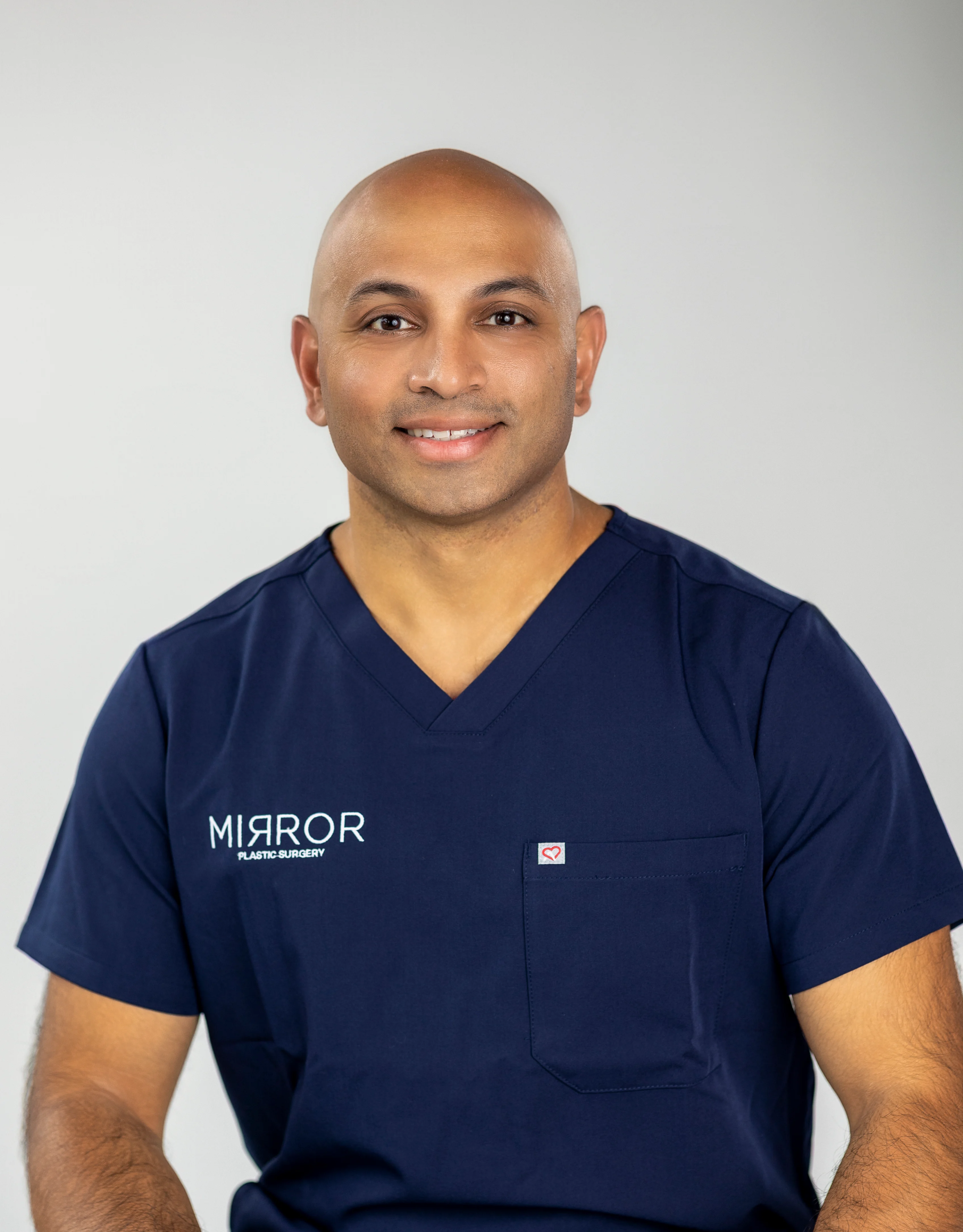
Mirror Plastic Surgery’s concierge wellness programs are led by Dr. Akash Chandawarkar, MD, a Harvard Medical School graduate, Johns Hopkins-trained plastic surgeon, and Stanford Biodesign Innovation Fellow. He is board-certified by the American Board of Plastic Surgery. Dr. Akash designs every wellness protocol around each patient’s labs and physiology, which provides medical oversight that keeps personalized care both safer and more effective.1
Schedule a concierge wellness consultation to begin a physician-led evaluation tailored to your goals.
Step 1: Understand The Membership Model And What It Covers
Concierge wellness memberships usually fall into entry-level, mid-range, and premium tiers based on panel size, services, and physician reputation. Typical membership tiers include:
- Entry-Level: Enhanced access, same-day appointments, and extended visits.
- Mid-Range: Adds comprehensive annual physicals, advanced lab panels, and structured wellness planning.
- Premium: Includes executive physicals, advanced diagnostics, 24/7 direct access, and robust care coordination.
Membership fees function as an access and service charge, not a replacement for health coverage. That means hospitalizations, imaging, specialist visits, and most procedures are billed separately to insurance. Most concierge practices use a hybrid model. The retainer covers enhanced access and wellness services, while covered clinical services bill to the patient’s existing insurance plan.
Concierge medicine membership fees are generally not covered by insurance or Medicare, although covered clinical services may still bill to insurance separately.
Step 2: Recognize The Power Of Small Patient Panels
The structural core of concierge wellness is a dramatically smaller patient panel. Traditional primary care physicians manage 2,000–3,000 patients and see 20–30 per day. Concierge wellness practices often limit panels to 50–600 patients. This structure allows:
- Visits lasting 30–90 minutes instead of brief 10–15 minute encounters
- Same-day or next-day appointments
- Direct physician access via phone, text, or email
- Deep familiarity with your history, labs, and long-term goals
Mirror Plastic Surgery applies this same philosophy in its daily operations. The practice limits itself to one to two surgeries per day and dedicates up to an hour per consultation. This approach contrasts with high-volume practices that may see five to ten patients in the same time window.
Step 3: Explore The Wellness Layer Beyond Sick Visits
The expanded wellness layer distinguishes concierge wellness from standard concierge primary care. Concierge wellness memberships typically begin with comprehensive assessments that go far beyond a standard check-up. These assessments often include advanced diagnostics that reveal imbalances before they become major problems.
Common concierge wellness services include:
- Comprehensive Annual Physicals: Sixty to ninety minute executive-style exams instead of brief traditional checkups.
- Advanced Lab Panels: Hormone testing, inflammation markers, metabolic analysis, nutritional deficiencies, and cardiovascular risk assessment.
- Personalized Health Plans: Custom protocols that address root causes rather than isolated symptoms.
- Lifestyle Coaching: Nutrition, sleep, stress management, and exercise guidance.
- Treatment-Adjacent Services: Peptide therapy, IV therapy, hormone support, and weight management programs.
Mirror Plastic Surgery’s wellness menu exemplifies this approach, offering medically supervised peptide protocols. These include the Glow Stack (GHK-CU, BPC-157, TB500) for inflammation and skin health, NAD for cellular energy, and GLP-3R for weight management and metabolic health. Because Dr. Akash is a board-certified physician, every protocol is designed around each patient’s labs and physiology.
Peptides are sourced from reputable providers with batch testing, which supports quality and accurate dosing that unsupervised online sources cannot guarantee.
Step 4: Follow The Concierge Wellness Patient Journey
The typical concierge wellness experience follows a structured, iterative process:
- Initial Consultation: An in-depth discussion of medical history, health goals, and concerns, typically lasting 30–60 minutes.
- Comprehensive Assessment: Advanced lab panels and diagnostics to establish a baseline and identify root-cause imbalances.
- Personalized Plan Development: A custom protocol that addresses identified deficiencies, hormonal patterns, and wellness goals.
- Ongoing Support: Direct physician access for questions, dosing adjustments, and refills.
- Follow-Up And Monitoring: Regular check-ins to track progress and refine protocols over time.
Mirror Plastic Surgery delivers this journey both in person at its St. Petersburg, Florida location and remotely across the United States, including Hawaii and Alaska. Dr. Akash remains available via text or scheduled telemedicine appointments throughout the process.
Start your personalized wellness assessment with Dr. Akash and explore a concierge approach tailored to your needs.
Step 5: Evaluate Costs, Insurance, And Medicare Considerations
Clear understanding of the financial structure helps you decide whether concierge wellness fits your situation. Key points include:
- Membership Fees And Coverage: The retainer pays for access and non-covered services, not clinical care itself.
- Hybrid Model: Most concierge practices bill insurance for covered services such as office visits, labs, and procedures, while the membership covers enhanced access and wellness services.
- Medicare Interaction: If the physician participates in Medicare, covered services bill normally and the membership fee remains out-of-pocket. Some concierge doctors opt out of Medicare entirely, which means no services are reimbursable by the program.
- HSA/FSA: A standalone concierge membership fee generally does not qualify as an HSA-eligible medical expense under IRS rules, though specific billed services may qualify. However, IRS Notice 2026-05 introduced new eligibility considerations for certain direct primary care arrangements beginning in 2026.
Important Considerations: Pros, Cons, And Candidacy
The concierge wellness model offers meaningful advantages and real limitations, and both deserve careful review.
Advantages
- Significantly more time with your physician during each visit.
- Proactive, preventive focus that moves beyond reactive sick care.
- Direct physician access and coordinated care across services.
- Studies show reduced ER visits and hospitalizations among concierge patients.1
Limitations
- Cost: Annual retainer fees sit on top of existing insurance premiums.
- Exclusivity: The model creates a two-tiered system and remains inaccessible for many patients.
- Insurance Gaps: The retainer does not cover specialists, hospitals, or procedures.
- Variable Quality: Some practices charge membership fees yet still run high patient volumes or route patients mainly to mid-level providers.
Ideal Candidates often include people managing chronic conditions such as inflammation or autoimmune disorders, busy professionals who need flexible and direct care, individuals interested in preventive and longevity medicine, and patients frustrated by rushed traditional visits.
Checklist: Questions To Ask Before Joining A Concierge Wellness Practice
- What are the physician’s credentials and board certifications?
- How many patients are in the panel?
- What specific services does the membership include?
- How are labs, refills, and follow-ups handled?
- What is the process for urgent needs after hours?
- Does the practice bill insurance for covered services?
- What is the cancellation policy?
- Are treatments like peptides medically supervised and sourced from reputable, batch-tested suppliers?
The Bigger Picture: Concierge Wellness And The Future Of Healthcare
The U.S. concierge medicine market was valued at $7.35 billion in 2024 and is projected to grow at 10.33% annually through 2030. Practice sites grew 83.1% between 2018 and 2023. This growth reflects broader trends such as physician burnout, patient demand for unhurried care, and the rise of longevity medicine.
Concierge wellness sits at the intersection of preventive medicine, advanced diagnostics, and personalized treatment. The model serves patients who want a structured plan for long-term health rather than reactive sick care alone.
Mirror Plastic Surgery’s physician-led approach reflects this evolution. Dr. Akash brings a forward-looking, evidence-based perspective shaped by training at MIT, Harvard, Johns Hopkins, and Stanford. He understands both the wellness goals patients want to reach and the clinical science required to get there safely.
Explore a concierge wellness plan built around your labs and physiology and see how this model can support your long-term health goals.
Frequently Asked Questions
Is Concierge Medicine Covered By Insurance?
The membership fee is paid out-of-pocket and covers enhanced access and non-covered wellness services. Covered medical services such as office visits, labs, and procedures are typically billed to the patient’s existing insurance plan separately. The membership fee itself is never reimbursable by commercial insurance, Medicare, or Medicare Advantage plans under any current regulatory framework.
How Many Patients Does A Concierge Doctor See?
Concierge physicians typically maintain panels in the 50–600 patient range, as described in Step 2. This smaller panel is the structural reason concierge practices can offer longer visits, same-day scheduling, and direct physician access. Specific panel size varies by practice tier and model. Premium practices may limit panels to fewer than 100 patients, while network-affiliated practices may approach the higher end of that range.
What Is The Downside To Concierge Medicine?
The primary downsides involve cost, exclusivity, and coverage gaps. Annual retainer fees are paid on top of existing insurance premiums, which raises total healthcare spending. The model remains inaccessible for many patients and raises health equity concerns. The retainer also does not cover specialist visits, hospital stays, imaging, or procedures, so patients still need comprehensive insurance. Quality varies significantly across practices, so vetting physician credentials and panel size before enrolling remains essential.
Is Concierge Wellness Worth The Cost?
For patients who value preventive care, manage chronic or inflammatory conditions, or feel consistently underserved by rushed traditional visits, the investment can deliver measurable returns. These may include reduced emergency care utilization, better chronic disease management, and a proactive health strategy built around their specific biology.1 For generally healthy individuals who see a doctor once or twice a year, the financial value is harder to justify. The benefit depends heavily on how actively the patient engages with the model and the quality of the practice they choose.
How Does Concierge Wellness Differ From Traditional Concierge Medicine?
Traditional concierge medicine focuses on primary care access, same-day appointments, direct physician communication, and unhurried visits for acute and chronic needs. Concierge wellness medicine adds an optimization layer that includes advanced diagnostics, comprehensive hormone and metabolic panels, lifestyle coaching, longevity planning, and access to treatments such as peptide therapy, IV nutrition, and hormone support. The difference is a fundamentally broader, proactive scope of care aimed at root-cause resolution and long-term health performance, not just convenience.
Is Concierge Wellness Medicine Right For You?
The concierge wellness medicine model offers a membership-based structure built on small patient panels, extended visits, and a proactive focus on prevention and optimization. Its value depends on provider quality, transparency, and alignment with your personal health goals. The model works best when patients stay actively engaged, the physician holds strong credentials, and the practice delivers genuine medical oversight rather than simply faster scheduling.
Mirror Plastic Surgery offers personalized, physician-led peptide therapies and wellness protocols designed around your labs, physiology, and goals. Every protocol is medically supervised by Dr. Akash Chandawarkar, sourced from batch-tested suppliers, and supported by direct, ongoing concierge care. Begin a personalized concierge wellness evaluation and explore how a tailored approach can support your health objectives.
This article is for educational purposes only and does not constitute medical advice. Peptide therapies are not FDA-regulated and require professional medical supervision. Mirror Plastic Surgery sources peptides from reputable providers with batch testing and provides medically supervised protocols for all patients.
1 Results may vary from person to person. Editorial content, before and after images, and patient testimonials do not constitute a guarantee of specific results.
Peptide therapy is intended for wellness and optimization purposes and is not prescribed to diagnose, treat, cure, or prevent disease unless specifically stated. Many peptides are not FDA-approved and may be used off-label. Some have limited long-term safety data, with a potential for unknown risks, complications, or desensitization with prolonged use.