Acne Treatment
Written by: Dr. Akash Chandawarkar, Board Certified Plastic Surgeon, Mirror Plastic Surgery | Last updated: September 28, 2026
Key Takeaways
Acne treatment follows a tiered, medically supervised approach. Mild cases start with OTC actives, moderate acne moves to prescription options, and severe or scarring disease calls for isotretinoin or procedures.
OTC first-line actives include benzoyl peroxide 2.5–5%, salicylic acid, and adapalene 0.1%. Consistent use for 2–3 months is needed before judging results.
Prescription therapies such as topical retinoids, time-limited oral antibiotics, hormonal treatments, and isotretinoin offer higher efficacy and require physician oversight for safety.
High-glycemic diets and cow's milk can worsen acne. Stress, poor sleep, and hormonal factors also play significant roles in adult breakouts.
Mirror Plastic Surgery Peptides provides physician-led, lab-informed acne care with personalized escalation pathways and supportive peptide therapies when appropriate.
Book a Consultation at Mirror Plastic Surgery Peptides
How Acne Treatment Is Chosen by Type, Severity, and Location
Treatment tier is determined by acne type and severity. MSD Manuals classifies mild acne as fewer than 20 comedones or fewer than 15 inflammatory lesions, moderate acne as 20–100 comedones or 15–50 inflammatory lesions, and severe acne as more than 5 cysts or more than 100 comedones or more than 50 inflammatory lesions. In practical terms:
Mild comedonal acne often responds to OTC actives such as adapalene and benzoyl peroxide.
Moderate inflammatory acne typically requires prescription topicals or a time-limited oral antibiotic.
Severe nodular or scarring acne usually warrants isotretinoin or procedural escalation.
Location also shapes the plan. Hormonal acne commonly affects the lower face and jawline and may flare with menstrual cycles or hormonal shifts. Chest and back acne may need different vehicle formulations. The 2025 Swiss acne recommendations note that approximately 50% of patients with facial acne also have trunk lesions that are often not mentioned during a consultation.
Before any consultation, gather the following information:
Breakout type (comedonal, inflammatory, nodular, or mixed)
Location (face, jawline, chest, back)
Duration and pattern (constant, cyclical, worsening)
Products already tried and for how long
Pregnancy status or plans
A board-certified physician can order labs, including free and total testosterone, DHEA, sex hormone binding globulin, and prolactin, when hormonal or metabolic drivers are suspected, such as irregular menses or hirsutism.
Book an Appointment with Ellie
The Acne Treatment Ladder: OTC First-Line Routine
Acne care works best as a stepwise ladder instead of jumping straight to the strongest option. The diagram below maps that progression from drugstore actives through prescription therapy to in-office procedures.
For mild acne, use a structured OTC routine built around three evidence-supported actives:
Benzoyl peroxide 2.5–5%: Comedolytic and antibacterial with very low to no development of resistance; gel products are generally preferred and it should be used in all acne patients if tolerated.
Salicylic acid: A keratolytic and comedolytic option suitable for open comedones and mild inflammatory lesions.
Adapalene 0.1%: As effective as tretinoin but less irritating. With topical retinoids such as tretinoin or tazarotene, apparent worsening of acne may occur initially, with improvement possibly taking 3 to 4 weeks.
Introduce one product at a time so you can identify the source of any irritation. Once adapalene is tolerated, apply it in the evening to the entire affected area using a pea-sized amount for the full face. Because retinoids and benzoyl peroxide can disrupt the skin barrier, pair them with a gentle, soap-free cleanser at pH 4.5–5.5 and a non-comedogenic moisturizer. Cleansing once or twice daily is sufficient; additional washing and scrubbing confer no added benefit and may be harmful.
The 2025 Swiss acne recommendations define short-term treatment success as more than approximately 50% reduction of inflammatory lesions within 3 months. If consistent OTC use for 2–3 months has not produced that result, escalation to prescription therapy is appropriate.
What Kills Acne Quickly in a Medical Plan
No single intervention clears acne overnight, and “fast” looks different at each tier. The options below are ordered by how quickly they produce visible change:
Intralesional corticosteroid injections — indicated for firm cystic lesions seeking quick clinical improvement with reduced scarring; local atrophy may occur but is usually transient.
Benzoyl peroxide — begins reducing bacterial load within days, though visible clearing takes weeks.
Oral antibiotics — slower to show visible clearing, with full benefit for moderate acne taking at least 12 weeks.
Quick fixes provide short-term relief and work best as part of a consistent, tiered routine. Rapid improvement without addressing sebum production, follicular plugging, and inflammation leads to relapse.
What Is the Most Effective Treatment for Acne?
A network meta-analysis of 221 randomized controlled trials found that oral isotretinoin is the most effective treatment for acne overall, followed by triple therapy combining a topical or oral antibiotic, a topical retinoid, and benzoyl peroxide. For most patients, the most effective approach is a tiered one. OTC actives come first, prescription escalation follows when indicated, and isotretinoin is reserved for severe or scarring disease under physician supervision.
Prescription Acne Treatment Options and Who They Are For
When OTC therapy fails after 2–3 months of consistent use, several prescription options become appropriate.
Topical retinoids (tretinoin, tazarotene, trifarotene): Increase cell turnover and unclog pores. Indicated for mild-to-moderate acne not responding to adapalene. Contraindicated in pregnancy and in patients of childbearing potential not using effective contraception. Improvement in acne may begin as early as 2 weeks, with a typical range of roughly 4–8 weeks, and more than 7 weeks (or up to 12 weeks or longer) may be needed for full benefit.
Topical antibiotics (clindamycin): Reduce C. acnes colonization and inflammation. Always combined with benzoyl peroxide to limit resistance. Monotherapy with topical antibiotics is not recommended. Use is limited to 3–6 months.
Oral antibiotics (doxycycline, minocycline, sarecycline): Used for moderate inflammatory acne. Doxycycline and minocycline are preferred, dosed at 50–100 mg twice daily; full benefit takes at least 12 weeks. They are always paired with a topical retinoid and benzoyl peroxide. Duration is limited to 3–4 months to reduce antibiotic resistance.
Hormonal therapy (spironolactone, combined oral contraceptives): Appropriate for females with moderate-to-severe acne, particularly jawline-predominant or perimenstrual flares. The FASCE trial showed spironolactone 150 mg/day for 6 months was significantly more effective than doxycycline 100 mg/day for 3 months in adult women with moderate acne. Spironolactone is contraindicated in pregnancy.
Isotretinoin: Reserved for severe, nodular, or scarring acne, or moderate acne unresponsive to other systemic therapies. Typical dosing is 0.5–1 mg/kg/day. Courses generally last about 16–24 weeks. A cumulative dose of 120–150 mg/kg is associated with lower recurrence rates. It can be life-changing when indicated and requires monitoring and strict contraception protocols. See the safety section below.
Procedural options (chemical peels, laser therapy): Chemical peeling agents such as salicylic acid, glycolic acid, and resorcinol are useful adjunctive measures. A physician should plan these, particularly for scarring or persistent inflammation.
OTC vs. Prescription Acne Treatment
OTC actives such as benzoyl peroxide, salicylic acid, and adapalene 0.1% are appropriate for mild comedonal and mild inflammatory acne. They are available without a prescription, can be started immediately, and form the foundation of many acne routines. Prescription therapy is indicated when acne is moderate-to-severe, when scarring is present or developing, or when 2–3 months of consistent OTC use has not produced meaningful improvement.
The distinction is about supervision, not strength. Prescription options require medical oversight because they carry risks, including antibiotic resistance with prolonged oral antibiotic use, teratogenicity with retinoids, and metabolic monitoring requirements with isotretinoin. Management of acne has shifted away from prolonged oral antibiotic courses; if oral antibiotics are used, benefit is greatest early, generally up to 12 weeks, and they should be paired with a non-antibiotic topical therapy. A physician can also identify hormonal or metabolic drivers that OTC products cannot address.
Diet, Lifestyle, and Straightforward Acne Answers
What Foods Trigger Acne?
A 2026 umbrella review synthesizing 15 systematic reviews and more than 70,000 participants found that high glycemic index and high glycemic load diets are consistently associated with increased acne risk and severity, and that randomized clinical trials demonstrated low glycemic-load diets improved acne lesion counts. High-glycemic foods such as refined carbohydrates, sugary drinks, and white bread are the most evidence-supported dietary modifiers of acne. Food contributes to severity, and elimination diets alone rarely act as a cure.
Does Dairy Cause Acne?
The American Academy of Dermatology notes that some studies link drinking cow's milk — whole, low-fat, and skim — to an increase in acne breakouts, while no studies have found that milk-derived products such as yogurt or cheese lead to more breakouts. The same 2026 umbrella review found that evidence regarding chocolate, fatty or salty foods, and coffee as acne triggers was inconsistent. If dairy seems to trigger your breakouts, reducing cow's milk for 8–12 weeks is a reasonable test, made as a single change.
Is Acne Caused by Poor Hygiene?
No. Acne reflects follicular and inflammatory pathways, and over-washing can worsen irritation. Associations between acne and inadequate face washing are unfounded; additional washing, antibacterial soaps, and scrubbing confer no added benefit and may be harmful. Acne is driven by androgen-mediated sebum production, follicular hyperkeratinization, C. acnes colonization, and inflammation.
Can Drinking More Water Help Acne?
Hydration supports overall skin health and barrier function, yet water intake alone does not treat acne. No clinical evidence shows that increased water consumption reduces acne lesion counts. It remains a useful general health habit rather than a therapeutic intervention.
Does Stress Affect Acne?
The 2025 Swiss acne recommendations identify stress as an external factor in the aetiopathogenesis of adult acne, alongside Western-type diet and tobacco use. Stress and poor sleep quality can influence systemic inflammation and hormonal fluctuations that worsen breakouts. Managing these factors works as a helpful adjunct to medical treatment, not a replacement.
Safety Guardrails and Special Populations
Retinoids and Pregnancy
Isotretinoin is a human teratogen that must not be taken during pregnancy because it causes birth defects in humans. Both topical and systemic retinoids are contraindicated during pregnancy and breastfeeding. Women of reproductive age must use two effective forms of birth control for at least 1 month before starting isotretinoin, throughout treatment, and for at least 1 month after stopping. In the United States, isotretinoin is dispensed only through the iPLEDGE program, which requires women of reproductive age to enroll and undergo monthly pregnancy testing during treatment. For acne during pregnancy, benzoyl peroxide, azelaic acid, and erythromycin are considered safe topical options for mild disease.
Acne Treatment for Teens
Adolescent skin may be more sensitive to irritation from retinoids and benzoyl peroxide, so gradual introduction at 2–3 evenings per week initially works best. Acne affects up to 85% of adolescents, and early effective therapy reduces the risk of permanent scarring and mental health impacts. A 2026 study of 403 acne patients found that 42.9% of those who developed scars had waited 3–10 years before seeking treatment, which represents a preventable outcome. Expert consensus supports first-line isotretinoin for teens aged 12–18 with severe conglobate or nodulocystic acne with risk of scarring under specialist supervision. Isotretinoin should be used with caution in teenagers, especially those with bone problems or diseases.
When to See a Doctor
Physician-led care is indicated when any of the following apply:
Nodular or cystic lesions are present
Scarring or post-inflammatory hyperpigmentation is developing
No meaningful improvement after 2–3 months of consistent OTC use
Pregnancy is planned or confirmed
Signs of hormonal imbalance are present (irregular menses, hirsutism, late-onset acne after age 25)
Significant psychological distress related to acne
Urgent referral is required for acne fulminans, a medical emergency with systemic symptoms including fever and arthralgia, and for conglobate acne with rapid scarring. Severe acne should be treated promptly. Untreated acne lasting up to 3 years is critical in determining scar formation, after which the degree of scarring increases significantly.
Those guardrails highlight why physician oversight matters and why the setting for that care deserves careful choice.
What Sets Mirror Plastic Surgery Apart for Acne Care
Mirror Plastic Surgery is a premier aesthetic medicine and plastic surgery practice in St. Petersburg, Florida, built on a foundation of concierge medicine: safety first, function second, aesthetics third. For patients who have exhausted OTC options and want physician-led, lab-informed care, Mirror offers a medically supervised escalation pathway that high-volume practices rarely match.
Mirror limits itself to one to two surgeries per day and spends up to an hour in consultation. This structure contrasts with practices performing five to ten procedures daily. Non-surgical care, including acne treatment, receives the same level of individualized attention. Every acne protocol is led by Dr. Akash Chandawarkar himself and may include in-depth lab analysis to identify hormonal, inflammatory, or metabolic drivers before any treatment is prescribed.
Some patients have skin health goals beyond prescription management. For them, peptide therapies such as the Glow Stack (GHK-CU, BPC-157, TB500) may support collagen and elastin production, reduce systemic inflammation, and improve overall skin health as part of a personalized plan.* Care is available in person in the St. Petersburg/Tampa area and remotely across the United States, including Hawaii and Alaska.
Start Your Physician-Led Acne Plan
Meet Your Physician: Dr. Akash Chandawarkar
Dr. Akash Chandawarkar, MD, is the founder of Mirror Plastic Surgery and lead physician for all non-surgical wellness and acne protocols. He is board certified by the American Board of Plastic Surgery, graduated with Honors from Harvard Medical School through the Harvard-MIT Division of Health Sciences and Technology, and studied neuroscience and nuclear engineering at MIT. He completed a seven-year integrated plastic and reconstructive surgery residency at Johns Hopkins University, holds a fellowship in aesthetic surgery at the Manhattan Eye Ear & Throat Hospital (MEETH)/Lenox Hill Hospital, and completed the Stanford University Biodesign Innovation Fellowship in Silicon Valley.
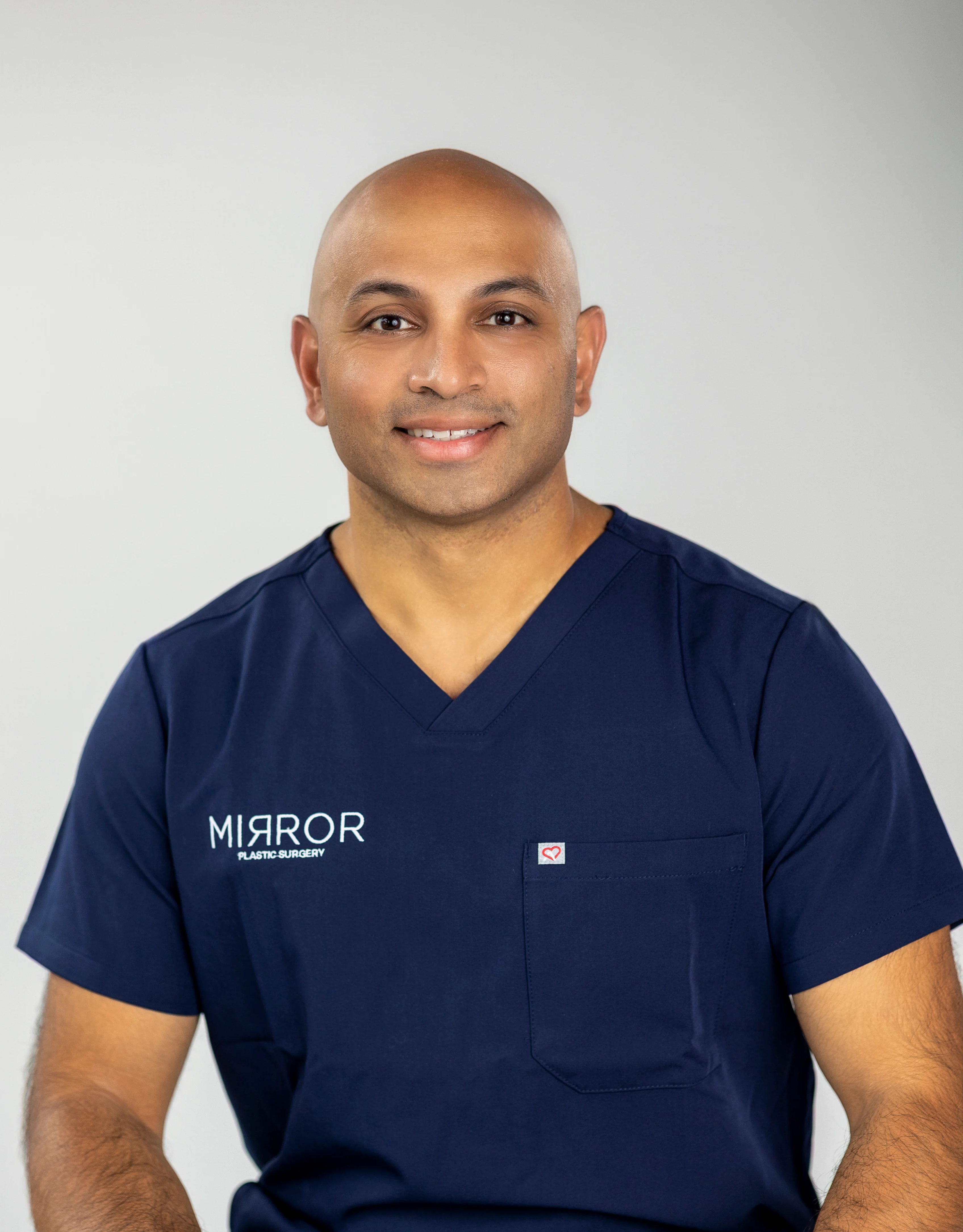
Dr. Akash's approach to patient care is rooted in education and honesty. He often tells clients when a service or product is not necessary yet and prioritizes long-term results over short-term revenue. He provides direct, 24/7 concierge support via text and scheduled telemedicine appointments. Every protocol is designed around each client's labs and physiology, which makes medically supervised care both safer and more effective.
What to Expect at a Mirror Acne Consultation
A Mirror Plastic Surgery consultation is a comprehensive 30–60 minute session with Dr. Akash Chandawarkar that reviews medical history, prior acne treatments, and specific health goals. For patients with suspected hormonal or metabolic drivers, lab panels may be ordered to assess thyroid, liver, kidney, diabetes markers, and hormone panels including testosterone, DHEA, and sex hormone binding globulin.
From that foundation, a personalized acne treatment plan is built. It may combine prescription topicals, oral medications, in-office procedures such as chemical peels, and supportive peptide protocols where appropriate.* Patients receive detailed instructions and ongoing support, including video demonstrations for any self-administered therapies.
For patients who feel nothing has worked, medically supervised escalation at Mirror Plastic Surgery becomes the defined next step. The plan is physician-led and built on your labs, your history, and your goals.
Schedule Your 30–60 Minute Consultation
Frequently Asked Questions (FAQ)
Which Treatment Is Strongest for Severe Acne?
The most effective acne treatment overall is a tiered, medically supervised approach matched to severity. For mild acne, OTC actives such as benzoyl peroxide 2.5–5%, salicylic acid, and adapalene 0.1% form the evidence-based first line. For moderate acne, prescription topical retinoids and time-limited oral antibiotics are added. For severe or scarring acne, isotretinoin remains the most effective single agent, as the evidence cited above shows. The right tier depends on your acne type, severity, location, and prior treatment history, which makes physician-led evaluation essential.
How Long Does Acne Treatment Take to Work?
OTC actives follow the 4–8 week judgment window described earlier, with full effects at the 2–3 month mark. Prescription topical retinoids follow a similar timeline. Oral antibiotics require at least 12 weeks for full benefit. Isotretinoin is typically prescribed for 16–20 weeks, and improvement may continue for up to 6 months after stopping. Patients who discontinue treatment early, a common pattern with one survey finding 83% of young patients expected results within one week, are the most likely to report that “nothing works.”
Can Diet Alone Cure Acne?
Diet can modify acne severity, and high glycemic load diets and cow's milk are the best-supported dietary associations. Diet does not replace medical treatment. Eliminating entire food groups without a plan carries nutritional risk and rarely produces the results patients hope for. Dietary adjustments work best as an adjunct to a structured acne treatment plan. A physician can help you identify whether dietary factors contribute to your specific breakout pattern.
Is Acne Caused by Poor Hygiene?
No. As described above, acne is a follicular and inflammatory condition, not a hygiene problem. Over-washing can worsen irritation and disrupt the skin barrier. Cleansing once or twice daily with a gentle, non-alkaline cleanser is sufficient. The hygiene myth persists in popular culture and is not supported by clinical evidence.
When Should I See a Doctor for Acne?
See a physician if you have nodular or cystic lesions, if scarring or post-inflammatory hyperpigmentation is developing, if there has been no meaningful improvement after 2–3 months of consistent OTC use, if you are pregnant or planning pregnancy, or if you have signs of hormonal imbalance such as irregular periods, hirsutism, or acne that began or worsened after age 25. Significant psychological distress, including depression, social withdrawal, or reduced quality of life related to acne, is also a valid and important reason to seek physician-led care. Early treatment prevents permanent scarring, and waiting carries real risk.
Conclusion: Stop Guessing and Start a Plan
Guessing at acne treatment delays clearance and increases the risk of permanent scarring. A tiered, medically supervised acne treatment plan that starts with proven OTC actives and escalates deliberately to prescription and procedural care when indicated offers the fastest realistic path to clear skin. Mirror Plastic Surgery provides that path: physician-led, lab-informed, and built around your specific biology rather than a one-size-fits-all protocol.
Disclaimer: Results may vary from person to person. Editorial content, before and after images, and patient testimonials do not constitute a guarantee of specific results.
*Peptide therapies are not FDA-regulated. Individual results may vary.
