Sexual Wellness
Written by: Dr. Akash Chandawarkar, Board Certified Plastic Surgeon, Mirror Plastic Surgery | Last updated: September 28, 2026
Key Takeaways
Sexual wellness includes physical, emotional, mental, and social health, shaped by hormones, blood flow, pelvic floor function, and nervous-system health.
Libido and sexual response fall on a spectrum that shifts with age, relationships, sleep, stress, and overall health. Persistent distress lasting six months or more deserves clinical evaluation.
Perimenopause and andropause bring predictable hormonal changes that can reduce desire, arousal, and comfort. Evidence-based options such as pelvic-floor therapy and medically supervised hormone or peptide protocols can help.
Medically supervised peptide options like PT-141 (FDA-approved for HSDD) and investigational kisspeptin require lab screening, physician oversight, and quality sourcing to reduce risks from unregulated products.
Mirror Plastic Surgery Peptides provides concierge, lab-guided peptide protocols under the direct supervision of board-certified plastic surgeon Dr. Akash Chandawarkar.
Book A Sexual Wellness Consultation
What Sexual Wellness Means In Everyday Life
Sexual wellness spans desire, arousal, comfort, function, and emotional connection. No single behavior, frequency, or physiological response defines it. WHO frames sexual health as requiring a positive and respectful approach to sexuality and sexual relationships, and the possibility of pleasurable and safe sexual experiences free of coercion, discrimination, and violence.
Mayo Clinic identifies that female sexual response does not always follow a predictable sequence. For some people desire precedes activity. For others it emerges after emotional closeness or physical stimulation begins. Both patterns are clinically normal. Desire also varies naturally between individuals, and lower baseline desire does not always signal a medical problem.
Everyday Signs Of Healthy Sexual Wellness
Sexual wellness is easier to recognize in practice than in definition. The following examples show how it appears in daily life and clinical care when physical, emotional, and relational domains work together.
Comfortable, pain-free intercourse or sexual activity.
Consistent desire that aligns with one’s own baseline rather than comparison to others.
Open, honest communication with a partner about needs, preferences, and boundaries.
Routine STI prevention, including testing and appropriate prophylaxis.
Regular pelvic floor exercise to support continence, comfort, and sexual function.
Adequate sleep and stress management, which directly influence hormones and desire.
Recognizing when to consult a clinician and seeking help promptly when symptoms cause distress.
What Is Normal And When To See A Clinician
Libido, arousal, and function exist on a spectrum and shift across life stages. A 2026 University of Tartu analysis of self-reported sexual desire among men aged 20 to 84 found that libido remains relatively stable from men’s 20s and 30s into their 60s, with a peak reported around age 40. Midlife libido depended more on relationship satisfaction, previous masturbation frequency, and broader health markers including stress and sleep than on testosterone alone. For women, The Menopause Society notes that some people see a significant decline in desire at midlife, some have increased interest, and others notice no change.
In a clinical context, “unhealthy sexual behaviors” refers to patterns that cause harm to oneself or others or that carry significant medical risk. Examples include unprotected sex without appropriate risk assessment, compulsive sexual behavior causing functional impairment, or sexual activity under coercion. These are distinct from low desire, arousal difficulty, or changes in function, which are physiological and psychological phenomena that call for evaluation and support.
A clinician visit is warranted when any of the following are present:
Persistent low desire lasting six months or more and causing personal distress.
Pain during or after sexual activity.
New or worsening erectile changes.
Vaginal dryness that does not respond to over-the-counter lubricants.
Sudden shifts in desire or function without an obvious cause.
Symptoms affecting quality of life, self-esteem, or relationship satisfaction.
Hypoactive sexual desire disorder (HSDD) is defined clinically as persistent or recurrent absent or reduced sexual desire causing distress, a diagnosable condition with evidence-based treatment options.
Schedule A Sexual Wellness Evaluation
Sexual Wellness For Women
Hormonal changes across the female lifespan are major drivers of sexual wellness. Perimenopause typically begins in the mid-40s and may last until approximately age 55, according to the American College of Obstetricians and Gynecologists. During this transition, declining estrogen reduces vaginal lubrication, thins vaginal tissue, and decreases genital blood flow. These changes are collectively described as genitourinary syndrome of menopause (GSM).
A systematic review and meta-analysis examining over 80,000 women found that up to three out of four women reported sexual dysfunction at some point during the menopause transition. The drivers are multifactorial. Estrogen decline reduces blood flow to the clitoris and vaginal area. Testosterone levels in women decline gradually with age, beginning around age 40 and reaching a low point around age 58 or 59, and that decline is linked to reduced desire, arousal, and energy. Progesterone decline is associated with worse sleep, increased anxiety, and mood instability. Together, these changes compound the effect on libido.
Pelvic floor physical therapy is a first-line, evidence-based intervention for painful sex and arousal difficulty. It is a structured clinical treatment, not a casual suggestion to “do Kegels.” A trained pelvic floor physical therapist assesses muscle strength, coordination, and the ability to fully relax the pelvic floor. Pelvic floor physical therapist Lori Walter, PT, DPT, notes: “You can use all the lubricants and topical estrogen in the world, but if your pelvic floor muscles are tight and unable to relax, sex can still be painful.” A 2026 randomized controlled trial published in the Journal of Sexual Medicine found that pelvic floor muscle training in postmenopausal women significantly improved both immediate and sustained vaginal lubrication and sexual function.
When symptoms are persistent, a hormone evaluation that includes estrogen, testosterone, and thyroid markers can identify treatable contributors. A Global Consensus Position Statement endorses testosterone as an evidence-based hormone replacement for low libido in postmenopausal women with HSDD.
Sexual Wellness For Men
Male sexual wellness reflects vascular health, hormonal status, nervous-system function, and psychological factors. A 2026 review in the Journal of Endocrinological Investigation links progressive testosterone decline in aging men to reduced libido, fatigue, muscle loss, mood disturbances, and visceral adiposity. Testosterone levels begin declining insidiously from the third decade of life, at approximately 1.6% per year in men aged 40 to 70 and up to 2.6% per year in men older than 70.
Erectile function depends on a cascade of vascular, neural, and hormonal signals. A 2026 review in Medicina describes the erectile cascade as dependent on parasympathetic activation via the pelvic splanchnic and pudendal nerves. That activation triggers nitric oxide release, which raises cGMP and relaxes cavernosal smooth muscle. Disruption at any point in this neural-vascular pathway can precipitate erectile dysfunction. Erectile dysfunction frequently precedes coronary artery disease by two to five years, making it an essential cardiovascular sentinel.
A 2026 systematic review and meta-analysis in the Journal of Sexual Medicine found that pelvic floor-based interventions were associated with significant improvement in erectile function among men with erectile dysfunction. Pelvic floor dysfunction in men is not a single condition. Some men have weak muscles that benefit from strengthening. Others have chronically overactive muscles that require relaxation work. Professional evaluation is essential before beginning any protocol.
Lab work that includes morning total testosterone, fasting glucose, lipid profile, and where indicated prolactin and thyroid-stimulating hormone provides the clinical foundation for distinguishing hormonal, vascular, and psychological contributors to erectile and libido changes.
Hormones, Aging, And Lifestyle
Hormonal influences on sexual wellness shift meaningfully across life stages.
20s–30s: Testosterone and estrogen are typically at peak levels, yet stress, sleep deprivation, and certain medications can suppress desire and function even in younger adults. Sleep is one of the most important lifestyle factors affecting testosterone in men under 60, because the brain produces luteinizing hormone during sleep, signaling the testes to produce testosterone.
40s–50s: Perimenopause and andropause introduce gradual hormonal shifts. Experimental sleep restriction studies in healthy men showed a 10 to 15% reduction in serum testosterone after just one week of partial sleep deprivation. For women, research shows that poor sleep alone is enough to dull sexual interest.
60+: Up to 35% of men in their seventies show biochemical evidence of hypogonadism. For women, untreated GSM can progress over time, yet painful sex is not an inevitable or permanent part of aging.
Modifiable lifestyle factors such as aerobic exercise, weight management, stress reduction, and better sleep directly influence the hormonal and vascular drivers of sexual wellness. A 2024 systematic review and meta-analysis of 22 studies involving over 3,000 men found that weight loss interventions consistently improved erectile function, with lifestyle-induced weight reduction of 5–10% of total body weight significantly improving IIEF scores.
Medically Supervised Options, Including Peptide Therapy
Some people continue to struggle with desire, arousal, or function despite lifestyle changes and conventional treatments. In these cases, medically supervised peptide therapy can offer an additional option when paired with careful lab evaluation, physician oversight, and quality-controlled sourcing.
PT-141 (Bremelanotide): PT-141 (bremelanotide) is FDA-approved as Vyleesi for acquired, generalized hypoactive sexual desire disorder (HSDD) in premenopausal women, based on two Phase 3 trials. It works by activating melanocortin MC4 receptors in the hypothalamus, increasing dopamine and oxytocin signaling, a mechanism distinct from PDE5 inhibitors like sildenafil, which act on genital vascular tissue. PT-141 enhances sexual motivation centrally but does not override psychological, relational, or hormonal factors contributing to low desire. When it works, the result is improved desire and arousal response. That benefit comes with documented adverse effects including nausea, flushing, headache, and transient blood pressure elevation. It is contraindicated in uncontrolled hypertension and known cardiovascular disease, so physician screening is essential before use.
Kisspeptin: Kisspeptin remains an investigational peptide with no FDA approval for any indication as of 2026. It acts upstream of sex hormones by stimulating pulsatile GnRH release, which drives LH and FSH secretion and downstream testosterone and estrogen production. A 2023 randomized clinical trial published in JAMA Network Open found that kisspeptin administration boosted activity in sexual-processing brain regions (Cohen’s d 0.81; P = 0.003) and was associated with penile tumescence up to 56% above placebo (P = 0.02) in men with HSDD. Kisspeptin has also shown promise in IVF trials. A 2023 trial at Imperial College London used a single IV bolus of kisspeptin-54 to trigger oocyte maturation, with a 0% incidence of ovarian hyperstimulation syndrome versus 4.3% in the hCG control group, with equivalent oocyte retrieval and pregnancy rates. Possible results* from supervised kisspeptin protocols include improved hormonal signaling and sexual motivation. Because kisspeptin requires functional gonads to exert its libido effects, appropriate patient selection through lab evaluation is critical.
Medically supervised peptide therapy and over-the-counter libido supplements differ in ways that matter clinically. A WIRED investigation found that independently tested injectable peptide products purchased from unregulated retail sources did not contain the active ingredients listed on their labels. Family medicine physician Kyle Hoedebecke, MD, notes: “Uncertainty regarding compound or internet-sourced products is the largest problem. Specifically, product identity, concentration, sterility, dosing accuracy and clinical effectiveness may have gone through less than the same level of pre-market evaluation as an approved drug.” A woman died in 2026 after receiving a peptide injection from an unlicensed medical spa in the Bronx, New York, a documented fatality that shows how mislabeled or adulterated products from unsupervised sources can cause serious harm.
At Mirror Plastic Surgery, peptide protocols are designed around each client’s labs and physiology and medically supervised throughout by Dr. Akash Chandawarkar. Peptides are sourced from reputable providers with batch testing, ensuring product quality, purity, and accurate dosage.*
Discuss Sexual Wellness Peptide Options
What Sets Mirror Plastic Surgery Apart For Sexual Wellness
Mirror Plastic Surgery follows a concierge medicine philosophy that differs from high-volume practices and supports more personalized sexual wellness care. Consultations run up to an hour because the assessment is deliberately thorough and includes medical history, current medications, and, where indicated, comprehensive lab panels covering hormone levels, thyroid function, liver and kidney markers, and metabolic indicators. That same low-volume philosophy is why the practice limits itself to one to two surgeries per day, so the entire clinical team’s focus stays on each patient before, during, and after care.
Peptide therapies at Mirror are led directly by Dr. Akash Chandawarkar. Every protocol reflects the client’s labs, physiology, and goals and includes ongoing medical supervision. Clients receive direct access to Dr. Akash via text and scheduled telemedicine, and care can be delivered in person in Tampa or remotely across the United States, including Hawaii and Alaska.
The practice’s guiding principle, safety first, function second, aesthetics third, applies equally to peptide therapy for sexual wellness. That physician oversight distinguishes the practice’s approach from unsupervised alternatives and supports long-term results over short-term fixes.
Meet Your Physician: Dr. Akash Chandawarkar
Dr. Akash Chandawarkar, MD, is board-certified by the American Board of Plastic Surgery and graduated with Honors from Harvard Medical School through the Harvard-MIT Division of Health Sciences and Technology. His clinical foundation was built during a seven-year integrated plastic and reconstructive surgery residency at Johns Hopkins University, and he completed the Stanford University Biodesign Innovation Fellowship, a program that trains physician-innovators to identify unmet clinical needs and develop technological solutions. He serves on the advisory boards of several companies developing new technologies in the field.
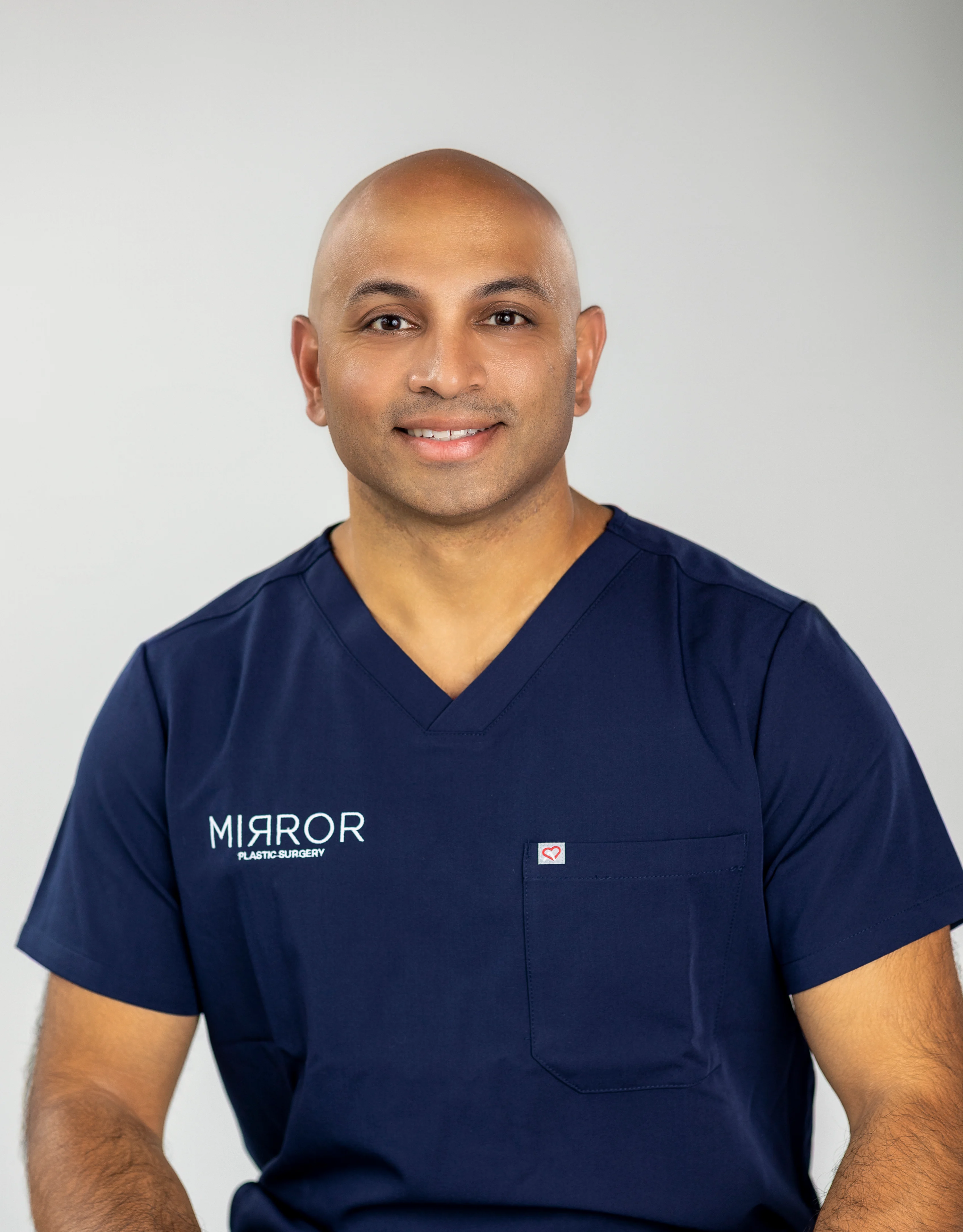
Dr. Akash’s approach to patient care is rooted in education and transparency. He breaks down the physiology behind each recommendation in relatable terms, so clients understand not just what they are taking but why. He is committed to sourcing peptides from reputable providers, offering extensive one-on-one concierge support, and providing honest guidance, including telling clients when a treatment is not yet warranted.
Sexual Wellness Care In Tampa Bay
Patients can access this personalized sexual wellness care in person at the St. Petersburg office or remotely across the country. Mirror Plastic Surgery serves patients in person in the St. Petersburg and Tampa Bay area and remotely across the United States, including Hawaii and Alaska. Reach the practice here:
Address: 780 4th Ave S, St. Petersburg, FL 33701
Phone: 727-361-6515
Email: [email protected]
Frequently Asked Questions
Are Peptides FDA-Approved?
Some peptides are FDA-approved for specific indications. PT-141 (bremelanotide) is FDA-approved as Vyleesi for acquired, generalized HSDD in premenopausal women, based on Phase 3 data described above. Kisspeptin has no FDA approval for any indication as of 2026 and remains investigational. Many other peptides used in wellness protocols are not FDA-regulated, though they have been studied in clinical trials spanning over a decade. The main safety concern involves products from unregulated sources without quality verification. At Mirror Plastic Surgery, peptides are sourced from reputable providers with batch testing, and every protocol is medically supervised by Dr. Akash Chandawarkar.
What Are The Risks Of Using Peptides Without Supervision?
The primary risk of obtaining peptides from unregulated online sources is the absence of third-party quality verification. As noted above, independent testing has repeatedly found mislabeled products in this market. Beyond product quality, unsupervised use means no screening for contraindications. PT-141, for example, is contraindicated in uncontrolled hypertension and known cardiovascular disease, and its transient blood pressure effects require baseline documentation. Without a physician reviewing your medical history, current medications, and lab results, there is no reliable way to determine whether a peptide is appropriate for your physiology, what dose is correct, or whether an adverse response requires clinical attention. Mirror Plastic Surgery provides in-depth consultation, lab panels, and direct ongoing access to Dr. Akash throughout the protocol.
What Can Sexual Wellness Peptides Help With?
Peptides can target several aspects of sexual wellness. In this context, PT-141 (bremelanotide) works centrally to enhance desire and arousal through melanocortin receptor pathways, while kisspeptin acts upstream of sex hormones to restore pulsatile GnRH signaling and has shown effects on limbic brain regions involved in sexual motivation. At Mirror Plastic Surgery, custom peptide stacks are built around each client’s labs and goals rather than a one-size-fits-all approach.
What Happens If I Stop Taking Peptides?
If peptide therapy is discontinued, effects generally diminish over time, similar to stopping any health regimen. For sexual wellness peptides, this means the central signaling support they provide, whether through melanocortin pathways or gonadotropin stimulation, will no longer be active, and baseline symptoms may return. For peptides that work by restoring hormonal signaling, such as kisspeptin, the hormonal environment that was supported by the protocol will revert to its prior state unless the root cause has been addressed through lifestyle or other interventions. Continued use through a maintenance protocol is often necessary to sustain the benefits achieved. Dr. Akash discusses realistic expectations and long-term planning at the outset of every protocol.
Will Everyone See The Same Results?
Results from peptide therapy vary significantly from person to person. Genetics, baseline hormonal status, lifestyle factors, the specific peptide protocol used, and whether underlying contributors to sexual dysfunction such as sleep disruption, medication side effects, or pelvic floor dysfunction have been addressed all influence outcomes. Clinical trial data for PT-141, for example, shows statistically significant improvements in desire scores at a population level, though effects on satisfying sexual events were inconsistent across trials (not significant versus placebo in the RECONNECT trials) and overall effect sizes were modest. Individual responses range from meaningful benefit to modest or inconsistent effect. This variability reinforces the need for a personalized approach that begins with a thorough evaluation including medical history and lab results. Mirror Plastic Surgery does not offer one-size-fits-all protocols.
Book A Consultation For Sexual Wellness Peptides
If you are ready to explore a lab-guided protocol for sexual wellness, the next step is a consultation. Mirror Plastic Surgery offers peptide protocols for concerns such as HSDD, hormone-related low desire, and arousal changes, all designed around your labs and supervised by Dr. Akash Chandawarkar.
Contact the practice at 780 4th Ave S, St. Petersburg, FL 33701, by phone at 727-361-6515, or by email at [email protected]. Consultations are available in person in Tampa Bay or remotely across the United States.
Book Your Sexual Wellness Consultation
*Disclaimer: Results may vary from person to person. Editorial content, before and after images, and patient testimonials do not constitute a guarantee of specific results.
