TB-500 Peptide
Written by: Dr. Akash Chandawarkar, Board Certified Plastic Surgeon, Mirror Plastic Surgery | Last updated: September 28, 2026
Key Takeaways
TB-500 is a synthetic 7-amino-acid fragment of thymosin beta-4 that is not FDA-approved for any human use and is prohibited under the 2026 WADA Prohibited List.
Preclinical animal studies suggest potential benefits for soft tissue repair, wound healing, and inflammation reduction, but no completed human randomized controlled trials exist for musculoskeletal indications.
TB-500 and BPC-157 work through distinct mechanisms and are often combined in the "Wolverine stack," though no controlled human trials have tested this combination.
Significant safety concerns include unknown long-term effects, theoretical cancer risk from angiogenesis, and widespread quality issues with gray-market peptide products.
Medically supervised peptide therapy with rigorous batch testing and individualized protocols is the only practical way to reduce the sourcing and dosing risks described in this article.
Book Your Peptide Consultation
Meet Your Physician: Dr. Akash Chandawarkar
Dr. Akash Chandawarkar, MD, founder of Mirror Plastic Surgery, is board certified by the American Board of Plastic Surgery and leads all peptide therapies personally. His education began at MIT, where he studied neuroscience and nuclear engineering, before he graduated with Honors from Harvard Medical School through the Harvard-MIT Division of Health Sciences and Technology. He completed a seven-year integrated plastic and reconstructive surgery residency at Johns Hopkins University and a Stanford University Biodesign Innovation Fellowship.
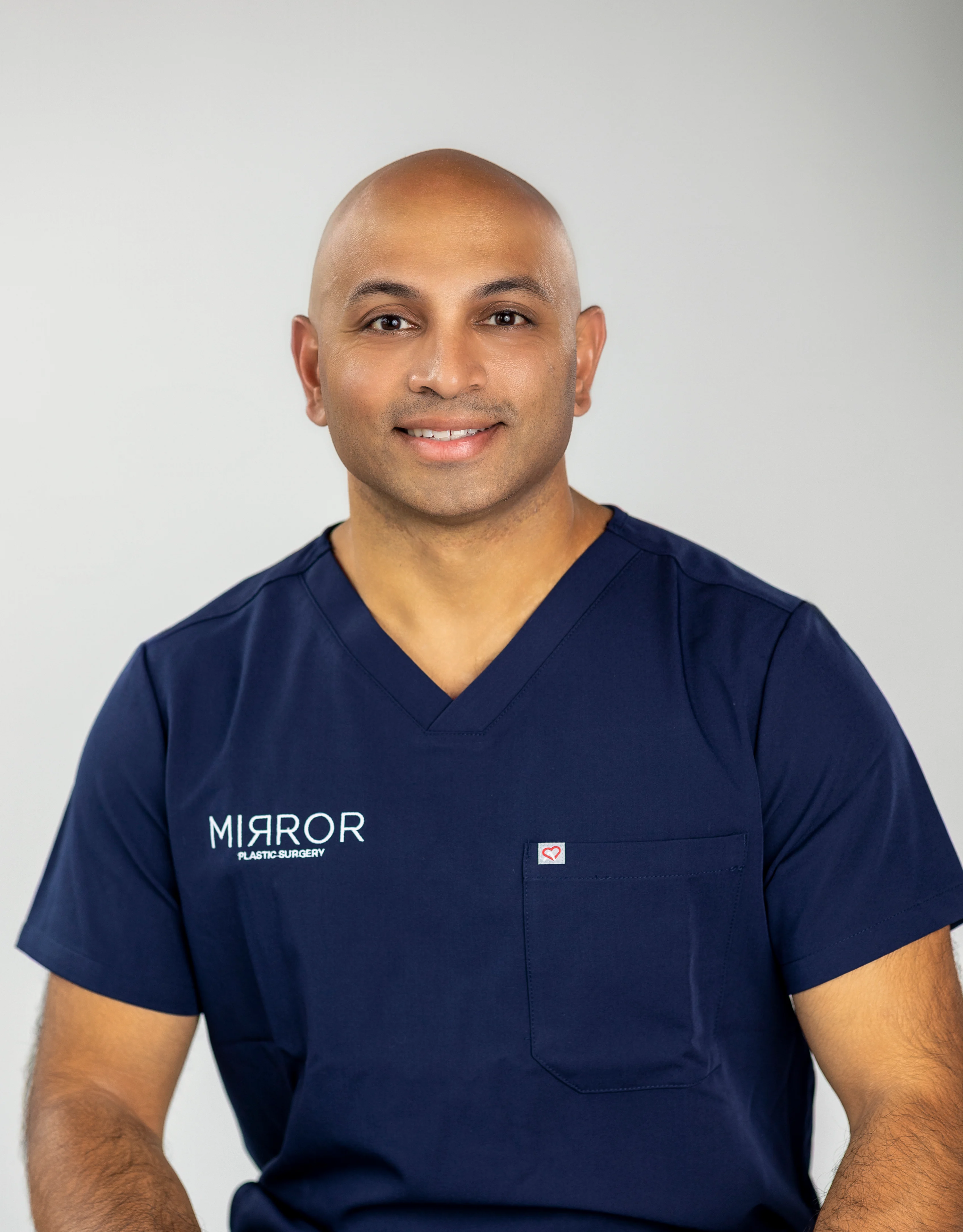
Dr. Akash designs every peptide protocol around each client's labs and physiology. His approach stays rooted in education and honesty. He explains the mechanism behind each recommendation in plain terms, tells patients when a therapy is not yet indicated for them, and prioritizes long-term outcomes over short-term revenue. That transparency is especially important in peptide therapy, where the gap between marketing claims and peer-reviewed evidence is often wide. To see that gap clearly, this article walks through what TB-500 is and what the published evidence does and does not show.
TB-500 Education: What It Is and What the Evidence Shows
TB-500 is a synthetic N-terminal-acetylated fragment corresponding to residues 17 through 23 of thymosin beta-4, with the sequence Ac-LKKTETQ-OH, covering the parent protein's actin-binding domain. Full-length thymosin beta-4 is a 43-amino-acid protein with a molecular weight of approximately 4,963 Da. The TB-500 fragment has a molecular weight of approximately 843 Da, roughly one-sixth the size. That size difference means the fragment and the full-length protein behave differently in the body. The two molecules are not interchangeable. Many products sold online as "TB-500" actually contain full-length thymosin beta-4; some contain the true fragment, and others contain neither.
The proposed mechanism centers on actin regulation and angiogenesis. TB-500 binds monomeric G-actin via a WH2 domain, sequestering free actin monomers to maintain a pool for rapid cytoskeletal reorganization during cell migration and repair. Downstream effects include activation of the ILK-PI3K-Akt survival axis, upregulation of VEGF-mediated angiogenesis, and suppression of NF-κB-dependent inflammatory signaling. A 2015 paper by Hinkel and colleagues in the Journal of Molecular and Cellular Cardiology identified the C-terminal AGES domain of thymosin beta-4, rather than the actin-binding region covered by TB-500, as the primary driver of post-ischemic cardiac benefit. The strongest cardiac animal findings for full-length thymosin beta-4 may therefore not apply to the TB-500 fragment.
The distinction between TB-500 and full-length thymosin beta-4 matters critically for interpreting the human evidence. The most rigorous human data for any thymosin beta-4-derived therapy comes from RegeneRx's ophthalmic program RGN-259, a 2015 Phase 2 double-masked placebo-controlled RCT by Sosne, Dunn, and Kim in Cornea, which found a 35.1% reduction in ocular discomfort and a 59.1% reduction in corneal fluorescein staining in 9 patients with severe dry eye, using topical full-length Tβ4, not injected TB-500. A 2024 Phase 3 trial of RGN-259 for neurotrophic keratopathy failed to meet its primary endpoint of complete corneal healing at 4 weeks, and no NDA or BLA has been filed for any thymosin beta-4 indication as of 2026.
On the musculoskeletal side, a 2025 review by DeFoor and Dekker in Arthroscopy examined injectable therapeutic peptides including TB-500 and BPC-157 in regenerative medicine and sports performance, noting that human RCT data for TB-500 in musculoskeletal indications does not exist. Animal models such as rat Achilles tendon laceration, mouse hindlimb ischemia, and diabetic wound healing show accelerated repair, improved collagen organization, and increased capillary density. These findings are mechanistically compelling, but they remain animal data. Human trial evidence is still needed before they can guide clinical decisions.
TB-500 vs. BPC-157 and the Wolverine Stack
TB-500 and BPC-157 are frequently discussed together, yet they are structurally unrelated and act through distinct mechanisms. BPC-157 is a synthetic 15-amino acid pentadecapeptide derived from a partial sequence of a human gastric juice protein, with proposed mechanisms centering on nitric oxide pathways, VEGFR2-Akt-eNOS signaling, and FAK-paxillin-mediated fibroblast migration, which differs from TB-500's actin-sequestration and angiogenesis mechanism. TB-500 drives cell migration by releasing sequestered G-actin for rapid cytoskeletal reorganization. BPC-157 promotes angiogenesis and growth factor upregulation through extracellular receptor signaling.
The table below summarizes how the two peptides differ across mechanism, preclinical use case, human evidence quality, and regulatory status.
Feature | TB-500 | BPC-157 |
|---|---|---|
Primary Mechanism | G-actin sequestration, ILK-Akt survival signaling, NF-κB suppression | VEGFR2 activation, nitric oxide/eNOS axis, Egr-1 transcription factor upregulation |
Primary Preclinical Use Case | Dermal wound healing, soft tissue repair, angiogenesis in ischemic models | Tendon, ligament, and gastrointestinal healing in rodent models |
Human Evidence Quality | No completed human RCT for the injected fragment; parent molecule reached Phase 3 in ophthalmology | |
Regulatory Status (US/WADA) |
The "Wolverine stack" of BPC-157 combined with TB-500 is the most popular healing peptide combination in biohacking communities. TB-500 works primarily through actin-mediated cell migration, physically moving fibroblasts and progenitor cells to the injury site. BPC-157 drives angiogenesis and growth factor upregulation. Because the two mechanisms are complementary, the combination is widely used. No controlled human trial has tested the combination. The rationale rests on mechanistic plausibility rather than demonstrated additive benefit in humans.
Mirror Plastic Surgery's Glow Stack of GHK-CU, BPC-157, and TB-500 is designed for patients seeking systemic inflammation reduction alongside soft tissue repair and collagen and elastin support. GHK-CU contributes to collagen and elastin production and skin, hair, and nail health. BPC-157 targets muscle, tendon, ligament, and joint repair. TB-500 addresses soft tissue inflammation and wound repair. When labs and clinical history indicate it, this combination becomes part of a supervised protocol tailored to the individual patient.*
Supervision matters most where the evidence is thinnest. The next section addresses the safety questions that most peptide vendors leave unanswered.
Safety, Side Effects, and the Questions Competitors Dodge
How Does TB-500 Affect the Heart?
A landmark 2004 study by Bock-Marquette and colleagues in Nature demonstrated that intracardiac thymosin beta-4 activates integrin-linked kinase, promotes cardiomyocyte migration and survival, and improves cardiac function after experimental myocardial infarction in mice. These findings generated significant interest in thymosin beta-4 for cardiac repair. But that interest may not extend to TB-500 specifically. A 2015 paper by Hinkel and colleagues identified the C-terminal AGES domain, rather than the actin-binding region covered by TB-500, as the primary driver of post-ischemic cardiac benefit. The cardiac-repair biology from the strongest animal studies may not transfer to the TB-500 fragment at all. No human cardiac efficacy trial of the injected TB-500 fragment has been conducted.
Can I Take TB-500 Every Day?
The most commonly reported off-label TB-500 protocol involves a loading phase of 2.0 to 2.5 mg subcutaneously twice per week for 4 to 6 weeks, followed by a maintenance dose of 2.0 to 2.5 mg once every 7 to 14 days, derived from practitioner case series and pharmacokinetic modeling rather than controlled trials. Daily dosing has no published human pharmacokinetic basis. No human study has characterized the bioavailability, half-life, or tissue distribution of subcutaneous TB-500. Any dosing protocol therefore reflects clinical judgment and requires physician oversight rather than a forum-derived schedule.
Does TB-500 Raise Testosterone?
TB-500 is not a growth hormone secretagogue, strength or endurance enhancer, testosterone booster, or hormone modulator; it does not stimulate GH, IGF-1, the pituitary axis, the HPG axis, or androgen receptors, and its function is tissue repair rather than performance enhancement. Claims linking TB-500 to testosterone elevation have no mechanistic or clinical basis.
Does TB-500 Increase Hair Growth?
Thymosin beta-4 promotes hair growth in both normal and aged rodents by activating hair follicle stem cells in the bulge region and increasing angiogenesis around follicles, accelerating the transition from telogen to anagen phase. This is mouse-only data. No controlled human trial has evaluated TB-500 or thymosin beta-4 for hair growth. The signal remains preliminary and should not be treated as established efficacy.*
Can You Inject TB-500 into Muscle?
No evidence supports site-specific injection for TB-500; thymosin beta-4 works systemically through bloodstream distribution, so subcutaneous injection anywhere should theoretically provide the same effect, though human pharmacokinetic studies are lacking. Subcutaneous injection is the standard research protocol. Intramuscular injection is used in some animal studies but carries additional risks in unsupervised settings.
What Are the Side Effects of TB-500?
According to a September 2026 ToxCard review by emergency medicine physicians at Carolinas Medical Center, the adverse effects of TB-500 are formally unknown; only sites promoting its use discuss possible injection-site reactions, headache, or fatigue. Published Phase I/II data for full-length thymosin beta-4 show a generally favorable acute tolerability profile, but that data applies to pharmaceutical-grade topical or intravenous formulations, not subcutaneous injections of research-grade TB-500 fragment. Documented and theoretical concerns include the following:
Injection-site reactions: redness, swelling, and tenderness, reported in a minority of users across both clinical trials and community reports. These are the most common and least serious effects.
Fatigue and head pressure: commonly reported in the first 24–72 hours of a loading phase and typically transient. These symptoms usually resolve as the body adjusts.
Allergic or anaphylactic reactions: a documented case involved a 24-year-old male who developed facial swelling, dyspnea, and a diffuse erythematous rash approximately 30 minutes after self-administering a Wolverine stack purchased online. This represents a rare but potentially life-threatening reaction.
Contamination and endotoxin risk: Finnrick, a peptide testing laboratory in Texas, found that approximately one-third of the thousands of products it analyzed failed basic quality checks for identity, purity, or quantity. This quality gap increases the risk of fever, sepsis, and other toxin-related complications.
Unknown long-term effects: no long-term carcinogenicity bioassay of TB-500 following ICH S1B guidelines has been published, so long-term safety remains uncertain.
Legal Status, Anti-Doping, and Sourcing Risks
TB-500 is not FDA-approved for any human indication. On July 23, 2026, the FDA's Pharmacy Compounding Advisory Committee voted 8–6 to recommend that TB-500 be permitted for compounding under Section 503A, an advisory recommendation rather than drug approval, and TB-500 is still not on the 503A bulks list. Actual placement on the compoundable list requires notice-and-comment rulemaking that realistically runs eight to twelve months, leaving licensed US compounding pharmacies without clear authorization to prepare TB-500 for human use.
WADA explicitly prohibits thymosin beta-4 and its fragments, including TB-500, under Section S2.3 of the 2026 Prohibited List at all times, in and out of competition. Military service members are also covered by this prohibition through Department of Defense adoption of WADA prohibited categories.
The sourcing risks of gray-market TB-500 are real and documented. Scott Brunner, CEO of the Alliance for Pharmacy Compounding, confirmed that no CGMP-compliant active pharmaceutical ingredient for these peptides is known to exist. Health Canada's 2026 public advisory lists TB-500 among unauthorized injectable peptide drugs seized by the agency, warning that such products may contain too much, too little, or none of the active ingredient, and may contain contaminants including bacteria, fungi, endotoxins, heavy metals, and glass particles.
Mirror Plastic Surgery sources peptides from reputable providers with rigorous batch testing, provides physician-supervised protocols built from individual lab results, and offers 24/7 direct access to Dr. Akash Chandawarkar. That infrastructure addresses quality, dosing, and safety concerns that gray-market sourcing cannot match.
What Sets Mirror Plastic Surgery Apart
Mirror Plastic Surgery operates on a concierge medicine model that gives patients more time and access. Each consultation can last up to an hour, the practice performs only one to two procedures per day, and patients have direct physician access throughout every protocol. That model exists to serve a single guiding principle: safety first, function second, aesthetics third. This framework applies equally to surgical and non-surgical treatments, including peptide therapy.
Online peptide vendors typically sell lyophilized powder with no clinical context, and many high-volume telemedicine clinics rely on one-size-fits-all prescriptions. Mirror Plastic Surgery instead provides in-depth lab analysis, custom peptide stacks built from individual lab results and health history, and ongoing concierge support. Peptides are sourced from reputable providers with rigorous batch testing, a critical distinction once you understand the sourcing and contamination risks described above.
Schedule Your Concierge Consultation
Medically Supervised Peptide Therapy At Mirror Plastic Surgery
Good candidates for medically supervised peptide therapy evaluation include post-surgical patients seeking to reduce inflammation and support healing, athletes with soft tissue injuries unresponsive to standard care, and individuals with chronic inflammatory conditions. Every candidate at Mirror Plastic Surgery undergoes a comprehensive consultation and, where indicated, lab panels before any protocol begins.*
Every peptide consultation at Mirror Plastic Surgery starts with a 30–60 minute session with Dr. Akash Chandawarkar covering full medical history, current medications, and health goals. Where indicated, particularly for weight management, inflammatory conditions, or hormonal concerns, lab panels covering thyroid, liver, kidney, diabetes markers, and hormone levels are reviewed or ordered before any protocol is initiated.
Custom peptide stacks are then built from those results. TB-500 may be indicated as a standalone protocol for soft tissue inflammation and wound repair, or as part of the Glow Stack alongside GHK-CU and BPC-157 for patients seeking systemic inflammation reduction, collagen and elastin support, and soft tissue repair. Post-surgical patients at Mirror Plastic Surgery can access peptide protocols designed to reduce inflammation and support healing as a complement to their surgical care.*
Patients receive detailed reconstitution and self-administration instructions, often with video demonstrations. Dr. Akash is available via text for ongoing questions, refill requests, and protocol adjustments. The entire process, from consultation to prescription and shipping, can take place in person in St. Petersburg, Florida, or remotely across the United States, including Hawaii and Alaska.
Start Your Supervised Peptide Protocol
Frequently Asked Questions
Is TB-500 FDA-Approved?
No. TB-500 is not FDA-approved for any human indication. As described in the legal status section, the FDA's Pharmacy Compounding Advisory Committee issued an advisory vote in 2026, but the FDA has not completed the rulemaking required to authorize compounding, and TB-500 is not on the 503A bulks list. TB-500 is also not an investigational new drug with an active IND filing. Full-length thymosin beta-4 has progressed through Phase 2 and Phase 3 ophthalmic trials under the designation RGN-259, but no version of thymosin beta-4 or TB-500 has received FDA approval for any indication as of 2026.
Is TB-500 Better Than BPC-157?
Neither peptide is superior in an absolute sense. They act through different mechanisms and address different aspects of the repair cascade. TB-500 focuses on cell migration through actin-related pathways. BPC-157 focuses on angiogenesis and growth factor signaling. For soft tissue injuries and post-surgical recovery, physicians often combine them because their mechanisms are complementary rather than redundant. TB-500's parent molecule has a more extensive human clinical trial record than BPC-157's parent protein, which has no comparable clinical program. Neither has a completed human RCT for musculoskeletal indications. The choice between them, or the decision to combine them, should be made by a physician based on individual labs, history, and goals, not forum consensus.
How Does TB-500 Affect the Heart?
The cardiac interest in thymosin beta-4 stems from landmark 2004 and 2007 Nature studies showing that full-length Tβ4 reduces infarct size, activates epicardial progenitor cells, and promotes neovascularization in mouse myocardial infarction models. As noted earlier, the Hinkel paper found that the cardiac benefit comes from a domain TB-500 does not cover. This means the cardiac-repair findings from the strongest animal studies may not apply to the TB-500 fragment. No human cardiac efficacy trial of injected TB-500 has been conducted. Patients with active cardiovascular disease should use TB-500 only within a medically supervised protocol that includes appropriate screening.
Can You Inject TB-500 into Muscle?
Subcutaneous injection is the standard protocol in both research settings and community use. Thymosin beta-4 works systemically through bloodstream distribution, so the injection site does not need to be near the injury. Intramuscular injection appears in some animal studies but is not standard for human protocols and carries additional risks in unsupervised settings. No published human pharmacokinetic study has characterized the absorption, distribution, metabolism, or excretion of subcutaneous TB-500, so all injection-site guidance is extrapolated from animal data and general peptide pharmacology rather than direct human evidence.
What Are the Risks of Using TB-500 Without Medical Supervision?
The risks fall into five categories:
Product quality: approximately one-third of peptide products tested by independent laboratories fail basic quality checks for identity, purity, or quantity. A vial labeled TB-500 may contain full-length thymosin beta-4, a different peptide fragment, or nothing at all.
Contamination: gray-market injectable peptides may contain bacterial endotoxins capable of triggering fever or septic shock, heavy metals, residual solvents, and microbial growth. These contaminants bypass the body's defenses when injected.
Dosing uncertainty: no human pharmacokinetic data exists for the TB-500 fragment, so any self-directed dosing protocol amounts to guesswork.
Screening gaps: TB-500's pro-angiogenic mechanism is a relative contraindication in patients with active or recent malignancy, hereditary cancer syndromes, or active cardiovascular disease. Identifying these conditions requires physician screening.
Drug interactions: no formal pharmacokinetic drug interaction studies have been published for TB-500. Potential interactions with other medications therefore remain undefined.
Medical supervision at Mirror Plastic Surgery addresses these categories through lab panels, batch-tested sourcing, individualized protocols, and ongoing physician oversight.
Book A Consultation
Mirror Plastic Surgery offers advanced peptide therapies for concerns ranging from inflammation and autoimmune conditions to weight management and anti-aging. A consultation gives you a clear, personalized plan based on your history, labs, and goals.
Mirror Plastic Surgery is located at 780 4th Ave S, St. Petersburg, FL 33701. Phone: 727-361-6515. Email: [email protected]. Remote consultations are available across the United States, including Hawaii and Alaska.
Book Your Peptide Consultation
*Disclaimer: Results may vary from person to person. Editorial content, before and after images, and patient testimonials do not constitute a guarantee of specific results.
