Written by: Dr. Akash Chandawarkar, Board Certified Plastic Surgeon, Mirror Plastic Surgery | Last updated: September 9, 2026
Key Takeaways
- Lip filler recovery follows a predictable timeline with peak swelling at 24–48 hours and most visible swelling resolved within 10–14 days.1
- Consistent aftercare, including cold compresses, head elevation, and avoiding alcohol, exercise, and blood thinners, can shorten recovery time by up to 30%.1
- Most side effects like temporary lumps, asymmetry, and emotional ups and downs are normal and resolve by day 14.1 Recognizing normal healing versus complications helps reduce anxiety.
- Final results appear at 2–4 weeks once swelling subsides and filler fully integrates, with typical longevity of 6–12 months depending on product and lifestyle.1
- Selecting a qualified injector is crucial for minimizing complications and achieving natural-looking results.
The First 24 Hours: What To Expect Right After Your Appointment
Your body’s inflammatory response starts as soon as the injections are complete. Lips typically appear 20–30% larger immediately after treatment than the final result because of filler volume and early swelling.1 Redness at injection sites, tenderness, and small pinpoint bruises are all common within the first hour.
Focus on simple steps during the first day to keep swelling controlled and support healing.
- Apply cold compresses wrapped in cloth, never ice directly on skin, for 10–15 minutes per hour to ease swelling and discomfort.
- Keep your head elevated, including while sleeping, so fluid drains away from the lips.
- Avoid touching, pressing, or manipulating the lips so the filler can settle into the tissue.
- Stay hydrated and drink plenty of water to support filler integration.
Unevenness or an overfilled look during this window is expected. The lips you see tonight will look different once swelling settles over the next two weeks.
Lip Filler Recovery Day By Day: Your Complete Timeline
Lip filler recovery follows a clear pattern for most patients. Swelling peaks at 24–48 hours and resolves over 10–14 days, while full filler integration can take up to four weeks.1 Metabolism, filler type, injection technique, volume, and lifestyle all influence your exact pace.
- Days 1–2 — Peak Swelling: Swelling reaches its maximum. Lips may appear 30–50% larger than the actual filler volume because of water retention and inflammation. The upper lip often swells more than the lower, which can create a temporary “duck lip” shape. Bruising may appear. Continue cold compresses, sleep elevated, and avoid salty foods and alcohol.
- Days 3–4 — Swelling Begins To Subside: Swelling decreases by approximately 30–40% and lips start to feel softer. Your new shape begins to show. Bruising may peak, then shift from purple or blue to yellow-green. You can resume gentle daily activities while still avoiding strenuous exercise.
- Days 5–7 — Noticeable Improvement: Swelling is reduced by roughly 70%, and the Cupid’s bow regains definition. Most people feel comfortable at work and in social settings. Lips may still feel slightly firm. Full workouts usually feel fine again.
- Days 8–14 — Settling Phase: About 90–95% of the final lip size is visible. Residual firmness softens. Shape and symmetry look clearer, and minor swelling-related lumps usually smooth out. Schedule a follow-up if anything still worries you.
- Days 14–30 — Final Results: Fillers reach their final shape and hydration state at around 14 days. Integration with surrounding tissue continues and is typically complete by four weeks. This is the time to assess your results and discuss any touch-ups.
Lip Filler Aftercare: Do’s And Don’ts For A Smoother Recovery
Now that you have a sense of the healing timeline, you can match your actions to each stage. Following aftercare instructions closely is the most reliable way to support a smooth recovery. Consistent aftercare can shorten lip filler recovery time by up to 30%.1
To protect your results and limit swelling, focus on these do’s in the first few days.
- Apply cold compresses wrapped in cloth for 10–15 minutes per hour during the first 24–48 hours. Direct ice contact can irritate skin.
- Sleep with your head elevated on extra pillows for the first 2–3 nights to reduce morning puffiness.
- Stay hydrated and aim for at least 64 ounces of water daily to support filler integration.
- Take Arnica Montana if your provider recommends it to help with bruising and swelling.
- Use acetaminophen (Tylenol) for discomfort, since NSAIDs thin the blood and increase bruising risk.
- Be gentle when washing your face and pat dry instead of rubbing near the lips.
Avoid activities that increase blood flow, pressure, or irritation around the lips, since these can worsen swelling, bruising, or filler movement.
- Avoid vigorous exercise for 24–48 hours, because elevated heart rate and vascular pressure worsen swelling and bruising.
- Avoid alcohol for at least 24 hours, as alcohol dilates blood vessels and can increase swelling and bruise size.
- Avoid straws, smoking, and vaping for 24 hours, since suction and pursing can shift filler before it settles.
- Avoid kissing or firm pressure on the lips for 24 hours so the product can stabilize.
- Avoid facials, chemical peels, and laser treatments for 2 weeks, because these trigger inflammation that can interact with filler.
- Avoid blood-thinning medications such as ibuprofen, aspirin, fish oil, and vitamin E unless your doctor approves them.
- Avoid sleeping face down, since pillow pressure on freshly treated lips can affect placement.
- Avoid excessive heat from saunas, steam rooms, or hot yoga for 48–72 hours, as heat expands blood vessels and makes swelling more noticeable.
- Avoid lipstick or makeup for at least 24 hours, because injection sites act like tiny open wounds that need time to close.
- Avoid dental work for 2 weeks, since stretching and pressure from dental procedures can disturb filler placement.
How To Support Faster, More Comfortable Lip Filler Recovery
You cannot force your body to heal instantly, yet you can create conditions that help swelling resolve and filler integrate smoothly.
To speed recovery, focus on habits that limit inflammation and support circulation.
- Prioritize hydration: Fillers bind to water molecules, so drinking enough water helps the product settle and may reduce prolonged swelling.
- Use cold therapy as needed: Cold compresses can still help beyond the first 24 hours if swelling lingers.
- Limit salt intake: High-sodium foods cause water retention, which can prolong swelling.
- Ask about bromelain: This pineapple-derived enzyme has anti-inflammatory properties and may reduce swelling. Some providers suggest 500 mg twice daily for 5 days when appropriate.
- Maintain an elevated sleep position: Keeping your head raised for the first 3–5 nights helps minimize morning swelling.
- Incorporate gentle movement: Light walking supports lymphatic drainage without raising your heart rate too much.
- Follow your provider’s instructions closely: Consistent, precise aftercare remains the most effective way to support a smooth recovery.
What I Wish I Knew Before Getting Lip Fillers
Lip filler recovery affects both your appearance and your emotions. Dr. Chandawarkar guides patients through this process every day and sees the same themes repeat, from early swelling worries to relief once results settle. Based on that experience, these insights help set realistic expectations.
- The “Overfilled” Look Is Temporary: Nearly every patient worries they went too far in the first 48 hours. As noted earlier, lips can look significantly larger because of overnight fluid accumulation. Swelling can make lips appear dramatically fuller than the final result. Wait until day 14 before deciding how you feel.
- Lumps Are Common Early On: During the first 72 hours, many people feel bumps or ridges from swelling. Most smooth out within 1–2 weeks. Firm, painful, or enlarging lumps beyond two weeks deserve a call to your provider.
- Asymmetry Often Improves With Time: Asymmetric swelling within the first 5 days is common and evens out in most cases by days 5–7. Swelling can also exaggerate pre-existing asymmetry, so patience matters.
- The Emotional Rollercoaster Is Real: In the first week, it is normal to swing from “I love them” to “What have I done?” The first week often feels like an emotional rollercoaster. These feelings usually settle as your lips do.
- Final Results Look Subtler: Once swelling resolves, many patients feel they could have added a bit more volume. Gradual enhancement over several sessions often creates the most natural, satisfying outcome.
- Your Injector Shapes Your Entire Experience: The skill of your injector influences your results, your risk of complications, and how supported you feel during recovery. A board-certified plastic surgeon offers anatomical expertise that supports safe, natural-looking lips.
Schedule a consultation to discuss your goals with Dr. Chandawarkar and plan a lip filler approach that fits your features and lifestyle.
When To Worry About Lip Filler Complications
Most side effects stay mild and temporary, such as short-term swelling, bruising, or tenderness. Certain symptoms, however, signal a problem and need urgent medical attention.
- Severe, escalating pain that worsens instead of improving after 24 hours. Disproportionate pain can indicate vascular occlusion.
- White, blue, or mottled skin on or around the lips. Skin blanching followed by dusky discoloration suggests impaired blood flow and counts as an emergency.
- Fever, pus, or spreading redness and heat. Increasing redness, warmth, swelling, or tenderness after the first few days can signal infection.
- Blistering or ulceration of the skin, which indicates tissue injury and requires emergency-level care.
- Sudden vision changes or severe headache. The FDA advises immediate medical attention for vision changes or stroke symptoms after filler.
- Swelling that returns after it first improves, since this pattern falls outside typical settling.
- Difficulty breathing or throat tightness, which may indicate an allergic reaction or anaphylaxis and needs emergency care.
Vascular occlusion remains rare but serious and needs prompt treatment with hyaluronidase to dissolve filler and restore blood flow. Delays can cause tissue damage. Mirror Plastic Surgery’s concierge model gives patients direct access to Dr. Chandawarkar when concerns arise. When anything feels off, call so your symptoms can be evaluated quickly.
Long-Term Results And Maintenance
Once you move past the early healing phase and any concerns are addressed, you can focus on enjoying your new lips. Final results usually appear at 2–4 weeks, when swelling resolves and the filler fully integrates with tissue.1 Lip fillers typically last 6–12 months,1 depending on product choice, metabolism, and lifestyle. Many patients plan touch-ups around 6–9 months to maintain their look.
Dr. Chandawarkar’s philosophy centers on natural-looking enhancement that fits your facial features and proportions. A skilled injector builds volume gradually across sessions to create soft, balanced results that age gracefully with your face.
Why Choose A Board-Certified Plastic Surgeon For Lip Fillers?
The lips are among the most vascular and anatomically complex areas of the face, so experience matters. The biggest risk factor for lip filler complications is an inexperienced or unqualified injector. Anatomical expertise is essential for safe, attractive results.
Dr. Akash Chandawarkar brings a level of training that is uncommon in the injectable space.
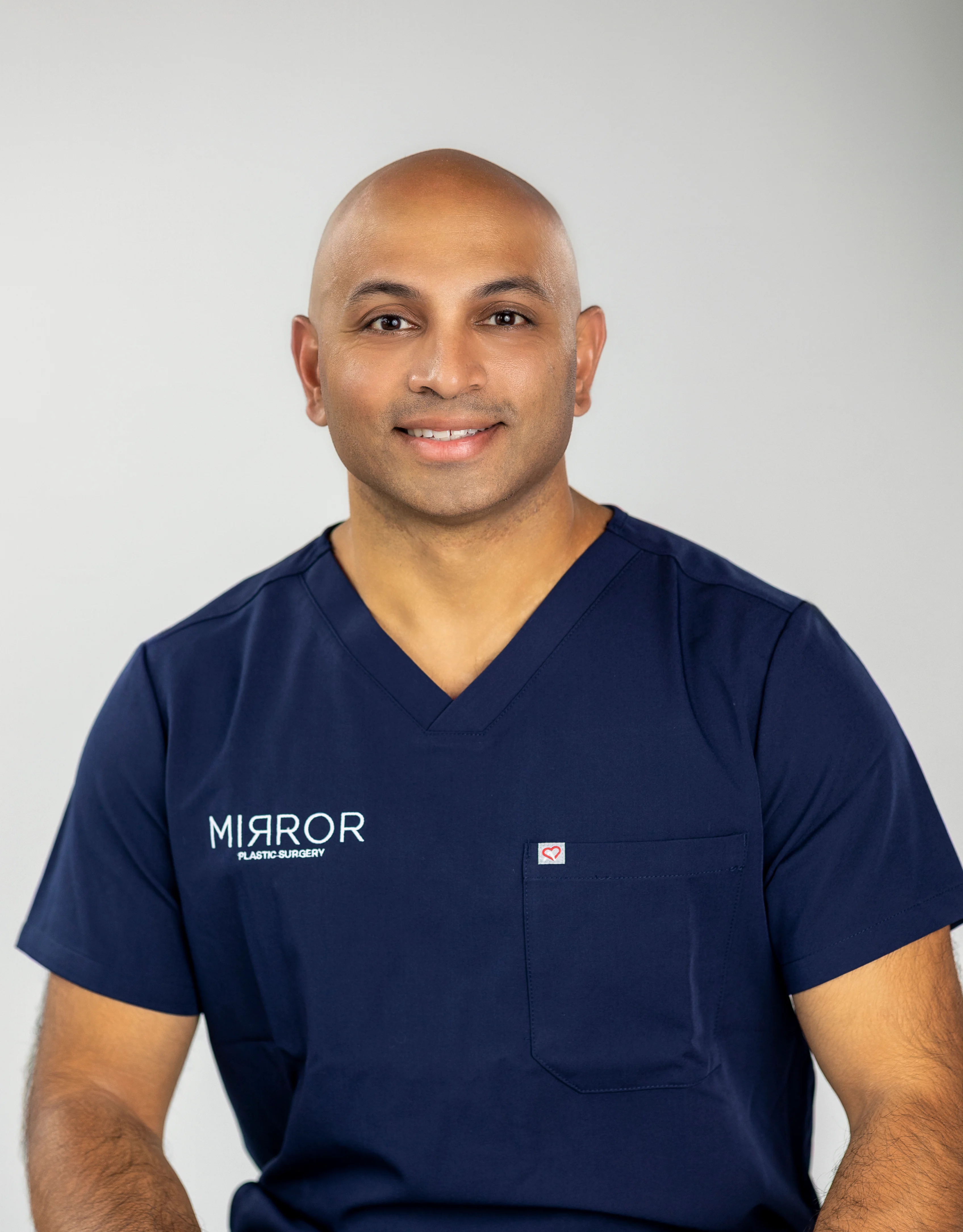
- Board-certified by the American Board of Plastic Surgery.
- Harvard-educated physician with medical innovation training at Stanford University.
- Johns Hopkins-trained plastic surgeon with extensive reconstructive and aesthetic experience.
- Fellowship-trained in aesthetic surgery at Manhattan Eye Ear & Throat Hospital and Lenox Hill Hospital.
- Personally performs all injections, placing every neuromodulator and dermal filler himself with a surgeon’s command of facial anatomy.
- Advisory board member for Merz Aesthetics and Tiger Aesthetics, keeping him current on injectable advances.
Mirror Plastic Surgery’s concierge model includes up to hour-long consultations, tailored treatment plans, and direct access to Dr. Chandawarkar before, during, and after your procedure. This physician-led approach replaces rushed, high-volume visits with thoughtful care and clear communication.
Experience physician-led care by booking your consultation and learn how lip fillers can be customized for you.
Frequently Asked Questions
How Long Does Lip Filler Swelling Last?
Peak swelling usually appears 24–48 hours after injections. Swelling decreases noticeably by days 5–7, and most visible swelling resolves within 10–14 days. Final results become clear at around 3–4 weeks, once filler fully integrates with the tissue. Metabolism, filler type, volume, alcohol use, salt intake, and exercise habits all influence your personal timeline.
Can I Wear Makeup After Lip Fillers?
Wait at least 24 hours before applying lipstick, lip liner, or any lip makeup. Injection sites act as tiny wounds that need time to close, and applying cosmetics too early can introduce bacteria and raise infection risk. After 24 hours, apply and remove products gently around the lips.
When Can I Exercise After Lip Fillers?
Avoid strenuous exercise for 24–48 hours after treatment. Elevated heart rate and blood pressure send more blood to the face, which can worsen swelling and bruising. Light walking works well during this period and may support lymphatic drainage. Most people can return to full workouts after 48 hours if swelling continues to improve.
What Are The Signs Of A Lip Filler Infection?
An infected lip often looks red, swollen, and warm to the touch, and these symptoms worsen instead of improving after the first few days. Additional warning signs include pus or discharge at injection sites, fever, swollen lymph nodes, and feeling generally unwell along with lip symptoms. If symptoms persist beyond 72 hours or worsen after an initial improvement, contact your provider immediately so they can evaluate you.
When Will I See The Final Results Of Lip Fillers?
Most people see their final results between 2 and 4 weeks, once swelling fully resolves and the filler settles into surrounding tissue. Judging your lips before the 2-week mark can feel discouraging, because the inflammatory phase often makes them look larger and less defined than the final outcome. Many patients who consider dissolving their filler in the first week feel satisfied once swelling fades. A follow-up visit at two weeks lets your provider assess volume, symmetry, and any refinements.
Your Recovery, Your Results
Lip filler recovery follows a predictable pattern, yet it can still feel intense while you are in it. Swelling, temporary asymmetry, and emotional ups and downs are shared experiences for many patients. Learning the timeline, following evidence-based aftercare, and recognizing which symptoms are normal versus concerning can turn a stressful process into a more confident one.
Choosing a board-certified plastic surgeon like Dr. Chandawarkar means you have guidance at every step. From your first consultation through your two-week follow-up and beyond, Mirror Plastic Surgery’s concierge approach keeps your questions answered, your concerns addressed, and your results aligned with the natural, harmonious look you want.
Ready To Get Started?
Contact Mirror Plastic Surgery today to schedule your consultation with Dr. Chandawarkar.
- Phone: 727-361-6515
- Email: [email protected]
- Address: 780 4th Ave S, St. Petersburg, FL 33701
Contact us today to book your appointment and start planning your lip filler treatment.
Disclaimer: Results may vary from person to person. Editorial content, before and after images, and patient testimonials do not constitute a guarantee of specific results.
1 Results may vary from person to person. Editorial content, before and after images, and patient testimonials do not constitute a guarantee of specific results.