
Written by: Dr. Akash Chandawarkar, Board Certified Plastic Surgeon, Mirror Plastic Surgery | Last updated: September 9, 2026
Peptide therapy is reshaping how people approach skin health. Choosing the right provider protects your safety and helps you see real, lasting results. This guide walks you through seven clear steps so you can evaluate providers with confidence.
Key Takeaways
- Peptide therapy demand is surging for collagen and elastin support, yet many providers lack the medical oversight and quality standards needed for safe, effective treatment. This guide helps you separate reputable medical practices from generic peptide sellers.
- A reliable provider follows five essentials: board-certified physician oversight, lab-based personalization, sourcing from USP-compliant compounding pharmacies, skin-specific expertise, and ongoing concierge support throughout your protocol.
- GHK-Cu is the most researched peptide for skin health, with clinical studies showing meaningful improvements in wrinkle depth and elasticity.1 Combining it with BPC-157 and TB-500 can support both collagen production and systemic inflammation.
- Results build gradually over months, and ongoing maintenance preserves your gains. Consistent use supports collagen synthesis and helps you maintain smoother, firmer skin over time.
- Mirror Plastic Surgery offers physician-led peptide therapy for skin health, including customized Glow Stack protocols tailored to your goals and lab results.
Step 1: Understand How Peptides Work For Skin Health
Peptides are short chains of amino acids that signal cells to perform specific functions. For skin health, the most extensively studied compound is GHK-Cu (copper peptide), a naturally occurring tripeptide first isolated from human plasma by Loren Pickart in 1973. GHK-Cu plasma concentrations decline with age, from about 200 ng/mL in young adults to roughly 80 ng/mL by age 60, which has driven interest in its therapeutic use.
Mechanistically, GHK-Cu stimulates fibroblasts to produce Type I, Type III, and Type IV collagen and elastin via upregulation of TGF-β1 signaling. It also modulates matrix metalloproteinases in a coordinated fashion, breaking down damaged collagen while preventing excessive degradation of newly synthesized matrix. This activity supports tissue remodeling and healthier skin structure. Clinical data support meaningful outcomes: a 2015 randomized, double-blind study of 71 women aged 45–60 found topical GHK-Cu produced a 35% mean reduction in wrinkle depth and a 67% improvement in skin elasticity over 12 weeks1, compared to 4% and 9% in the vehicle-only control group. A separate 12-week trial reported a 55% reduction in periorbital wrinkle appearance1.
GHK-Cu is not the only peptide relevant to skin health. For example, BPC-157 and TB-500 address systemic inflammation, which indirectly affects skin quality by reducing the inflammatory burden that accelerates aging. A comprehensive skin protocol often combines multiple peptides and supports both local collagen production and whole-body healing.
Step 2: Apply The 5-Point Provider Scorecard
The following criteria create a simple scorecard you can use to evaluate any peptide provider, whether a local clinic, med spa, or telemedicine platform.
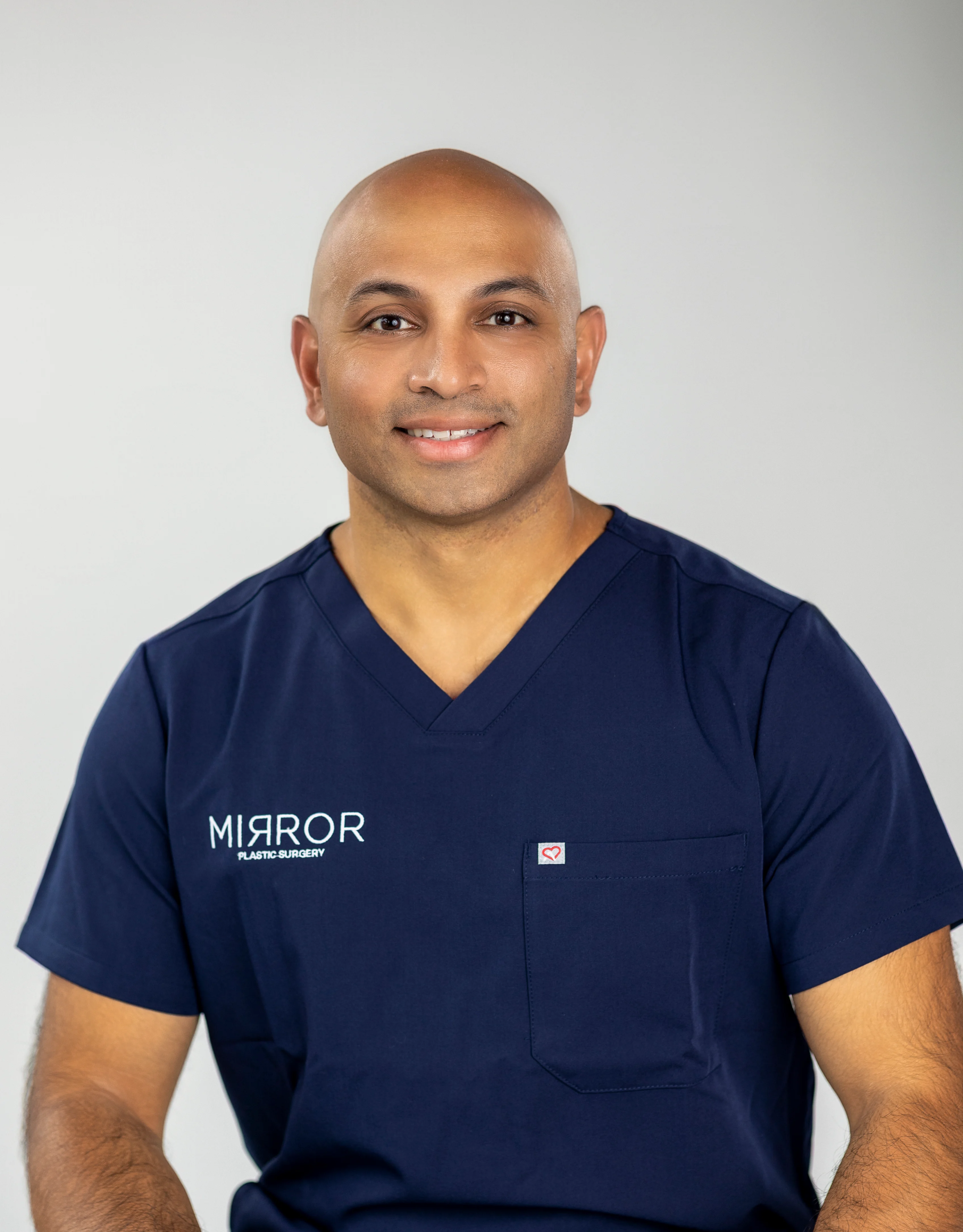
- Medical Oversight And Credentials. The prescriber should be a licensed physician, ideally board-certified, with training in aesthetics or regenerative medicine. In the United States, only MDs, DOs, and (in full-practice-authority states) NPs and supervised PAs can legally prescribe compounded peptides. Verify the prescriber’s license through your state medical board’s public lookup tool before booking. Dr. Akash Chandawarkar is board-certified by the American Board of Plastic Surgery, with a seven-year integrated residency at Johns Hopkins and fellowship training in aesthetic surgery at Manhattan Eye Ear & Throat Hospital.
- Personalization And Lab Testing. A legitimate provider conducts a thorough consultation and orders baseline labs before prescribing. At Mirror Plastic Surgery, Dr. Akash spends 30–60 minutes reviewing medical history, discussing goals, and evaluating lab panels such as thyroid, liver, kidney, diabetes markers, and hormone panels before designing any protocol.
- Sourcing And Quality Assurance. Most peptides are not FDA-regulated for cosmetic use, so quality control becomes critical. Providers should source from licensed 503A compounding pharmacies that meet USP 797 sterility standards and provide Certificates of Analysis confirming identity, purity of 98% or higher, sterility, and endotoxin testing. A 2014 analysis of commercial GHK-Cu products found peptide purity ranging from 42% to 96% despite identical label claims. Many over-the-counter products do not deliver the concentrations shown effective in clinical trials.
- Skin-Specific Expertise. The provider should focus on skin health outcomes and not treat peptides as a generic wellness add-on. Look for protocols designed specifically for collagen and elastin support, such as the Glow Stack at Mirror Plastic Surgery, which combines GHK-Cu, BPC-157, and TB-500 to address skin health from multiple biological angles.
- Concierge Support And Follow-Up. Peptide therapy benefits from monitoring, dosage adjustments, and ongoing support. A quality provider offers direct communication with the prescribing physician, clear instructions for reconstitution and self-administration, and a structured maintenance plan. At Mirror Plastic Surgery, patients receive 24/7 text access to Dr. Akash for questions and refill requests.
Step 3: Evaluate The Protocol: What The Glow Stack Offers
The Glow Stack at Mirror Plastic Surgery shows what a skin-specific peptide protocol can include. It combines three peptides that work together to address skin aging at several levels.
- GHK-Cu: Stimulates collagen and elastin production, reduces inflammation, and provides antioxidant benefits. Research indicates GHK-Cu increases Type I and Type III collagen gene expression by 70–90% at concentrations of 1–10 micromolar in cultured fibroblasts.1
- BPC-157: Targets systemic inflammation and supports tissue repair, easing inflammatory stress that accelerates visible skin aging. BPC-157 is generally the best-tolerated healing peptide, with no serious adverse events documented in the literature.
- TB-500: Addresses soft tissue inflammation and promotes wound healing, complementing GHK-Cu’s collagen-stimulating activity.
Each Glow Stack protocol is customized based on lab results and individual physiology. Mirror Plastic Surgery avoids one-size-fits-all prescriptions and accounts for systemic inflammation, healing capacity, and individual variation in collagen response.
Schedule a consultation to see if the Glow Stack peptide protocol fits your skin health needs.
Step 4: Understand The Risks Of Unsupervised Peptide Use
The main risk in peptide therapy comes from lack of regulation and medical supervision. A 2023 analysis found significant rates of mislabeling and contamination in gray market peptide products, while pharmacy-compounded products undergo mandatory batch testing for potency, sterility, endotoxin, and pH. The single greatest safety risk in peptide therapy is contamination from unregulated sources, which may contain bacterial endotoxins, heavy metals, incorrect peptide sequences, or inaccurate dosing.
Without medical oversight, patients may not receive proper screening for contraindications. Peptide therapy is contraindicated in active cancer, pregnancy, breastfeeding, and under age 18, with extra caution required for patients with a cancer history. Additionally, the FDA has placed BPC-157 and TB-500 on its Category 2 “difficult to compound” list, creating legal risk for providers who prescribe them without proper safeguards.
At Mirror Plastic Surgery, these risks are addressed through sourcing from reputable compounding pharmacies with batch testing, comprehensive lab panels before treatment, and ongoing medical support throughout the protocol.
Step 5: Set Realistic Expectations For Timeline And Maintenance
Peptide therapy for skin health works gradually. Some patients notice early changes in skin hydration and tone within weeks, while full collagen and elasticity benefits usually require several months of consistent use.1 A 28% average increase in subdermal echogenic density, a collagen-related skin firmness measure, was reported after three months of topical GHK-Cu use, with the top quartile of participants achieving a 51% improvement1. These results highlight meaningful gains and also show that individual responses vary.
Maintenance supports long-term results. A 2010 trial showed that improvements in wrinkle depth declined 50% within eight weeks after stopping GHK-Cu application1, which illustrates how ongoing use helps sustain collagen synthesis benefits. Dr. Akash provides detailed instructions and a maintenance plan at each stage of the protocol so patients understand how to preserve results over time.
Step 6: Compare Local And Remote Access Options
Mirror Plastic Surgery is located at 780 4th Ave S, St. Petersburg, FL 33701, serving the Tampa Bay area. For patients outside Florida, the practice offers remote consultations and ships peptides across the United States, including Hawaii and Alaska. Telehealth prescribing of most non-controlled peptides is federally legal and does not require a prior in-person visit. Physician-led concierge peptide therapy for skin health is therefore accessible regardless of geographic location.
The strongest provider for skin-focused peptide therapy combines medical expertise, personalized protocols, and verifiable quality standards. Proximity matters less than safety, experience, and support.
To schedule a consultation, call 727-361-6515 or email [email protected].
Step 7: Use Peptides To Complement Other Treatments
Peptide therapy pairs well with surgical and non-surgical aesthetic treatments. Peptides may aid post-surgical recovery by reducing inflammation and promoting healing, which makes them a useful adjunct to procedures like facelifts, laser resurfacing, or energy-based skin tightening.
At Mirror Plastic Surgery, this integrated approach allows patients to combine the Glow Stack with other treatments for comprehensive skin health management. This strategy aligns with trends showing that non-surgical regenerative aesthetics experienced strong growth in Q1 2026, reflecting growing interest in regenerative skin rejuvenation with less downtime.
Frequently Asked Questions
Which Peptide Is Best For Skin Health?
GHK-Cu is the most extensively studied peptide for collagen and elastin production, with clinical trials demonstrating significant improvements in wrinkle depth and skin elasticity. A combination protocol like the Glow Stack, which pairs GHK-Cu with BPC-157 and TB-500, may offer broader benefits because it supports both collagen production and systemic inflammation. The right choice depends on lab results, skin concerns, and overall health, so a physician-led consultation helps determine the safest and most effective plan.
What Does Injecting Peptides Do To Your Face?
Injectable peptides like GHK-Cu signal fibroblasts to produce collagen and elastin, the structural proteins that support skin firmness and resilience. Over time, this activity can improve skin texture, reduce wrinkle depth, increase dermal thickness, and enhance elasticity. Results develop gradually, since meaningful collagen remodeling typically takes several weeks to months of consistent use.1 Improvements require ongoing maintenance to continue, and outcomes depend on the peptide used, dosing protocol, and individual physiology.1
Are Peptides FDA-Approved?
Most therapeutic peptides used in skin health and anti-aging protocols are not FDA-approved for those specific indications. They are compounded medications available through licensed 503A pharmacies under a valid physician prescription. This regulatory status makes medical supervision and quality sourcing essential. Without a licensed prescriber and a pharmacy that provides Certificates of Analysis, patients have no reliable way to verify what they receive. Mirror Plastic Surgery sources all peptides from reputable compounding pharmacies with rigorous batch testing.
How Long Does It Take To See Results From Peptide Therapy For Skin?
Results vary significantly by individual. Some patients notice early changes in skin hydration and tone within the first few weeks. Full collagen and elasticity benefits, including measurable improvements in wrinkle depth, dermal density, and skin firmness, typically require several months of consistent use.1 Individual variation is substantial. In one clinical study, the top quartile of participants achieved more than double the average improvement in skin firmness.1 Genetics, baseline collagen levels, lifestyle, and protocol adherence all influence outcomes.
Can I Get Peptide Therapy Remotely?
Yes. Mirror Plastic Surgery offers remote consultations and ships peptides across the United States, including Hawaii and Alaska. The entire process, from the initial 30–60 minute consultation with Dr. Akash through lab review, protocol design, prescription, and ongoing support, can take place virtually. Patients receive 24/7 text access to Dr. Akash throughout their protocol, which provides concierge-level care regardless of location.
Conclusion: Your Path To Physician-Led Peptide Therapy For Skin Health
Choosing the best peptide therapy provider for skin health starts with clear standards for medical oversight, personalization, sourcing quality, skin-specific expertise, and ongoing support. The 5-point scorecard in this guide, which covers credentials, lab-based personalization, quality assurance, skin-focused protocols, and concierge follow-up, gives you a practical framework for evaluating providers in Tampa Bay and across the country.
Mirror Plastic Surgery meets every criterion, with physician-led protocols under board-certified plastic surgeon Dr. Akash Chandawarkar, personalized treatment plans based on comprehensive lab analysis, and peptides sourced from reputable compounding pharmacies with batch testing. The Glow Stack protocol targets collagen and elastin production while supporting systemic inflammation, addressing key drivers of visible skin aging.
Mirror Plastic Surgery’s physician-led approach ensures your peptide protocol aligns with your skin health goals and lifestyle. Schedule a consultation to explore how a tailored peptide plan can support smoother, firmer, healthier-looking skin over time.
Book an appointment with Ellie to begin your physician-led peptide therapy journey for skin health.
This article is for informational purposes only and does not constitute medical advice. Consult with a qualified healthcare provider to determine if peptide therapy is right for you.
1 Results may vary from person to person. Editorial content, before and after images, and patient testimonials do not constitute a guarantee of specific results.
Peptide therapy is intended for wellness and optimization purposes and is not prescribed to diagnose, treat, cure, or prevent disease unless specifically stated. Many peptides are not FDA-approved and may be used off-label. Some have limited long-term safety data, with a potential for unknown risks, complications, or desensitization with prolonged use.