
Written by: Dr. Akash Chandawarkar, Board Certified Plastic Surgeon, Mirror Plastic Surgery | Last updated: September 9, 2026
Key Takeaways
- Functional medicine focuses on finding and treating root causes of chronic disease, so choosing the right provider in Tampa Bay matters.
- Confirm that any functional medicine provider holds board certification in a recognized medical specialty plus formal functional medicine training such as IFM certification.
- High-quality functional medicine consultations usually last 60–90 minutes and include a detailed history, advanced lab testing, and clear explanations of each recommendation.
- Physician-led concierge practices generally provide the highest level of safety and personalization compared with telemedicine platforms, wellness spas, or online peptide retailers.
- Schedule a consultation with Mirror Plastic Surgery to receive physician-led, personalized peptide therapy under board-certified supervision, and book your appointment now.
Step 1: Verify Real Medical Credentials For Functional Medicine
The functional medicine landscape in Tampa Bay includes practitioners with very different levels of training. Functional medicine is a philosophy, not a board-certified specialty, so anyone can use the term in marketing. Your first step is confirming the provider’s medical license and formal functional medicine education.
Look for these credentials, which build on each other:
- Board Certification In A Recognized Medical Specialty, such as the American Board of Plastic Surgery, the American Board of Internal Medicine, or the American Board of Family Medicine. Board certification confirms the physician completed an accredited residency and passed rigorous examinations.
- Institute For Functional Medicine (IFM) Certification, which adds structured root-cause training on top of conventional medicine. IFM certification takes approximately five years, six modules, and a final exam, and many experts consider it the gold standard in functional medicine training.
- Advanced Fellowship Training in relevant subspecialties, which signals a physician’s long-term commitment to continued education beyond residency.
Watch for these red flags:
- Chiropractors and some dietitians use the title “Dr.” which can lead patients to assume they have medical training equivalent to a physician. Diagnosing and treating complex medical conditions through a functional lens requires medical training these degrees do not include.
- Practitioners who cannot clearly describe their medical credentials when you ask.
- Wellness spas that advertise functional medicine services without direct physician oversight.
Experts recommend asking every functional medicine provider two questions before booking: “What are your medical credentials?” and “Where did you train in functional medicine?” A qualified provider answers both quickly and specifically.
Schedule a consultation to speak directly with a board-certified physician about your health goals and to review the credentials and protocols guiding your care.
Step 2: Evaluate The Approach To Root Causes
A qualified functional medicine provider tests first, identifies the root cause, and then recommends a treatment plan that may include supplements, medications, lifestyle changes, or all three. Providers who skip testing or rely on generic protocols often miss key drivers of disease.
A quality consultation is longer and structured differently from a standard visit. Expect these elements to work together:
- 60–90 Minutes Of Dedicated Time. Functional medicine visits typically run 60–90 minutes, compared with the 15-minute appointments common in insurance-based medicine.
- Comprehensive Medical History Review that connects symptoms across body systems instead of treating each complaint in isolation.
- Advanced Laboratory Testing beyond standard annual panels, including hormones, inflammation markers, metabolism, nutrient status, and gut health.
- Clear Explanations Of The “Why” behind each recommendation, so you understand the physiology driving your protocol and can make informed decisions.
These warning signs suggest a poor fit:
- Providers who push proprietary supplement lines without diagnostic justification.
- Protocols that ignore conventional medical red flags or discourage coordination with your other physicians.
- Practitioners who cannot explain how their recommendations work in the body.
Step 3: Distinguish Functional, Integrative, And Naturopathic Care
Functional, integrative, and naturopathic medicine sound similar, yet they represent different models of care. Clarifying these differences helps you choose a provider whose training and scope match your expectations.
Functional Medicine is a clinical framework that seeks to identify and address root causes of disease through a systems-oriented approach. Physicians such as MDs and DOs usually practice it after completing conventional medical training plus additional functional medicine education.
Integrative Medicine is a broader philosophy that combines conventional medical care with evidence-based complementary approaches. Functional medicine serves as one clinical framework within an integrative approach to evaluate the factors relevant to an individual’s health.
Naturopathic Medicine emphasizes natural remedies and the body’s self-healing capacity. Florida abolished naturopathic licensing in 1959, and as of 2026 there were no licensed naturopathic physicians in the state. Lawmakers passed a bill to re-license naturopathic doctors in 2026, but Governor Ron DeSantis vetoed it on June 26, 2026. Licensed Florida physicians, including MDs and DOs, may incorporate nutritional approaches, botanical recommendations, lifestyle medicine, and mind-body approaches into their care under their existing license. This structure forms the legal foundation for functional and integrative medicine in the state.
This distinction matters for Florida patients. Because naturopathy remains unlicensed, patients seeking root-cause care gain the most protection by choosing physicians with conventional medical training who practice functional or integrative medicine within their licensed scope.
Step 4: Compare Functional Medicine Options In Tampa Bay
The Tampa Bay market offers several types of functional medicine providers. The table below compares these models by the criteria that most affect safety and outcomes, without naming specific competitors.
| Provider Type | Medical Credentials | Physician Oversight | Personalization | Safety Profile |
|---|---|---|---|---|
| Physician-Led Concierge Practice | MD or DO with board certification; may hold IFM or A4M certification | Direct physician involvement in every consultation and protocol | Comprehensive lab analysis; custom protocols built around individual physiology | Highest, with a licensed prescriber who has full diagnostic authority and medical oversight |
| Telemedicine Platform | Varies widely; may include MDs, NPs, or PAs depending on platform | Variable; a physician may review but not conduct consultations directly | Moderate; standardized intake forms may limit depth of evaluation | Moderate, depending heavily on individual provider credentials and platform protocols |
| Wellness Spa / Med Spa | Often non-physician staff; medical director may not conduct consultations | Limited; physician oversight may be nominal rather than direct | Low to moderate; protocols may be menu-driven rather than lab-guided | Lower, with scope-of-practice limitations and reduced diagnostic capability |
| Online Peptide Retailer | None required for purchase | None | None; the consumer selects products without clinical evaluation | Lowest, with no quality control, dosing oversight, or screening for contraindications |
St. Petersburg Market Overview: St. Pete includes physician-led concierge practices, family medicine practices that integrate functional approaches, and wellness-focused clinics. When evaluating St. Pete providers, prioritize those led by physicians with verifiable board certifications and recognized functional medicine training. Ask whether the physician personally conducts consultations or relies heavily on mid-level providers.
Tampa Market Overview: Tampa’s functional medicine landscape features large physician-led practices that combine primary care with advanced diagnostics, boutique concierge practices, telemedicine platforms, and specialty clinics focused on hormone or cardiovascular health. Patients should search for IFM-certified clinicians, review each clinician’s profile and credentials, and look for a practice that offers a complimentary consultation or meet-and-greet.
Mirror Plastic Surgery’s Position: Mirror Plastic Surgery, located at 780 4th Ave S in St. Petersburg, serves the Tampa Bay area as a physician-led practice offering aesthetic and peptide therapies. Remote consultations are available across the United States, which makes this concierge model accessible to Tampa residents who prefer to avoid a cross-bay commute.
Step 5: Plan For Functional Medicine Costs And Insurance
Insurance typically does not cover functional medicine because it reimburses for treating diagnosed disease and rarely covers proactive preventive work. Most functional medicine practices therefore operate on a cash-based or membership-based model. Here is what patients commonly see:
- Initial Consultations vary by provider credentials, location, and visit length. Some Tampa-area practices list functional medicine consultations at $900 for the first visit. Others charge around $400 for a 75-minute initial consultation, with labs ordered separately.
- Laboratory Testing is usually billed separately. Basic bloodwork may range from approximately $100–$400, and comprehensive functional medicine testing may range from approximately $250–$700+ depending on the specialty lab and complexity of testing.
- Membership Models at some practices bundle visits, testing, and ongoing support for a monthly fee, which can simplify budgeting.
- HSA/FSA Funds can typically be used for functional medicine office visits with a licensed provider. Supplements generally qualify only with a Letter of Medical Necessity tied to a diagnosed condition.
- Superbills. Some cash-based practices provide superbills that patients can submit to their insurance for potential out-of-network reimbursement.
Mirror Plastic Surgery provides personalized quotes during consultation and offers concierge-level care that includes comprehensive lab analysis and ongoing support. Clear pricing helps patients understand their investment before they commit to a treatment plan. Given these cost considerations, many patients prefer a physician-led concierge model that explains fees and follow-up care upfront.
Mirror Plastic Surgery’s Physician-Led Peptide Therapy Model
Mirror Plastic Surgery offers physician-led peptide therapy within a concierge setting for patients who want advanced functional options with close medical oversight. The practice focuses on inflammation, autoimmune conditions, weight management, and age-related concerns using tailored peptide protocols.
Several features distinguish this model from other options in Tampa Bay:
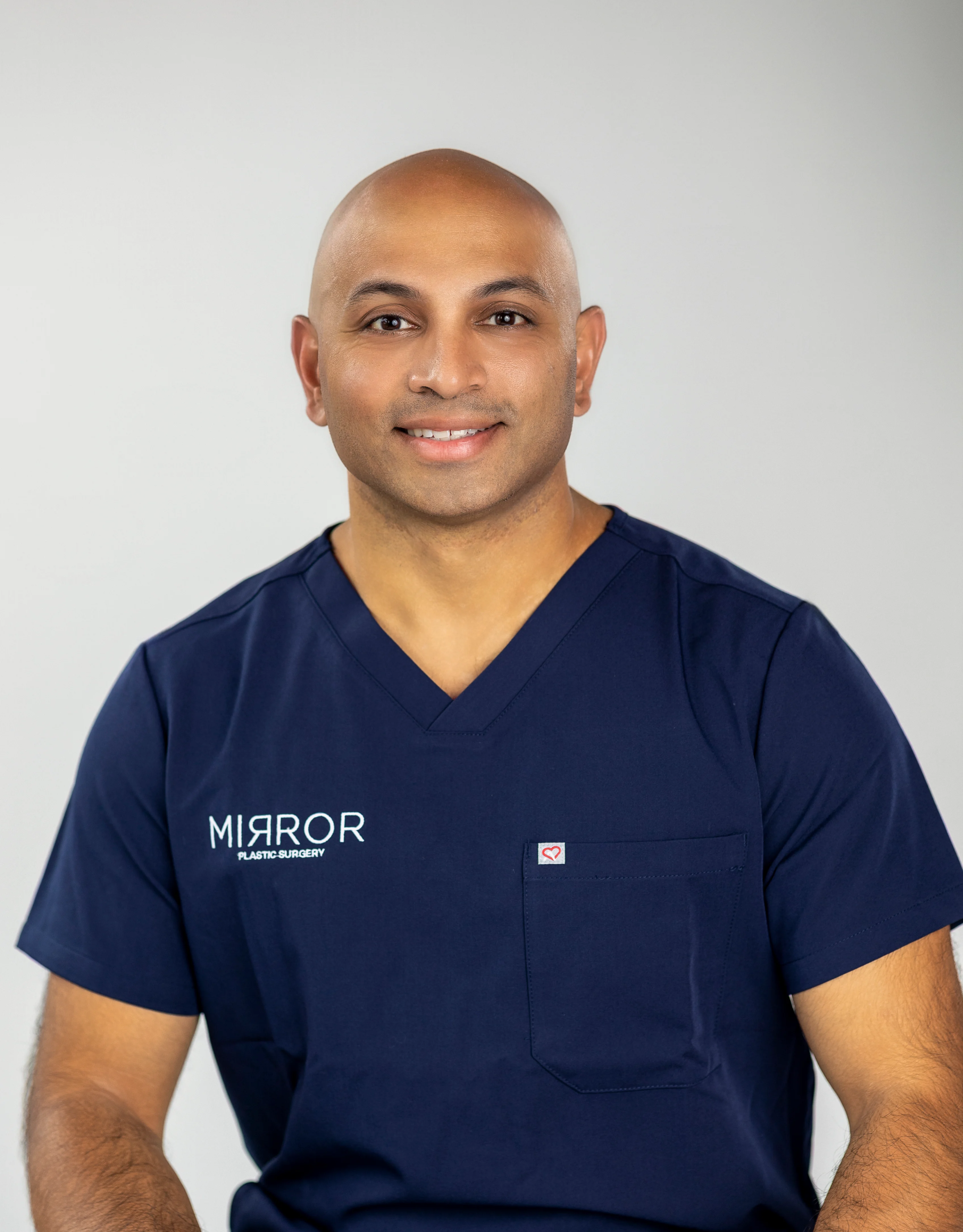
- Exceptional Physician Credentials: Dr. Akash Chandawarkar graduated with Honors from Harvard Medical School through the Harvard-MIT Division of Health Sciences and Technology, completed a seven-year integrated plastic and reconstructive surgery residency at Johns Hopkins, and holds fellowship training in aesthetic surgery plus innovation training at Stanford University’s Biodesign Innovation Fellowship.
- True Concierge Medicine: Consultations last up to an hour, which allows time to understand each patient’s health history, goals, and concerns in depth.
- Medically Supervised Protocols: Every peptide therapy plan is built around the patient’s labs and physiology, with ongoing medical oversight throughout treatment. Physician leadership provides diagnostic authority and clinical accountability that wellness spas and online retailers do not offer.
- Quality Assurance: Peptides come from reputable providers with rigorous batch testing, an essential safety measure because many peptides are not FDA-regulated.
- Comprehensive Lab Analysis: In-depth testing identifies root causes before protocols begin, so recommendations align with each patient’s unique biology.
Conditions addressed through peptide therapy at Mirror Plastic Surgery include:
- Inflammation and autoimmune conditions
- Weight management and metabolic health
- Anti-aging support and collagen production
- Anxiety and energy concerns
- Post-surgical recovery
Request a peptide therapy consultation to discuss your goals and review potential protocols under direct physician supervision.
Frequently Asked Questions About Functional And Peptide Medicine
What Is The Downside Of Functional Medicine?
Functional medicine can be time-consuming and costly, with most practices operating on a self-pay basis outside standard insurance coverage. Results vary significantly between individuals, and provider training differs widely, so patients need to research credentials carefully.1 Many patients spend six to twelve months in a functional medicine program before they can judge its effectiveness, because identifying and correcting root causes takes time. The investment can be substantial, yet patients who find a strong physician-led practice often experience a level of personalized care that conventional medicine rarely provides.
Can A Functional Medicine Doctor Be My Primary Care Physician?
Some functional medicine providers, especially those board-certified in family or internal medicine, offer primary care services alongside functional approaches. Many practices, however, focus on specific concerns such as hormone optimization, gut health, or metabolic dysfunction and do not provide full primary care, including acute illness management, vaccinations, or referrals. Clarify this with any provider before you establish care. Mirror Plastic Surgery focuses on aesthetic and peptide therapies, and patients should maintain a relationship with a primary care physician for comprehensive medical management.
Are Peptides Safe?
When medically supervised and sourced from reputable providers with batch testing, peptides can be safe and effective for wellness and performance goals.1 The primary risks come from unregulated online sources. In those settings, product quality, purity, and dosing are unverified, and no third-party testing confirms what is in the vial. There is also no clinical oversight to screen for contraindications with existing conditions or medications. Professional medical supervision supports appropriate screening, dosing, and monitoring throughout treatment.
Many peptides are not FDA-regulated. The evidence shows that clinicians have used them extensively, with clinical trials spanning more than a decade, yet data on off-label use and very long-term safety remain limited. A board-certified physician is best positioned to weigh these factors against each patient’s health profile.
Will I Lose The Benefits If I Stop Peptide Therapy?
Benefits often fade after stopping peptides, similar to what happens when you end any health regimen.1 If peptides helped manage inflammation or other conditions, symptoms may return to their previous level once the peptide clears from the body.1 Many patients maintain results through a lower-dose maintenance protocol tailored to their response.1 Mirror Plastic Surgery’s concierge model includes ongoing support and protocol adjustments, so patients receive guidance about when to continue, pause, or change therapy.
What Conditions Does Peptide Therapy Address?
Peptide therapy addresses a broader range of conditions than most patients expect. Beyond weight management, peptides address many concerns, including:
- Systemic inflammation and autoimmune conditions
- Post-surgical and injury recovery
- Collagen and elastin production for skin and hair health
- Energy and mitochondrial support
- Anxiety and mood concerns through nootropic mechanisms
- Sexual wellness and fertility support
Mirror Plastic Surgery builds custom peptide stacks based on each patient’s lab results and health goals. Each protocol matches the individual’s biology instead of following a generic, one-size-fits-all template.
Conclusion: Choose A Physician Who Focuses On Root Causes
Finding the right functional medicine provider in Tampa and St. Pete requires more than reading reviews. Patients need to verify credentials, understand each provider’s treatment philosophy, and confirm that a licensed physician directly oversees their care. By following these five steps, you can evaluate any practice and choose one that supports your long-term health.
Mirror Plastic Surgery offers physician leadership, concierge-level attention, and advanced peptide therapies designed to address underlying drivers of chronic conditions. Patients receive personalized, evidence-based protocols with the medical supervision that makes functional and peptide medicine safer and more effective.
Start your physician-led consultation today to explore how peptide therapy at Mirror Plastic Surgery can reshape your approach to health. You can also reach the practice at 727-361-6515, by email at [email protected], or in person at 780 4th Ave S, St. Petersburg, FL 33701.
Disclaimer: Results may vary from person to person. Editorial content, before and after images, and patient testimonials do not constitute a guarantee of specific results.
Disclaimer: Peptide therapy is intended for wellness and optimization purposes and is not prescribed to diagnose, treat, cure, or prevent disease unless specifically stated. Many peptides are not FDA-approved and may be used off-label. Some have limited long-term safety data, with a potential for unknown risks, complications, or desensitization with prolonged use.
1 Results may vary from person to person. Editorial content, before and after images, and patient testimonials do not constitute a guarantee of specific results.
Peptide therapy is intended for wellness and optimization purposes and is not prescribed to diagnose, treat, cure, or prevent disease unless specifically stated. Many peptides are not FDA-approved and may be used off-label. Some have limited long-term safety data, with a potential for unknown risks, complications, or desensitization with prolonged use.