
Written by: Dr. Akash Chandawarkar, Board Certified Plastic Surgeon, Mirror Plastic Surgery | Last updated: September 9, 2026
Key Takeaways
- Medical weight loss programs combine physician supervision, lab testing, personalized medication plans, and ongoing monitoring to address root causes of weight gain.
- GLP-1 medications like semaglutide and tirzepatide can produce 15–21% weight loss, while newer peptide therapies may offer similar benefits with fewer side effects for some patients.1
- Program costs typically range from $3,000–$10,000+ annually, and insurance coverage is inconsistent, so transparent pricing and itemized estimates matter.
- Choosing the right provider involves confirming board-certified physician leadership, lab-based personalization, high-quality medication sourcing, and long-term maintenance support.
For Tampa Bay residents seeking a concierge, physician-led experience, schedule a consultation at Mirror Plastic Surgery to explore personalized peptide protocols tailored to your health profile.
What Is Medical Weight Loss?
Medical weight loss starts with a thorough health assessment. Your physician reviews your medical history, current medications, lifestyle habits, and orders blood work to evaluate thyroid function, insulin resistance, hormone levels, and metabolic markers. Based on this information, your doctor creates a personalized plan that may include FDA-approved medications, newer peptide therapies, nutritional counseling, and regular follow-up visits to track progress and adjust treatment.
Medical supervision is the key difference from DIY approaches. A physician monitors your response, manages side effects, and confirms that treatment remains safe for your health profile. A randomized trial published in JAMA Network Open found that participants in a structured program lost an average of 4.4 kg at 12 months, compared with 1.7 kg in the DIY group1. The structured group also had a higher proportion reach at least 5% weight loss, 42.8% versus 24.7% in the DIY group1. Together, these results show the impact of physician oversight.
Types Of Medical Weight Loss Programs
Not all medical weight loss programs are created equal. Understanding the main categories helps you ask better questions when evaluating local providers. The four primary types differ in mechanism, intensity, and suitability for different health profiles.
GLP-1 Medications
GLP-1 receptor agonists have transformed obesity treatment. FDA-approved options include semaglutide (Wegovy) and tirzepatide (Zepbound), which mimic a natural hormone that regulates appetite and blood sugar. Tirzepatide produced approximately 20.9% mean weight loss at 72 weeks in the SURMOUNT-1 trial, while semaglutide achieved 14.9% in the STEP 1 trial1. These medications are typically administered as weekly injections. Newer oral formulations, including Foundayo (orforglipron), FDA-approved on April 1, 2026, now provide additional options.
Peptide Therapies
Peptides are short chains of amino acids that act as signaling molecules in the body. In weight loss, newer-generation peptides like GLP-3R compounding aim to provide benefits similar to traditional GLP-1s with potentially fewer gastrointestinal side effects and less muscle loss. Other peptides, such as Sermorelin and Ipamorelin, support muscle retention and metabolic health. Because most peptides are not FDA-regulated, physician-led programs with reliable sourcing and testing play a critical role.
Lifestyle And Nutrition Programs
These programs focus on diet, exercise, and behavior change, often with coaching support. Lifestyle modifications alone produce modest weight loss averaging 3–5% of body weight.1 For many patients, that level of change does not sufficiently reduce the risk of weight-related conditions.
Bariatric Surgery
For individuals with severe obesity, surgical options like gastric bypass or sleeve gastrectomy may be appropriate. Real-world data shows approximately 28.3% total weight loss with metabolic and bariatric surgery1. Surgery is invasive and requires lifelong lifestyle changes and follow-up. The best program depends on your health needs, medical history, and goals. That is why a thorough evaluation with a qualified physician is always the first step.
Schedule A Consultation to begin a comprehensive evaluation with Dr. Akash Chandawarkar and learn which approach fits your physiology.
The Role Of GLP-1s And Peptides In Medical Weight Loss
Traditional GLP-1 medications like semaglutide and tirzepatide are highly effective but can cause notable side effects. Gastrointestinal issues are common, with nausea affecting up to 44% of semaglutide users and 31% of tirzepatide users in clinical trials1. Muscle loss is another concern, because significant weight loss often includes a reduction in lean mass.
Newer peptide formulations, such as GLP-3R compounding, aim to address these limitations. Early evidence suggests fewer GI symptoms, reduced muscle loss, and broader metabolic benefits, including improvements in insulin resistance and cardiovascular risk factors. Because these peptides are not FDA-regulated, quality control and medical supervision remain essential.
As of May 2026, the FDA had received more than 990 adverse-event reports for compounded semaglutide and over 730 for compounded tirzepatide. Buying peptides online without supervision exposes you to products without third-party testing, uncertain active ingredients, and no medical monitoring. A physician-led program that sources peptides from reputable providers with batch testing, and designs protocols based on your labs, offers a safer path.
How Much Does Medical Weight Loss Cost?
Medical weight loss represents a significant investment, so understanding typical costs helps you plan ahead. Here is what to expect when comparing programs.
Program Fees
Supervised programs generally range from about $80 to $1,500+ per month depending on intensity and whether GLP-1 medication is included. Structured programs with meal replacements and medical monitoring commonly run $400–$700 monthly. More intensive programs involving GLP-1 medications can exceed $900–$1,500+ per month.
Medication Costs
Brand-name GLP-1 medications without insurance generally cost between $900 and $1,400 per month. The market continues to shift. Foundayo (orforglipron) launched at a self-pay floor of $149 per month, and manufacturer savings programs can reduce costs significantly for eligible patients. Compounded versions usually cost less but introduce additional safety considerations.
Total Annual Investment
Annual out-of-pocket spending for GLP-1-inclusive treatment commonly lands between $3,000 and $10,000+. A Dartmouth analysis estimates GLP-1 obesity treatment costs about $7,000–$10,000 per patient per year after typical insurance rebates.
At Mirror Plastic Surgery, you receive a personalized quote after consultation because your protocol depends on your health needs, lab results, and goals. A low monthly headline price often excludes the most expensive parts of treatment, such as medication, dose changes, laboratory work, and maintenance support. Always compare an itemized twelve-month estimate rather than a promotional monthly rate.
Does Insurance Cover Medical Weight Loss?
Insurance coverage for medical weight loss varies widely between plans. Knowing the basics before you enroll helps you avoid surprises.
- GLP-1 medications: Some commercial plans cover GLP-1s for diabetes, but weight loss indications are frequently excluded. When covered, patients may pay $25–$150 per month. Without coverage, costs often reach $900–$1,400 monthly.
- Peptide therapies: These are typically not covered by insurance, because most peptides are not FDA-regulated.
- Medicare: Coverage is limited. However, a new CMS bridge program offers GLP-1 access at $50 monthly for Medicare Part D beneficiaries starting July 2026 through December 2027.
- Program fees: Most insurance plans do not cover comprehensive medical weight loss program fees.
Before enrolling anywhere, ask four questions: Does my plan cover medical weight management? Does my pharmacy benefit cover the prescribed medication for this indication? Is prior authorization required? What happens after I meet my deductible? Also ask about HSA or FSA eligibility and cash-pay options. Many practices, including Mirror Plastic Surgery, offer clear self-pay protocols.
How To Choose A Medical Weight Loss Program
Choosing a medical weight loss provider affects your health, finances, and long-term results. Use these five questions to evaluate any program.
- Is the program supervised by a board-certified physician? Look for credentials like American Board of Obesity Medicine (ABOM) certification, which requires board certification in another specialty, 60+ hours of obesity-specific continuing education, and a certification exam. At minimum, seek a physician with substantial experience in metabolic health.
- Are treatments personalized based on your labs and health history? Quality programs run comprehensive blood work and design protocols around your specific metabolic profile. Avoid one-size-fits-all plans.
- What is the total cost, and does insurance cover any part? Request an itemized twelve-month estimate, not just a promotional monthly rate. Clarify what is included, such as medication, labs, follow-up visits, and maintenance support.
- What kind of ongoing support and monitoring is provided? Regular follow-up supports safety and success. Ask about check-in frequency, side-effect management, and how to reach your provider between visits.
- How are medications sourced, and are they batch-tested? This question is critical for compounded peptides. Reputable providers work with suppliers that perform rigorous quality testing and can verify purity and accurate dosing.
Positive criteria tell you where to look. Just as important is knowing what to avoid. Red flags include promises of extreme rapid weight loss without medical evidence, pressure to buy expensive supplements, lack of licensed medical staff, vague answers about pricing or treatment methods, prescriptions offered without a real consultation, and no plan for long-term maintenance. If a provider dodges questions about credentials or sourcing, treat that as a signal to move on.
What To Expect: Timeline, Side Effects, And Maintenance
Knowing the typical journey helps you set realistic expectations before starting a program.
Timeline: Your first visit usually includes a comprehensive consultation and lab work. Once your physician reviews the results, treatment typically begins within days. Many patients notice appetite changes within the first week. Meaningful weight loss often appears over 4–12 weeks. Most programs expect patients to reach their goal weight over 6–18 months, depending on individual factors.
Side Effects: Gastrointestinal symptoms, including nausea, vomiting, diarrhea, and constipation, are the most common side effects of GLP-1 medications. These effects are usually mild to moderate and often diminish over time. Your physician can adjust dosing, recommend dietary changes, or switch medications to manage side effects. Serious complications are uncommon but require medical oversight to identify and address quickly.
Maintenance: Long-term maintenance determines whether your results last. weight regain after stopping GLP-1 therapy is well-documented, with the STEP 4 trial showing patients who switched to placebo regained 6.9% of body weight.1 The ADA’s 2026 Standards of Care note that one-half to two-thirds of lost weight typically returns within a year of stopping GLP-1 therapy1. A quality program plans for maintenance from day one, whether through continued medication at a lower dose, ongoing lifestyle support, or periodic monitoring to catch regain early.
Local Options In Tampa Bay: What To Look For
For Tampa Bay residents searching “medical weight loss programs near me,” local access and continuity of care matter. You benefit from a provider who is available for in-person visits, understands your community, and offers ongoing support, rather than a distant telehealth platform or a high-volume clinic.
When evaluating a St. Petersburg weight loss clinic, look for the following qualities.
- Board-certified physician leadership with genuine expertise in metabolic health
- Comprehensive initial evaluation, including lab testing
- Personalized protocols rather than standardized programs
- Transparent communication and honest conversations about what you need
- Ongoing support and accessibility between visits
- Quality sourcing for any compounded medications, with batch testing
Mirror Plastic Surgery is one local practice that meets these criteria. Led by Dr. Akash Chandawarkar, a Harvard-educated, Johns Hopkins-trained plastic surgeon with specialized fellowship training in aesthetic surgery and a Biodesign Innovation Fellowship at Stanford, the practice follows a concierge philosophy that emphasizes safety, personalization, and long-term relationships over volume.
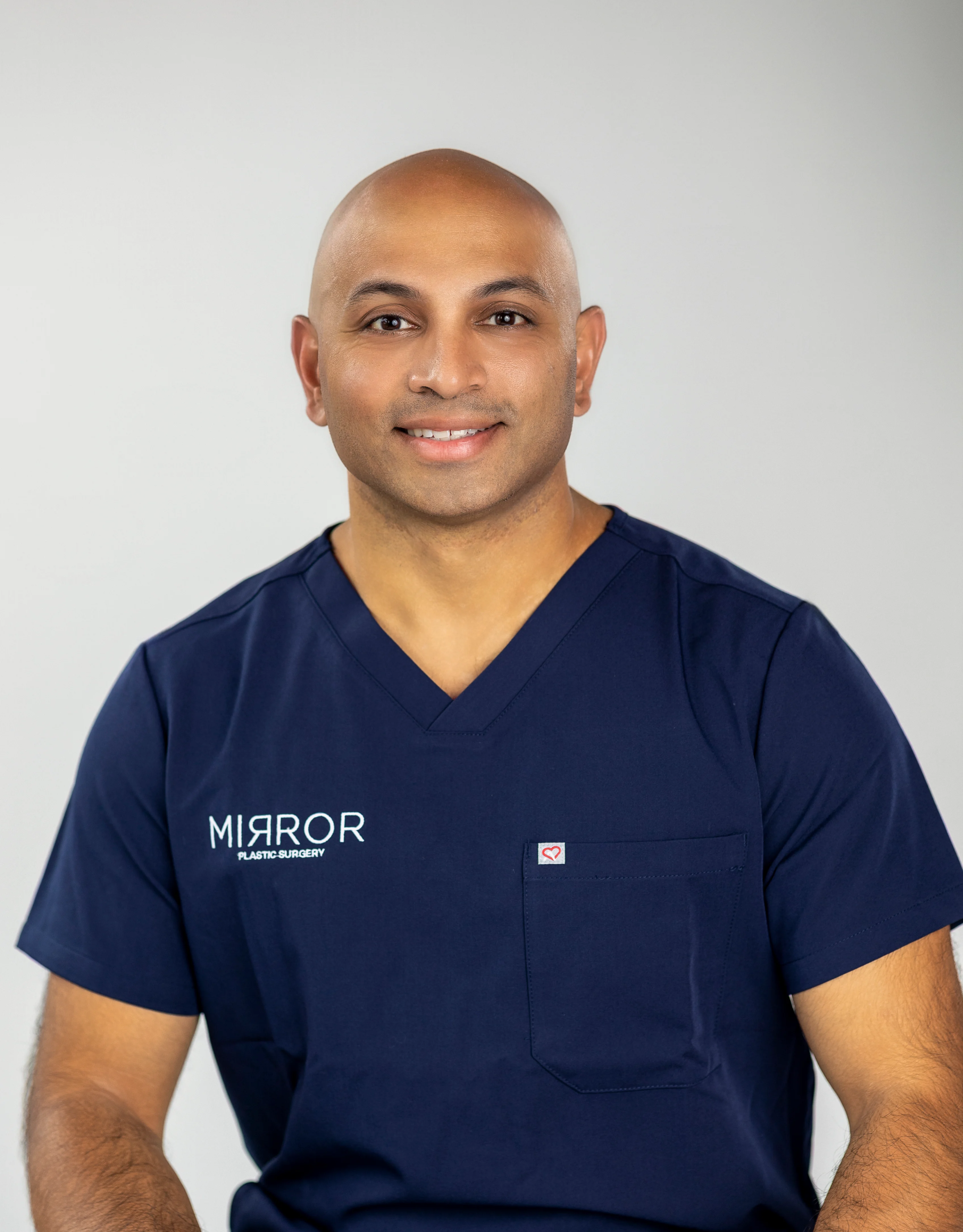
Your initial consultation can last up to an hour. Dr. Chandawarkar reviews your complete medical history, orders comprehensive lab panels covering thyroid, liver, kidney, diabetes markers, and hormone profiles, and designs a peptide protocol tailored to your physiology. The practice sources peptides from reputable providers with rigorous batch testing. You also have direct 24/7 access to Dr. Chandawarkar via text for questions, concerns, and adjustments. This physician-led, concierge model offers a more personalized alternative to online retailers selling unregulated peptides or high-volume clinics focused on throughput.
Mirror Plastic Surgery supports a wide range of health and wellness concerns, from inflammation and autoimmune conditions to weight management and anti-aging. Book Your Peptide Consultation to explore how tailored protocols can help you reach your goals.
Frequently Asked Questions
What Is The Difference Between GLP-1 Medications And Peptide Therapies?
GLP-1 medications like semaglutide (Wegovy) and tirzepatide (Zepbound) are FDA-approved drugs that mimic the GLP-1 hormone to regulate appetite and blood sugar. Peptide therapies form a broader category of amino acid chains that can target various bodily functions. In weight management, newer peptides like GLP-3R compounding use mechanisms similar to traditional GLP-1s and are designed to potentially reduce gastrointestinal side effects and muscle loss. Because most peptides are not FDA-regulated, physician supervision and quality sourcing remain essential.
Are Peptides FDA-Approved?
Most peptides are not FDA-regulated, even though clinicians worldwide have used them for more than a decade. The main risk comes from obtaining them through unregulated sources without medical oversight. At Mirror Plastic Surgery, peptides come from reputable providers with rigorous batch testing, and every protocol is medically supervised by Dr. Chandawarkar based on your labs and health history.
How Long Do I Need To Stay On A Medical Weight Loss Program?
Most patients remain on treatment for 6–18 months to reach their goal weight, followed by a maintenance phase. As noted earlier, weight regain is common after stopping GLP-1 or peptide therapy, so planning for long-term maintenance is critical. A quality program addresses this from the outset, whether through continued medication at lower doses, lifestyle support, or periodic monitoring to catch regain early.
Can Medical Weight Loss Help With Conditions Like Diabetes Or High Cholesterol?
Medical weight loss can support broader metabolic health. GLP-1 medications have demonstrated significant cardiometabolic benefits beyond weight loss. The SELECT trial showed semaglutide reduces major adverse cardiovascular events by 20% in patients with obesity and established cardiovascular disease1. Tirzepatide has also shown favorable effects on cardioprotective outcomes. Many patients see improvements in HbA1c, blood pressure, and lipid panels. Some Mirror Plastic Surgery clients have successfully managed genetic hypercholesterolemia with physician-supervised peptide protocols.
How Do I Know If I Am A Candidate For Medical Weight Loss?
Medical weight loss is appropriate for adults with a BMI of 30 or higher, or a BMI of 27 or higher with at least one weight-related condition such as hypertension, type 2 diabetes, or high cholesterol. It also suits people who have struggled with weight despite diet and exercise, or who have metabolic issues like insulin resistance or PCOS. A comprehensive evaluation with blood work determines whether medical intervention fits your health profile. Medical weight loss can also help those with stubborn weight, metabolic issues, or persistent plateaus, not only those with severe obesity.
Making Your Decision
Medical weight loss deserves the same careful consideration as any other major healthcare choice. The right program combines physician supervision, personalized protocols based on comprehensive lab testing, clear communication, and ongoing support for both active weight loss and long-term maintenance.
As you evaluate “medical weight loss programs near me,” focus on board-certified medical leadership, personalization over standardization, high-quality medication sourcing, and a provider who remains accessible when you need them. Steer away from programs that rush consultations, sell unregulated supplements, or cannot clearly explain protocols and sourcing.
For Tampa Bay residents seeking a differentiated, concierge approach, Mirror Plastic Surgery offers physician-led peptide therapy designed around your labs, health history, and goals. Dr. Chandawarkar emphasizes education, honesty, and personalized care so you understand what you are taking, why you are taking it, and whether it truly suits you.
Start Your Consultation With Ellie to begin your journey with a physician who prioritizes long-term health over short-term results.
This article is for educational purposes and does not replace medical advice. Results vary. Peptide therapies are not FDA-regulated. Always consult a qualified physician.
1 Results may vary from person to person. Editorial content, before and after images, and patient testimonials do not constitute a guarantee of specific results.
Peptide therapy is intended for wellness and optimization purposes and is not prescribed to diagnose, treat, cure, or prevent disease unless specifically stated. Many peptides are not FDA-approved and may be used off-label. Some have limited long-term safety data, with a potential for unknown risks, complications, or desensitization with prolonged use.