
Written by: Dr. Akash Chandawarkar, Board Certified Plastic Surgeon, Mirror Plastic Surgery | Last updated: September 9, 2026
Key Takeaways
- NAD+ therapy reliably raises blood NAD+ levels, but broad anti-aging efficacy in humans remains inconclusive according to 2026 systematic reviews.1
- Medical supervision is the critical differentiator for safety and efficacy, including comprehensive lab testing, personalized dosing, and ongoing monitoring.
- Current evidence on injectable NAD+ is preliminary and insufficient to support routine clinical use, with no eligible RCTs evaluating IV or IM NAD+ for anti-aging indications.
- Quality-controlled sourcing from licensed compounding pharmacies and screening for contraindications are essential to reduce risks such as contamination and adverse reactions.
- Patients seeking medically supervised NAD+ therapy can explore their options with Mirror Plastic Surgery by booking a consultation.
NAD+ Vs. Peptides: How These Treatments Differ
NAD+ and peptides belong to different categories of molecules and work through distinct mechanisms. Evidence for one does not automatically apply to the other.
NAD+ is a dinucleotide coenzyme, not a peptide, and serves as a redox cofactor in the electron transport chain and a consumed cosubstrate of sirtuins and PARP enzymes involved in DNA repair. Peptides are short chains of amino acids that act as signaling molecules and direct cells to perform specific functions. GHK-Cu, for example, stimulates collagen and elastin production. BPC-157 targets systemic inflammation and tissue repair. TB-500 supports soft tissue wound healing.
The term “NAD peptide therapy” is a marketing phrase that blends these categories. In clinical practice, NAD+ and peptides function as separate treatments that a physician may combine in a personalized protocol. Each one still requires its own evidence base and safety review. At Mirror Plastic Surgery, NAD+ is offered alongside peptide stacks such as the Glow Stack (GHK-Cu, BPC-157, TB-500). Each component is assessed individually based on a patient’s labs, health history, and goals.
The Science Behind NAD+ Benefits: What The Research Shows
Cellular Energy And ATP Production
NAD+ plays a central role in the mitochondrial electron transport chain and cellular energy production. A 2026 network meta-analysis by Gao et al. in Frontiers in Nutrition, which synthesized 27 studies (n=1,599), found that no NAD+ precursor significantly improved perceived fatigue compared with placebo across 16 studies. The same analysis reported dose-dependent improvements in endurance-related aerobic performance with NMN.1 This signal appears meaningful for objective endurance measures, yet it does not match the subjective “energy boost” many consumers expect.
DNA Repair And Cellular Aging
NAD+ serves as a substrate for sirtuins and PARPs, enzymes that support DNA repair and cellular stress responses. Systematic reviews conclude that NAD+ precursors reliably raise blood NAD+ levels, demonstrating clear biochemical target engagement, while evidence for meaningful anti-aging benefits in humans remains inconclusive.
Cognitive Support
NAD+ supports high-energy brain cells, and some precursor forms show early promise in specific groups. The NADPARK trial (Brakedal et al., 2022, Cell Metabolism) found that nicotinamide riboside enhanced cerebral NAD+ in Parkinson’s disease patients, although the trial did not test disease modification. A 2026 trial led by Christopher Martens at the University of Delaware showed that NR increased blood NAD+ in older adults with mild cognitive impairment but did not significantly improve cognitive function, cardiovascular function, or whole-brain blood flow. Early human trials indicate that NADH produced the strongest cognitive improvement (SMD=1.50, 95% CI 0.82–2.19), particularly in cognitively impaired cohorts, though this result was sensitive to influential studies.1
Metabolic Health
Yoshino et al. (2021, Science) reported that NMN improved muscle insulin sensitivity by 25% in prediabetic postmenopausal women.1 Other research groups, including Remie, Pencina, and Dollerup, did not replicate this result. A meta-analysis of eight randomized controlled trials found no effect on fasting glucose, insulin, HbA1c, or HOMA-IR across the included studies. Together, these findings suggest that metabolic benefits remain inconsistent and likely depend on specific populations and contexts.
What The Research Actually Shows: Evidence Vs. Hype
Current evidence for injectable NAD+ remains especially limited. No eligible randomized controlled trials have evaluated intravenous or intramuscular NAD+ itself for anti-aging or wellness indications. A 2026 review in Frontiers in Aging concluded that evidence on IV NAD+ therapy is preliminary and insufficient to support routine clinical or wellness use, and that robust conclusions about efficacy, optimal dosing, and long-term safety cannot yet be made.
One recent study also questions a core assumption about NAD+ decline with age. A 2026 study by Trętowicz et al. in Nature Metabolism measured NAD+ blood levels in 300 people aged 19–87, including elite athletes and frail older adults, and found that NAD+ levels were remarkably stable with age, with no significant differences between younger and older adults and no effect of exercise or nutrition intervention.
This evidence-first perspective guides Mirror Plastic Surgery’s approach. Patients receive clear explanations of what the data supports, rather than sales-driven promises.
Why Medical Supervision Matters For NAD+ Therapy
Physician-led supervision turns NAD+ therapy from a generic drip into a structured medical protocol. A responsible program follows clear steps.
- Comprehensive Consultation: A detailed review of medical history, current medications, and health goals, typically 30–60 minutes with Dr. Akash Chandawarkar at Mirror Plastic Surgery.
- Lab Testing: Baseline bloodwork, including thyroid, liver, kidney, hormone panels, and metabolic markers, to identify underlying issues and contraindications before treatment begins.
- Personalized Dosing: Protocols tailored to individual physiology, lab results, and goals, rather than one-size-fits-all drips.
- Quality-Controlled Sourcing: Products sourced from reputable licensed compounding pharmacies with batch testing for purity, potency, and sterility. Quality control for compounded products should include sterility testing (USP 71), bacterial endotoxin testing (USP 85), potency verification via HPLC, identity testing via mass spectrometry, and purity analysis.
- Ongoing Monitoring: Regular follow-up to assess response, adjust dosing, and catch adverse effects early. At Mirror Plastic Surgery, patients have direct access to Dr. Akash via text for support throughout their protocol.
The FDA Warning Context
On October 21, 2025, the FDA issued a Class I recall, the most serious classification indicating possible serious harm or death, of GenoGenix LLC NAD+ for Injection due to elevated endotoxin levels. Endotoxin contamination can trigger severe inflammatory reactions including fever, dangerously low blood pressure, and sepsis. The FDA also warned that food-grade NAD+ used by repackagers is not suitable for sterile injection because of a high risk of microbial and endotoxin contamination.
503A compounding pharmacies are regulated primarily by state pharmacy boards, while 503B outsourcing facilities fall under FDA oversight and must comply with Current Good Manufacturing Practice (CGMP) standards. Knowing which type of pharmacy a provider uses, and whether they can provide Certificates of Analysis, remains essential for safety.
Buying NAD+ online without medical oversight layers multiple risks, including unknown purity, incorrect dosing, lack of screening for contraindications, and no monitoring for adverse reactions.
Potential Side Effects And Risks: What To Expect
Contraindications that a supervising physician screens for include:
- Pregnancy or breastfeeding (safety not established)
- Active cancer or history of cancer (theoretical risk of fueling tumor metabolism, as NAD+ metabolism can support tumor growth in some cancer contexts)
- Advanced or severe liver disease
- Unstable cardiovascular disease
- Known hypersensitivity to NAD+ or formulation ingredients
Medical supervision helps manage these risks through careful screening, personalized dosing, and active monitoring throughout the protocol.
How To Choose A Medically Supervised NAD+ Provider
Choosing the right provider protects your safety and investment. Targeted questions reveal whether a practice follows medical standards.
- What lab tests do you run before starting treatment?
- Where do you source your NAD+? Are you using a licensed 503A or 503B compounding pharmacy?
- How do you personalize dosing for my specific health profile and lab results?
- How do you monitor progress and adjust protocols over time?
- What happens if I experience side effects?
Several red flags suggest a provider operates below an acceptable standard of care.
- No lab work or medical history review before treatment
- Vague, one-size-fits-all protocols with no individualization
- No follow-up or ongoing monitoring after the initial session
- Inability or unwillingness to disclose product sourcing or pharmacy credentials
- Promises of guaranteed or instant results
NAD+ Vs. Oral Precursors (NMN/NR)
Oral precursors such as NMN and NR have more human trial data than injectable NAD+ and are legally sold as dietary supplements. No head-to-head trial has shown that NAD+ injections or IV infusions produce better clinical outcomes than oral precursors like NMN or NR. The bioavailability difference is real, but a clear benefit difference has not been proven. When infused intravenously, enzymes on cell surfaces rapidly break NAD+ down into metabolites, primarily nicotinamide and ADP-ribose, which then regenerate NAD+ through the same pathway used by oral precursors. This pattern suggests no pharmacokinetic advantage of IV infusions over oral supplements. Some patients still prefer injectable NAD+ for perceived potency or faster onset. Medical supervision ensures they understand the evidence and risks before proceeding.
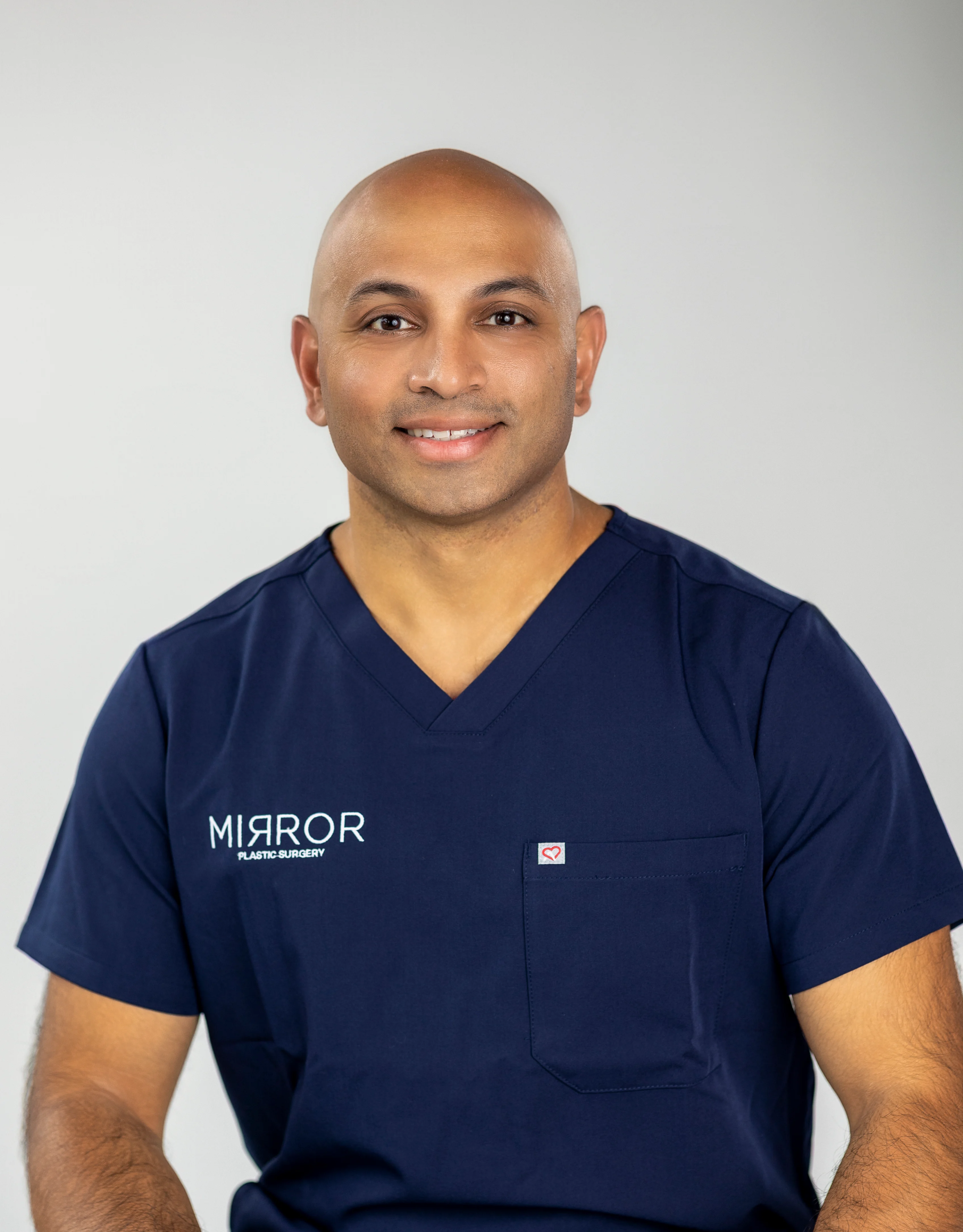
Meet Dr. Akash Chandawarkar
Dr. Akash Chandawarkar, MD, is the founder of Mirror Plastic Surgery and the lead physician for all peptide and NAD+ therapy protocols at the practice. He graduated with Honors from Harvard Medical School through the Harvard-MIT Division of Health Sciences and Technology. He completed a seven-year integrated plastic and reconstructive surgery residency at Johns Hopkins University and paused his residency to complete the Stanford University Biodesign Innovation Fellowship, a program that trains physician-innovators to identify unmet clinical needs and develop evidence-based solutions. Every NAD+ protocol at Mirror Plastic Surgery is designed around each patient’s labs and physiology and remains medically supervised throughout treatment.
Frequently Asked Questions
Is NAD+ Really Worth Taking?
The evidence remains promising yet incomplete for many marketed benefits. As noted earlier, NAD+ precursors reliably raise blood NAD+ levels, which is the most consistent finding across the literature. The strongest clinical signals involve dose-dependent improvements in endurance performance with NMN and cognitive performance with NADH in cognitively impaired populations. For healthy adults seeking subjective energy improvement, the evidence remains weak. A 2026 systematic review concluded that NAD+ augmentation shows clear biological activity, while broad anti-aging efficacy remains unproven. A medically supervised approach helps align any protocol with your specific health needs, baseline labs, and realistic goals.
What Is The Downside Of NAD+?
The main downsides include limited human evidence for injectable NAD+ specifically, potential side effects such as nausea, flushing, and infusion-related discomfort that can reach moderate to severe intensity, and cost without guaranteed results. Contaminated or improperly dosed products from unregulated sources add further risk. As discussed earlier, the FDA has issued a Class I recall on compounded NAD+ due to endotoxin contamination. Medical supervision reduces these risks through quality sourcing from licensed compounding pharmacies, comprehensive pre-treatment screening, and active monitoring throughout the protocol.
How Long Before I See Results?
Response timelines vary by individual and goal. Some patients report feeling effects during or shortly after infusion, although these reports are largely anecdotal.1 Clinical trials of oral precursors typically run 6–12 weeks, with some studies showing improvements in endurance or metabolic markers within that period.1 NMN’s endurance benefits appear dose-dependent, with medium and high doses showing the most consistent signal.1 Your provider should set expectations based on your goals, health profile, and baseline labs. At Mirror Plastic Surgery, Dr. Akash Chandawarkar reviews your progress at regular intervals and adjusts your protocol based on how your body responds.
Can NAD+ Therapy Be Done Remotely?
Mirror Plastic Surgery offers the full consultation, prescription, and protocol process both in person at the St. Petersburg, Florida practice and remotely across the United States, including Hawaii and Alaska. Telemedicine consultations with Dr. Akash allow patients nationwide to access the same physician-led, lab-informed, concierge-level care available locally in the Tampa Bay area.
How Does Mirror Plastic Surgery’s NAD+ Program Differ From A Wellness Clinic?
Physician oversight at every stage defines Mirror Plastic Surgery’s NAD+ program. Protocols are led by Dr. Akash Chandawarkar, a board-certified plastic surgeon with training at Harvard, Johns Hopkins, and Stanford. Care does not rely on unsupervised wellness coordinators. Every protocol begins with a comprehensive consultation and lab review, is personalized to your physiology, uses products from reputable licensed compounding pharmacies with batch testing, and includes ongoing monitoring with direct access to Dr. Akash via text. This standard of care makes NAD+ therapy safer and more likely to deliver meaningful results.
Conclusion: Moving Forward With NAD+ Therapy
NAD+ therapy remains biologically compelling, yet the clinical evidence, especially for injectable NAD+, is still developing. As noted earlier, raising blood NAD+ levels is consistent, while translation into broad anti-aging outcomes is mixed and often absent for heavily marketed claims.
High-quality medical supervision stands out as the most reliable safeguard. Comprehensive lab testing, personalized dosing, quality-controlled sourcing from licensed compounding pharmacies, and ongoing monitoring turn an experimental compound into a carefully managed treatment. Without those elements, NAD+ therapy carries real risks, including contamination, incorrect dosing, and missed contraindications, and offers no safety net to catch problems early.
Mirror Plastic Surgery provides board-certified physician oversight, concierge-level care, and protocols grounded in your labs and physiology, with remote access across the United States. Dr. Akash Chandawarkar focuses on education, transparency, and long-term outcomes rather than one-size-fits-all drips or overpromised results.
Disclaimers
This article is for informational purposes only and does not constitute medical advice. Always consult with a qualified healthcare provider before starting any new treatment. Results vary from person to person. NAD+ therapies may have limited long-term safety and efficacy data. NAD+ is not FDA-approved for the treatment of any condition, and compounded NAD+ products are not evaluated by the FDA for safety or effectiveness prior to use.
1 Results may vary from person to person. Editorial content, before and after images, and patient testimonials do not constitute a guarantee of specific results.
Peptide therapy is intended for wellness and optimization purposes and is not prescribed to diagnose, treat, cure, or prevent disease unless specifically stated. Many peptides are not FDA-approved and may be used off-label. Some have limited long-term safety data, with a potential for unknown risks, complications, or desensitization with prolonged use.